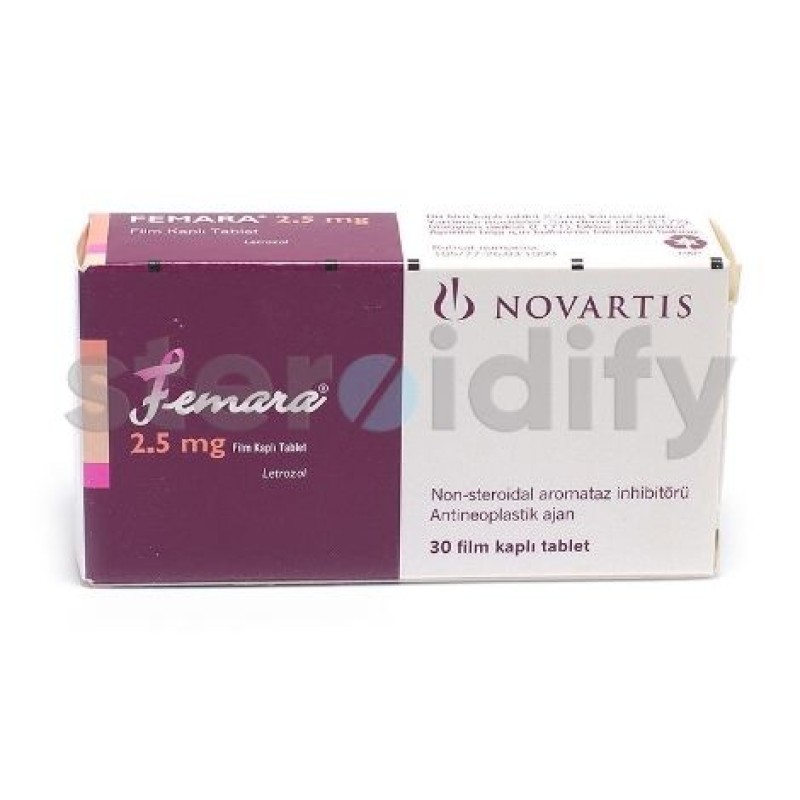
Define Femara Novartis and Explain Its General Purpose
Femara Novartis, known generically as letrozole, is an aromatase inhibitor primarily used in the management of hormone receptor-positive breast cancer in postmenopausal women. It functions by inhibiting the aromatase enzyme, which plays a crucial role in the conversion of androgens to estrogens. By lowering estrogen levels in the body, Femara effectively slows down or stops the growth of certain types of breast tumors that require estrogen for growth. Its approval by the U.S. Food and Drug Administration (FDA) has made it a cornerstone therapy in the treatment of breast cancer, notably as adjuvant therapy following surgery, and for metastatic disease. As a reputable pharmaceutical agent from Novartis, Femara is a trusted option for many oncologists and breast cancer patients alike.
Describe How Femara Novartis Fits into Broader Treatment Strategies or Usage Approaches
Femara Novartis is often integrated into comprehensive treatment plans for breast cancer that encompass surgery, chemotherapy, and radiation. Its role is particularly significant in the context of hormonal therapy, where it is used alone or in combination with other treatments to optimize outcomes for patients. In many cases, doctors will prescribe Femara after surgery, particularly when the cancer is hormone receptor-positive. This means the cancer cells grow in response to estrogen, making them sensitive to hormonal therapies like letrozole.
In a neoadjuvant setting, Femara can sometimes be used before surgery to shrink tumors, making them easier to remove. Alternatively, in cases of metastatic breast cancer, Femara serves as a treatment to manage disease progression and extend survival. This makes it a vital component of personalized therapy strategies that consider the hormonal profiles of the cancer, as well as the patient's overall health status and treatment goals. Additionally, ongoing clinical trials continue exploring the efficacy of Femara in various settings and combinations with other agents, enhancing its versatility in the oncological landscape.
Explain the Advantages Users Typically Expect from This Preparation
Patients and healthcare professionals often cite several key advantages when considering Femara Novartis as part of breast cancer management:
- Effective tumor control: Femara is known for its ability to inhibit estrogen production, thereby reducing tumor size and inhibiting cancer progression.
- Improved survival rates: Studies have shown that use of Femara can lead to better overall survival rates in women with early-stage hormone receptor-positive breast cancer.
- Favorable side effect profile: While all medications carry potential side effects, Femara is generally well-tolerated and has fewer serious side effects compared to some other treatments, such as traditional chemotherapy.
- Convenient administration: Femara is taken orally, allowing for ease of use that can enhance patient adherence to the treatment regimen.
- Long-term efficacy: Femara has been shown to maintain its effectiveness over prolonged periods, making it suitable for long-term hormonal therapy.
Discuss Risks, Precautions, and Contraindications for Use of This Preparation
While Femara Novartis is highly regarded in breast cancer treatment, it is not without risks and contraindications. Patients should be made aware of potential side effects, which may include hot flashes, joint pain, fatigue, and an increased risk of osteoporosis due to decreased estrogen levels. Serious side effects, though less common, could involve cardiovascular issues or liver dysfunction. It is crucial to monitor bone density during treatment as the risk of fractures may increase.
Precautions should also be taken in patients with a history of allergic reactions to letrozole or any other components in the formulation. Additionally, since Femara is only approved for use in postmenopausal women, it is contraindicated in premenopausal women or those who are pregnant or breastfeeding. Therefore, thorough discussions regarding a patient’s medical history and current health status are essential before starting Femara. Collaborating with an oncologist ensures that any treatment decisions made prioritize patient safety and are tailored to individual health needs.
Conclude with Guidance on How Users Should Approach Understanding and Using Femara Novartis Responsibly
Understanding Femara Novartis is foundational for patients navigating their breast cancer treatment options. Patients should take an active role in their healthcare decisions, engaging in open discussions with their oncologists about the benefits and potential side effects of Femara. They are encouraged to ask questions and express any concerns, ensuring that they comprehend the role of this medication in their treatment plan fully.
Moreover, adherence to the prescribed regimen is crucial to maximize the benefits of Femara. Patients should be vigilant about attending follow-up appointments and routine screenings, which help monitor treatment effectiveness and side effects. Keeping an open line of communication with healthcare providers about any unusual symptoms or concerns is essential for proper management.
Ultimately, Femara Novartis represents a significant advancement in hormone-sensitive breast cancer treatment, providing a targeted approach that can lead to improved outcomes for many women. By understanding its role, benefits, and the importance of responsible use, patients can feel empowered in their treatment journey.