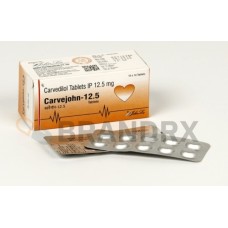
Understanding Carvedilol and Its Purpose
Carvedilol is a medication primarily used to manage conditions such as hypertension and heart failure. Patients who are prescribed Carvedilol often have specific health goals in mind, such as reducing their blood pressure, improving heart function, or minimizing the risk of heart-related complications. Many users may misunderstand how Carvedilol works within the body. Some might believe that it serves as a quick fix for their symptoms, while in reality, it functions more as a long-term management tool that requires consistent use.
Moreover, users may expect immediate results in terms of lowered blood pressure or improved heart performance, overlooking that these benefits accumulate over time with regular intake. There's also a common misconception that all medications are the same, leading individuals to compare Carvedilol with other blood pressure medications without recognizing that each drug has unique mechanisms, side effects, and interactions. This category page aims to clarify such misunderstandings and provide comprehensive information for those considering or currently using Carvedilol.
Mechanics of Carvedilol in the Body
To fully appreciate how Carvedilol functions, it is important to understand its mechanics within the cardiovascular system. Carvedilol is classified as a non-selective beta-blocker and alpha-1 blocker. This dual action plays a critical role in how it lowers blood pressure and alleviates the workload on the heart. The medication helps relax blood vessels and reduce heart rate, which in turn helps to decrease the overall workload on the heart muscle.
Key parameters that influence the effectiveness of Carvedilol include dosage, patient adherence to the prescribed regimen, and individual health profiles. Dosage must be determined by healthcare professionals, taking into account factors such as the severity of the condition, existing medications, and the patient's overall health status. Additionally, consistent use is vital; missing doses can lead to destabilized conditions, while abrupt cessation may result in rebound hypertension. Recognizing these parameters can guide patients toward achieving their health goals more effectively.
Carvedilol Compared to Other Heart Medications
When examining Carvedilol alongside other types of heart medications, it becomes evident that principles of efficacy, mechanism of action, and overall treatment goals can vary significantly. For instance, while diuretics primarily focus on reducing fluid retention, leading to decreased blood pressure, Carvedilol tackles the issue through a combination of heart rate reduction and vasodilation. Similarly, ACE inhibitors work through a different biochemical pathway that reduces blood pressure but does not address heart rate.
This comparison illustrates the importance of understanding how various categories of medications serve distinct yet complementary roles in managing cardiovascular health. Patients wary of side effects or inconsistent drug efficacy should engage in discussions with their healthcare providers to better grasp how Carvedilol may fit within their personal treatment plan in relation to other medications they may be taking.
Considerations Before Using Carvedilol
Before starting Carvedilol, it is crucial for patients to be aware of various limitations and contraindications associated with its use. For instance, individuals with asthma or certain chronic obstructive pulmonary diseases may be at risk due to Carvedilol's non-selective beta-blocking properties that can lead to bronchospasm. Additionally, those with certain types of heart arrhythmias may find that this medication exacerbates their condition rather than alleviating it.
It is essential for anyone considering this medication to consult a healthcare professional to discuss their health history, current medications, and potential risks. This consultation ensures that patients receive personalized advice tailored to their unique health circumstances. Understanding these limitations can help prevent adverse reactions and contribute to a safer, more effective treatment experience.
Exploring Carvedilol and Additional Resources
Navigating the category of Carvedilol can be greatly enhanced by utilizing the resources available on this page. Visitors are encouraged to explore various sections to uncover detailed information on the medication's mechanisms, potential side effects, and patient experiences. Educational articles, FAQs, and expert advice can provide a well-rounded view of Carvedilol, assisting users in making informed choices about their cardiovascular health.
Users may also benefit from accessing community forums or support groups where they can share experiences, gather insights from fellow patients, and stay updated on the latest findings related to Carvedilol and cardiovascular treatment. Additionally, patients are urged to maintain open lines of communication with their healthcare providers, as this can facilitate a clearer understanding of when and how to use Carvedilol effectively and safely.