
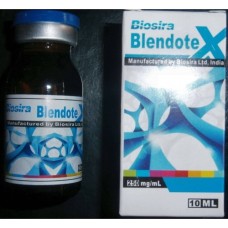
Bendamustine: An Overview and Purpose
Bendamustine is a chemotherapy medication primarily used in the treatment of certain types of cancers, notably chronic lymphocytic leukemia (CLL) and non-Hodgkin lymphoma (NHL). As a unique cytotoxic agent, it combines characteristics of both alkylating agents and antimetabolites, allowing it to effectively impact cancer cell growth and multiplication. By introducing bends in the pharmacological approach to traditional cancer therapies, Bendamustine has been positioned as a vital option in oncology, benefiting patients who may not respond adequately to other treatment schemes. Its approval by regulatory authorities underscores its relevance in contemporary cancer treatment protocols, thereby enhancing options available to oncologists and hematologists in managing malignancies.
Typical Users and Contexts
The primary users of Bendamustine are oncology patients diagnosed with specific hematological malignancies, particularly those at various stages of chronic lymphocytic leukemia and certain types of non-Hodgkin lymphoma. This treatment is often utilized in clinical settings under the supervision of healthcare professionals specializing in cancer therapies, including oncologists and infusion nurses. Bendamustine is typically administered in outpatient settings, allowing patients to receive therapy without the need for extended hospital stays. Additionally, it may also be part of combination therapy regimens, providing a synergistic effect in conjunction with other anticancer drugs, which is a common practice to enhance therapeutic outcomes. The typical context for its application involves individuals who have either shown resistance to prior treatments or are being treated in a first-line setting for their respective cancers.
The Strengths and Distinguishing Characteristics of Bendamustine
Bendamustine possesses several strengths that differentiate it from other chemotherapy agents. Firstly, its dual action mechanism allows it to effectively target cancer cells in more than one way, providing a broader attack profile than traditional chemotherapy. Secondly, Bendamustine has a relatively favorable side effect profile when compared to some other alkylating agents, which can often come with more severe toxicities. This unique combination enables it to be well-tolerated and allows for sustained efficacy throughout the treatment cycle, helping improve patient adherence. Further, clinical trials have demonstrated Bendamustine’s effectiveness in various treatment lines, emphasizing its flexibility and adaptability in clinical usage. Lastly, it has shown promising results in patients who have previously undergone treatment, providing a viable option for those with relapsed or refractory cancers.
Bendamustine Benefits
Bendamustine offers a range of benefits that make it a valuable option in cancer therapy. The following is a summary of key advantages:
- Effective treatment for specific hematological cancers, helping to reduce tumor burden.
- Dual mechanism of action, providing unique pharmacological benefits not seen in traditional therapies.
- Better tolerated by most patients compared to other alkylating agents, reducing the incidence of severe side effects.
- Can be administered in outpatient settings, promoting convenient treatment schedules.
- Compatibility with other chemotherapy agents, allowing for combination therapies that enhance treatment efficacy.
Important Considerations Before Choosing Bendamustine
When considering Bendamustine as a treatment option, it is crucial to evaluate several key factors. Firstly, a thorough medical history will help identify potential contraindications, including allergic reactions to the drug or its components, existing bone marrow suppression, or active infections. Patients should also be evaluated for liver function, as compromised hepatic function can affect Bendamustine metabolism and clearance. Comprehensive discussions with healthcare providers about pre-existing conditions, concomitant medications, and potential interactions are essential to ensure safe administration. Moreover, patients should be informed about the possible side effects, which can include nausea, fatigue, risk of infection, and effects on blood counts. Overall, ensuring that Bendamustine is an appropriate choice for the individual patient involves careful consideration of their unique health status and treatment goals.