
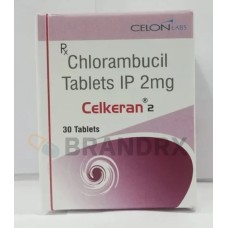
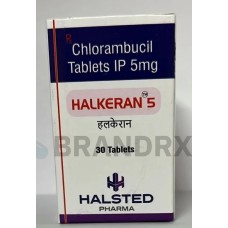

Understanding Chlorambucil and Its Uses
Chlorambucil is an important medication primarily used for treating certain types of cancer, especially chronic lymphocytic leukemia and various lymphomas. Many individuals seeking information about Chlorambucil may be looking for treatment options for themselves or loved ones. Common goals include understanding how the medication works, determining its effectiveness, and learning about potential side effects. It is not uncommon for patients and their families to have misconceptions about Chlorambucil, such as believing that it is a one-size-fits-all solution or that it is the only treatment available for specific conditions. Clarity on its function and appropriate use is essential to avoid confusion and ensure proper treatment paths are followed.
Functionality of Chlorambucil
Chlorambucil acts primarily as an alkylating agent, which means it interferes with the DNA of cancerous cells, preventing them from dividing and growing. This mechanism of action is crucial in targeting rapidly dividing cells, such as those found in tumors. When considering the parameters that make Chlorambucil effective, one must examine aspects such as dosage, treatment duration, and patient individual characteristics like age, overall health, and specific cancer type. The administration of Chlorambucil usually involves oral tablets, allowing for convenient self-administration at home, differing from intravenous therapies that may require hospital visits. Thus, understanding how these components interrelate can help patients and healthcare providers make informed decisions regarding treatment plans.
Comparison with Other Cancer Treatments
When evaluating Chlorambucil, it is helpful to differentiate it from other cancer treatments available on the market. For instance, while Chlorambucil is an oral alkylating agent, other categories such as immunotherapy focus on stimulating the body’s immune system to fight cancer. Chemotherapy options can also vary widely; some may function by inhibiting cancer cell metabolism, while others target specific genetic markers. It is important to recognize that each of these treatments operates under different principles, such as the engagement of the immune system or the manipulation of cellular metabolism. Thus, understanding Chlorambucil within this broader context can assist patients in making educated choices and discussions with their healthcare providers on the best approaches to their unique situations.
Limitations and Consultation Necessities
While Chlorambucil can be effective, it is not suitable for all patients. There are notable limitations and contraindications that must be observed. For instance, individuals with pre-existing conditions such as severe liver or kidney disease may not be suitable candidates for Chlorambucil therapy. The risk of significant side effects, including bone marrow suppression, underscores the necessity of professional consultation prior to starting treatment. Health care providers typically perform comprehensive evaluations, which may include blood tests and detailed medical histories, to determine if Chlorambucil is appropriate. It is essential for patients to communicate openly about their health status and any medications they are currently taking to avoid dangerous interactions.
Exploring the Chlorambucil Category Page
For those interested in delving deeper into the Chlorambucil category, navigation through the dedicated page can provide valuable insights. Users should expect to find sections detailing the specific uses of Chlorambucil, patient testimonials, clinical studies, and updates about ongoing research. Additionally, resources regarding dosage guidelines, potential side effects, and important safety information are typically available. For first-time visitors, starting with the overview section can provide a solid foundation, followed by more detailed subcategories that examine side effects and patient experiences. This structured approach can empower individuals and their families to better understand their treatment options, facilitating informed discussions with health care professionals.