
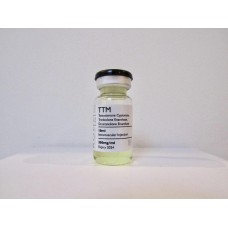
Characteristics of Tetrathiomolybdate and its key properties
Tetrathiomolybdate, often referred to as TM, is a compound primarily used in the treatment of conditions triggered by excessive copper accumulation in the body. It is particularly relevant in the management of Wilson's disease, where it helps to reduce copper levels to safe thresholds. Tetrathiomolybdate functions by binding with copper, thus preventing its absorption and facilitating its excretion through the bile. This unique chelating ability makes TM a potent choice in the field of biomedical science, where it serves as an effective agent in both therapeutic and research settings. Its key properties include its high stability, low toxicity profile, and efficacy in reducing copper load, making it invaluable for both patients and physicians.
Method of use and dosage
The administration of Tetrathiomolybdate generally depends on the severity of the condition being treated, and it is crucial that a qualified doctor or specialist is consulted before use. Dosing strategies are typically tailored to each individual, taking into account factors such as age, weight, and overall health status. While some patients may experience improvements with smaller doses, others might require a more intensive regimen. It is also important to note that this compound may not be suitable for everyone. Pregnant women, minors, and individuals with certain pre-existing medical conditions, including liver disease or allergies to components used in the drug formulation, should avoid its use unless specifically prescribed by a healthcare provider.
Forms and types of Tetrathiomolybdate release
Tetrathiomolybdate is available in various forms, including oral tablets and intravenous formulations. The choice between these options often depends on the specific treatment plan prescribed by healthcare professionals. Many patients find that the oral tablets provide a convenient method for ongoing treatment, while others may require intravenous administration for rapid therapeutic effects. Tetrathiomolybdate is particularly suitable for specific user groups, such as those diagnosed with Wilson's disease and related disorders. Its effectiveness makes it a desirable option for managing copper toxicity.
- Efficacy in managing Wilson's disease symptoms
- Reduction of copper levels in genetics-related conditions
- Support for patients with liver complications linked to copper excess
- Used in research settings to explore therapeutic effects
- Aid in detoxifying agents in cases of heavy metal exposure
How to choose a quality product
Selecting a quality Tetrathiomolybdate product involves several key considerations. First, ensure that the product is manufactured in facilities that comply with Good Manufacturing Practices (GMP), which indicates a commitment to safety and quality. Look for products that are clearly labeled, providing detailed information on ingredients, dosage, and usage instructions. Additionally, it is beneficial to consult product reviews and seek advice from healthcare professionals who may recommend reputable sources. Safety considerations should include checking for third-party testing results that validate the product's efficacy and confirm the absence of harmful contaminants.
Where to purchase Tetrathiomolybdate in the USA
Tetrathiomolybdate can be purchased through various channels in the USA, including pharmacies, health food stores, and online retailers. The convenience of online shopping often allows for greater accessibility and wider selection, enabling individuals to research and compare different brands. Many health professionals recommend sourcing Tetrathiomolybdate from reputable online vendors that provide thorough product descriptions and customer support. The overall value of Tetrathiomolybdate lies in its ability to significantly improve health outcomes for those suffering from copper-related disorders, making it a vital addition to one’s healthcare regimen.
Possible side effects and ways to minimize them
Like any medication or supplement, Tetrathiomolybdate can carry potential side effects. Commonly reported issues include gastrointestinal upset, nausea, and dizziness. More severe reactions, though rare, can include allergic responses or significant changes in liver function. To minimize the risks associated with Tetrathiomolybdate use, it is essential to follow the prescribed guidelines closely and maintain regular check-ups with a healthcare provider. Monitoring liver function and other relevant health markers can help prevent adverse effects and ensure a safe treatment journey.