

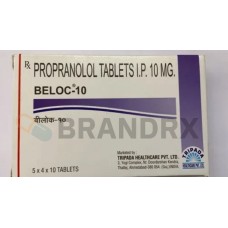




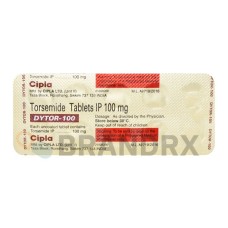
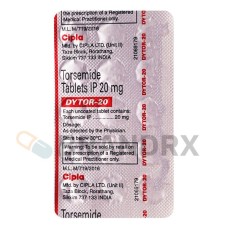
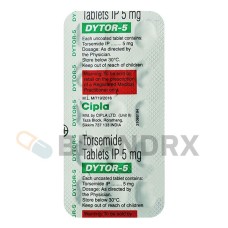









Understanding Cardiovascular drugs
Cardiovascular drugs play a crucial role in managing conditions related to the heart and blood vessels. These medications are designed to treat various ailments, including hypertension, heart failure, arrhythmias, and coronary artery disease. Their primary function is to improve heart function, reduce the risk of heart attacks, and manage the symptoms associated with cardiovascular diseases. The effectiveness of these drugs can significantly enhance the quality of life for individuals with heart-related conditions, helping to prolong and improve daily living.
When and why are cardiovascular drugs used?
Cardiovascular drugs are used in a variety of situations, often depending on an individual's specific health needs. Common purposes include lowering high blood pressure, managing cholesterol levels, stabilizing heart rhythms, and preventing blood clots. These medications may also be prescribed during or after a heart attack or surgery to aid recovery. It is extremely important to seek professional medical advice before use, as self-medication can lead to serious complications, including drug interactions and adverse effects specific to your health condition.
Is this the right category for you? Understanding your needs
Determining whether cardiovascular drugs are appropriate for you involves several key considerations. If you have a history of heart disease, high blood pressure, or related health issues, it might be essential to explore these medications. Here are some benefits and criteria to help assess your needs:
- Effective management of hypertension and cholesterol levels
- Reduction in the risk of heart attacks and strokes
- Improvement in overall cardiovascular function
- Support in regulating heart rhythms and reducing symptoms of heart failure
- Possibility of improving quality of life for those with heart conditions
Before proceeding, consult with a healthcare professional to evaluate your health history and medication requirements thoroughly.
Choosing the right cardiovascular drug
When selecting a cardiovascular drug, it is vital to consider several factors to ensure you choose the most suitable option for your condition. First, evaluate the specific type of cardiovascular issues you are dealing with; different drugs target various problems. Also, pay attention to any other health conditions you might have, as certain contraindications exist. These medications may not be suitable for pregnant women, children, or individuals with specific health issues such as severe kidney problems or particular types of liver disease. Always review potential interactions with other medications you may be taking and any allergies you might have, as these can significantly influence the effectiveness and safety of the prescribed treatment.
Summarizing key information and next steps
In summary, cardiovascular drugs are essential for managing heart-related conditions and improving overall health and well-being. They serve a critical purpose in treating various cardiovascular diseases and enhancing life quality for affected individuals. If you believe these medications are right for you, the next step is to consult with a healthcare provider who can help guide you through the process of selecting the right drug. Browse our range of cardiovascular medications to find options that may align with your health needs and facilitate your journey towards better heart health.