
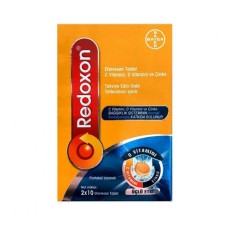
Ascorbic acid (Vitamin C): A Comprehensive Overview
Ascorbic acid (Vitamin C) is an essential nutrient renowned for its vital role in human health and well-being. As a water-soluble vitamin, it is not synthesized by the human body and must be obtained through diet or supplementation. The primary purpose of ascorbic acid is to function as a powerful antioxidant, protecting cells and tissues from oxidative stress caused by free radicals. Beyond its antioxidant properties, ascorbic acid is crucial for the synthesis of collagen, a protein essential for maintaining healthy skin, blood vessels, and connective tissues. This category encompasses various forms of ascorbic acid available in the market, each designed for different applications, such as dietary supplements, skincare formulations, and food fortification.
Typical Users and Contexts of Vitamin C Application
Ascorbic acid attracts a diverse range of users across various demographics and lifestyles. Primarily, individuals seeking to enhance their immune support turn to Vitamin C, particularly during cold and flu seasons or in high-stress environments. Beyond health enthusiasts, many athletes incorporate ascorbic acid into their wellness regimes to assist with recovery and minimize oxidative damage from intense training. In the realm of skincare, beauty enthusiasts utilize Vitamin C serums and creams to combat signs of aging, hyperpigmentation, and to achieve an overall radiant complexion. Furthermore, healthcare professionals may recommend ascorbic acid for patients recovering from surgery or illness, as it plays a role in wound healing. Overall, this vitamin serves a broad spectrum of users, from those focused on overall health maintenance to those trying to improve skin appearance.
Strengths and Distinguishing Characteristics of Ascorbic acid (Vitamin C)
Ascorbic acid distinguishes itself from other vitamins and antioxidants due to its multifunctional properties and extensive health benefits. One of its key strengths lies in its ability to enhance iron absorption, which is particularly beneficial for individuals with iron-deficiency anemia. Additionally, ascorbic acid is unique in its ability to regenerate other antioxidants, such as Vitamin E, thus providing a synergistic effect to combat oxidative stress more effectively. Moreover, the bioavailability of ascorbic acid is notable; it can be integrated into both dietary supplements and topical applications with impressive absorption rates. When exploring related categories, such as Vitamin E or other natural antioxidants, ascorbic acid stands out due to its versatility in supporting not only immune function but also skin health and the prevention of chronic diseases. This multifaceted approach to health makes ascorbic acid a staple in both dietary and cosmetic industries.
Benefits of Ascorbic acid (Vitamin C)
The advantages associated with ascorbic acid are extensive and multifaceted. Here are some key benefits:
- Supports immune function, helping the body ward off infections and illnesses.
- Promotes collagen synthesis, essential for healthy skin, joints, and connective tissues.
- Acts as a powerful antioxidant, reducing oxidative stress and inflammation in the body.
- Enhances iron absorption, facilitating better oxygen transport and energy levels.
- Contributes to the maintenance of blood vessel integrity, promoting cardiovascular health.
- May reduce the severity and duration of common colds when taken regularly.
- Improves skin tone and texture, helping to combat signs of aging and hyperpigmentation.
These benefits illustrate the importance of ascorbic acid, not only as a dietary supplement but also as a critical ingredient in skincare applications.
Important Considerations Before Choosing Ascorbic Acid (Vitamin C) Products
When selecting products that contain ascorbic acid, it's essential to consider several factors to ensure safety and effectiveness. One of the primary considerations is dosage; while Vitamin C is generally safe, excessive intake can lead to gastrointestinal discomfort and diarrhea. Individuals with certain medical conditions, such as kidney disorders, should consult their healthcare provider before taking supplements containing high doses of ascorbic acid, as it could exacerbate their condition. Additionally, it is vital to evaluate the form of ascorbic acid being used; while L-ascorbic acid is the most researched and effective form for topical applications, other derivatives like ascorbyl palmitate or sodium ascorbate may also be suitable depending on specific needs and preferences. Finally, users should check for allergen information and the quality of the product, emphasizing third-party testing and purity to avoid contaminants. Being informed about these considerations can help maximize the benefits of ascorbic acid while minimizing the risks associated with its use.