
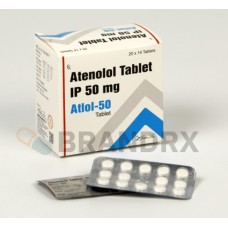
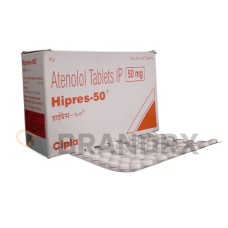
Atenolol: An Overview of Its Purpose and Uses
Atenolol is a widely prescribed medication that falls under a class of drugs known as beta-blockers. Its primary purpose is to manage various cardiovascular conditions, including hypertension (high blood pressure), angina (chest pain), and to improve survival rates after a heart attack. Atenolol works by blocking the action of certain natural chemicals in the body, particularly epinephrine, on the heart and blood vessels. This leads to a reduction in heart rate, lower blood pressure, and decreased strain on the heart. Given its efficacy, Atenolol is considered a cornerstone in the management of heart-related ailments, and it is often recommended as part of a broader treatment plan that may include lifestyle changes and other medications.
Typical Users and Contexts for Use
The typical users of Atenolol include individuals diagnosed with hypertension, coronary artery disease, heart rhythm disorders, or those who have experienced a myocardial infarction. It is often prescribed to adults, although healthcare providers may also consider its use in certain pediatric cases under strict medical supervision. Atenolol is especially relevant for individuals who require long-term management of their heart conditions and those looking to minimize the risk of future cardiac events. The drug is typically administered in a clinical setting, with ongoing monitoring of the patient's blood pressure and heart rate to ensure optimal results and to adjust dosages as necessary. Patients are usually educated about the importance of adhering to their medication regimen, as well as maintaining a heart-healthy lifestyle which may include dietary changes, regular exercise, and stress management techniques. Atenolol is often considered a viable option for patients who may not tolerate other medications well, making it a key player in cardiovascular health management.
Atenolol: Strengths and Distinguishing Characteristics
When compared to other beta-blockers and hypertensive medications, Atenolol stands out due to several key characteristics. Firstly, it has a relatively longer half-life, allowing for once-daily dosing, which can improve patient compliance. Secondly, Atenolol is selective for beta-1 adrenergic receptors, which means it predominantly affects the heart, with a lower incidence of respiratory side effects, making it more suitable for patients with respiratory issues like asthma. Thirdly, Atenolol offers a favorable profile in terms of side effects; although side effects can still occur, they are often milder compared to non-selective beta-blockers. Furthermore, Atenolol has been shown to reduce mortality in patients who have experienced heart attacks, further solidifying its role in cardiac care. Finally, it is available in both generic and brand-name forms, which can offer more affordable options for patients seeking treatment for their conditions.
Benefits of Atenolol: A Balanced Overview
- Effective in lowering blood pressure and heart rate, aiding in hypertension management.
- Reduces anginal episodes, improving overall heart function and patient quality of life.
- Supports heart health post-myocardial infarction by decreasing the risk of further complications.
- Long half-life allows for convenient once-daily dosing, increasing compliance among patients.
- Selective action on beta-1 receptors minimizes respiratory side effects, broadening its applicability in various populations.
These advantages highlight Atenolol's role in comprehensive cardiovascular treatment. Patients are encouraged to consult their healthcare providers for personalized advice, ensuring that the benefits outweigh any potential risks associated with its use.
Important Considerations Before Choosing Atenolol
Prior to commencing treatment with Atenolol, several important considerations must be addressed. It is crucial for healthcare providers to evaluate patients for contraindications such as severe bradycardia, heart block, or a history of asthma, as Atenolol may exacerbate these conditions. Additionally, patients should inform their doctors about any other medications they are taking to avoid harmful interactions. Common side effects include fatigue, dizziness, and potential sleep disturbances; therefore, monitoring is essential, particularly during the initial stages of treatment or when adjusting dosages. Patients should be informed of the importance of adhering to their prescribed treatment regimen and advised against abrupt discontinuation, as it may lead to rebound hypertension or exacerbate heart conditions. Regular follow-up appointments are vital to ensure the effectiveness and safety of Atenolol therapy, and any signs of adverse effects should be communicated to a healthcare professional promptly. These considerations are pivotal to ensure the safe and effective use of Atenolol in managing cardiovascular health.