



Understanding Melatonin: A Comprehensive Overview
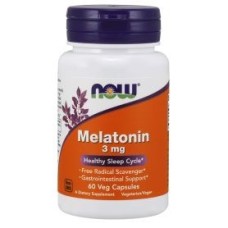
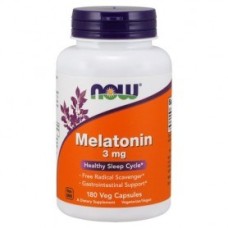
The Melatonin product category encompasses a range of supplements designed to support healthy sleep patterns and promote relaxation. At its core, Melatonin is a hormone naturally produced by the pineal gland in the brain, playing a crucial role in regulating the body’s circadian rhythm. These products aim to replicate that natural function, helping individuals fall asleep faster and achieve a more restful night’s sleep. Common characteristics of Melatonin supplements include the ability to enhance sleep quality, reduce the time it takes to fall asleep, and help adjust the internal body clock, particularly for those experiencing sleep disturbances due to shift work, travel across time zones, or lifestyle changes.
Different formulations are available to accommodate various preferences and needs, making Melatonin a versatile choice for sleep support. Many products in this category come in chewable tablets, gummies, capsules, and liquid forms, allowing consumers to select a format that best fits their lifestyle. The dosage also varies, typically ranging from 1 mg to 10 mg per serving, enabling users to adjust the amount based on their specific requirements. The inclusion of additional ingredients such as herbs or vitamins can further enhance the sleep-promoting effects, allowing consumers to customize their approach to sleep health.
Exploring Alternative Sleep Aids
While Melatonin supplements are designed specifically to mimic the body’s natural sleep hormone, other related categories of sleep aids include herbal remedies, over-the-counter sleep medications, and lifestyle products like meditation apps or white noise machines. Each of these alternatives offers different mechanisms for promoting relaxation and sleep. However, many users prefer Melatonin because it is a natural product with minimal side effects when used appropriately. Unlike some prescription sleep medications that may lead to dependency or result in grogginess, Melatonin promotes sleep in a more gentle manner. This distinction makes Melatonin a favorable option for those seeking a non-habit forming solution to their sleep issues.
Long-Term Use and Considerations for Melatonin
Long-term use of Melatonin can offer sustained benefits in improving sleep quality and duration. Many individuals find that regular use helps maintain a consistent sleep schedule, ultimately leading to better overall health. However, it is important to approach Melatonin use with caution. Certain groups, such as pregnant women, nursing mothers, individuals under 18, and those with certain medical conditions (like autoimmune diseases or epilepsy), should consult a healthcare professional before starting any Melatonin supplementation. Side effects may include dizziness, daytime sleepiness, or disruptions in mood for some users, making it crucial for anyone considering Melatonin to evaluate its suitability for their personal health circumstances.
When using Melatonin, individuals can expect to experience benefits such as improved sleep onset, enhanced quality of sleep, and a potential reduction in the symptoms of insomnia. With that said, it is recommended to use Melatonin in conjunction with proper sleep hygiene practices, such as maintaining a consistent sleep schedule, creating a relaxing bedtime routine, and limiting exposure to screens before sleep. This holistic approach can amplify the effects of Melatonin and contribute to improved overall well-being.
Guidelines for Selecting and Using Melatonin Products
When choosing a Melatonin supplement, several factors should be taken into consideration to ensure effectiveness and safety. First, evaluate the dosage that aligns with your sleep needs. Beginners might find lower doses effective, while others who have been using Melatonin for a while may require higher amounts. It is recommended to start low and adjust as necessary, always following the manufacturer’s instructions. Additionally, consider the format of the product; gummies and chewables are popular for their taste and ease of use, while capsules and liquids offer more flexibility in dosage.
Moreover, pay attention to the product's ingredient quality and ensure that it is free from artificial additives and fillers. Third-party testing can be a good indicator of product reliability and safety. Finally, establish a routine for taking Melatonin, ideally around 30 minutes prior to bedtime, to enhance its sleep-inducing effects. This will help signal to your body that it is time to wind down, promoting a smoother transition into sleep.
In conclusion, the Melatonin product category offers a natural and effective solution for many individuals seeking to improve their sleep patterns and overall sleep quality. By understanding its unique characteristics, exploring various product forms, and carefully considering usage guidelines, consumers can confidently incorporate Melatonin into their nightly routine for optimal sleep health.