








Understanding Gonadotropin Products: A Comprehensive Overview
Gonadotropin products represent a specialized category of hormonal therapies utilized primarily in the fields of reproductive health and fertility treatments. What unites all these products is their fundamental role in regulating reproductive functions through the stimulation of the gonads—specifically the testes and ovaries. Gonadotropins, such as Luteinizing Hormone (LH) and Follicle-Stimulating Hormone (FSH), are essential in triggering ovulation in women and sperm production in men. The key characteristics of products in this category often include their composition, which may either be synthetic or derived from natural sources, their method of administration—often injectable—and their targeted actions which facilitate various reproductive health processes.
Formats and Types of Gonadotropin Products
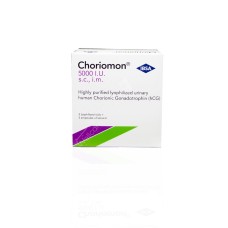
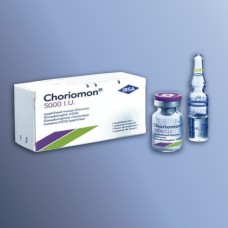
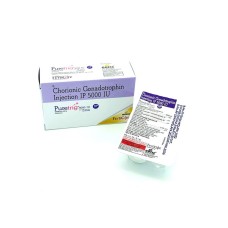
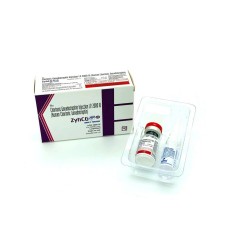
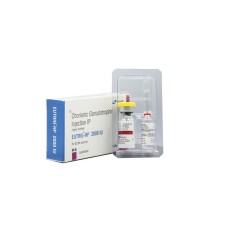
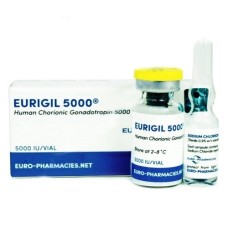
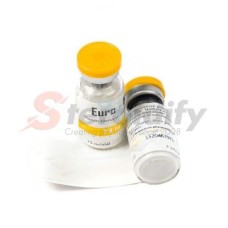
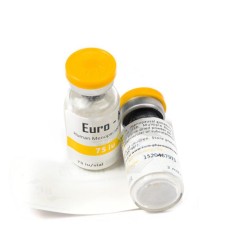
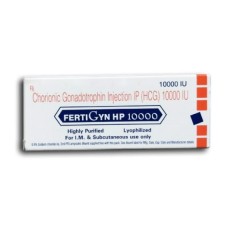
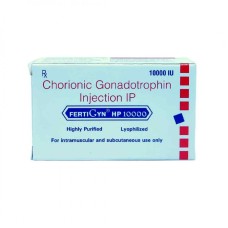
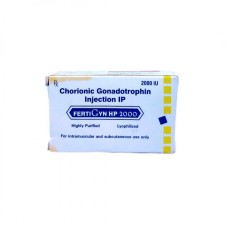
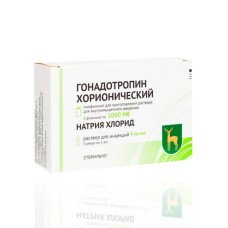
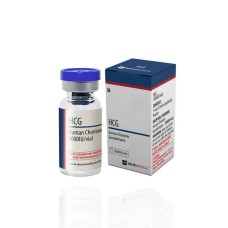
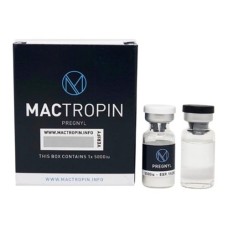
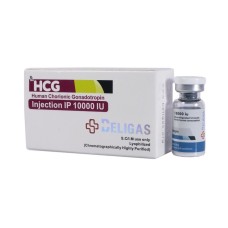
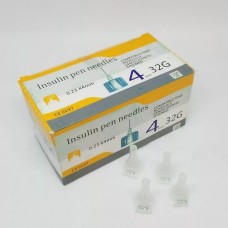
Gonadotropin products are available in various formats to cater to different patient needs and preferences. The most common forms include injectable solutions and lyophilized powder that requires reconstitution before use. Injectable gonadotropins are often provided in vials or pre-filled syringes, making them easier to administer at home or in a clinical setting. Additionally, they are sometimes bundled with syringes and instruction manuals to ensure proper usage. Some common types found in this category are human chorionic gonadotropin (hCG), recombinant FSH, and combined LH/FSH products, each designed with specific indications for fertility enhancement and hormonal regulation.
Differentiating Gonadotropin from Related Hormonal Categories
While various hormonal products aim to assist in reproductive health, Gonadotropin products are distinctive due to their specific roles in stimulating the ovaries and testes directly. Unlike other hormonal therapies that may manipulate systemic levels of hormones or target non-reproductive functions, gonadotropins act directly at the level of the gonads. This targeted action is crucial for women undergoing ovulation induction or men seeking to enhance testosterone production or sperm quality. Choosing Gonadotropin over other related categories can often lead to more precisely controlled fertility protocols and improved outcomes, particularly in individuals facing specific reproductive challenges.
Long-term Effects and Considerations in Gonadotropin Use
The use of Gonadotropin products can result in considerable positive long-term outcomes, particularly for those initiating fertility treatments. Women may experience regular ovulation cycles, enhanced ovarian response, and increased chances of conception. Likewise, men may see improvements in sperm count and overall reproductive health. However, it is important to approach these products with caution. Contraindications include pregnant women, individuals under 18, and those with certain medical conditions such as hormone-sensitive cancers or severe renal disease. It is essential for potential users to consult with healthcare professionals to ensure Gonadotropin is suitable for their circumstances, minimizing risks while maximizing the potential for successful results.
Choosing and Using Gonadotropin Products Effectively
When considering Gonadotropin products, it is vital to take several factors into account to ensure effective usage and the best possible outcomes. First, collaborate closely with a healthcare provider to determine the appropriate type and dosage based on your specific reproductive goals and health status. Be sure to follow the administration instructions meticulously, and do not hesitate to ask for clarification on any procedures or concerns. Understanding the timing of doses in relation to monitoring cycles is crucial, particularly for individuals using these products for fertility treatments. Additionally, keep track of any side effects or reactions and communicate these promptly to your healthcare provider to adjust the treatment plan as necessary. Proper education, support, and adherence to guidelines will significantly enhance the effectiveness of Gonadotropin therapy and help you achieve your reproductive health objectives.