
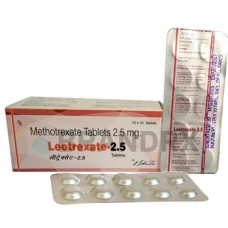
Methotrexate: A Comprehensive Overview
Methotrexate is a vital medication primarily used in the treatment of various autoimmune diseases and certain types of cancer. Classified as an antimetabolite, Methotrexate interferes with the synthesis of DNA, RNA, and proteins, leading to the inhibition of cell reproduction. Its application spans across multiple medical conditions, making it an essential category in the pharmaceutical landscape. Health professionals prescribe Methotrexate for managing conditions such as rheumatoid arthritis, psoriasis, and certain malignancies, including leukemia and lymphoma. Given its mechanism of action, Methotrexate is particularly effective in conditions where rapid cell division contributes to disease progression.
Typical Users and Contexts for Medication
The users of Methotrexate are diverse, encompassing individuals suffering from chronic autoimmune disorders and malignancies. Patients with rheumatoid arthritis often experience debilitating joint pain and inflammation, leading them to seek relief through Methotrexate therapy. Similarly, individuals diagnosed with psoriasis may require this medication for effective management of skin symptoms and lesions. In the realm of oncology, patients with specific types of cancer, such as non-Hodgkin's lymphoma or osteosarcoma, may be prescribed Methotrexate as part of a broader therapeutic regimen. Furthermore, the medication is frequently administered in outpatient settings, including hospitals and specialized clinics, where healthcare professionals closely monitor patients for efficacy and potential adverse reactions.
Strengths and Distinguishing Characteristics of Methotrexate
Methotrexate boasts several strengths that set it apart from related therapeutic categories. Firstly, its multifaceted mechanism of action allows it to target rapidly dividing cells, making it particularly effective in both inflammatory and malignant conditions. Secondly, Methotrexate has a well-established safety profile, as its long history of clinical use has provided a wealth of data regarding its benefits and risks. Unlike many newer medications, Methotrexate is generally more cost-effective and widely available, enhancing accessibility for patients requiring long-term treatment. In comparison to other disease-modifying antirheumatic drugs (DMARDs), Methotrexate is often considered the first-line treatment due to its proven efficacy and ability to slow disease progression. Additionally, its ability to be combined with other therapies allows for individualized treatment plans tailored to specific patient needs.
Benefits of Methotrexate: A Balanced Overview
While it is essential to understand the potential drawbacks of any medication, Methotrexate offers several key benefits that merit consideration:
- Effective in managing autoimmune diseases such as rheumatoid arthritis and psoriasis.
- Demonstrated efficacy in treating various cancers, including leukemia and lymphomas.
- Long history of clinical use, providing insights into its safety and effectiveness over time.
- Affordable compared to many newer biologic therapies.
- Flexibility to be used alongside other medications for a more comprehensive treatment approach.
These advantages underscore the medication's role as a fundamental component of treatment plans for countless patients, contributing significantly to improved quality of life and disease management.
Important Considerations Before Choosing Methotrexate
Before initiating treatment with Methotrexate, it is crucial for patients and healthcare providers to consider several important factors. First and foremost, potential contraindications include pregnancy and liver disease, as Methotrexate may pose significant risks to both the mother and the developing fetus. Regular monitoring of blood cell counts and liver function is often necessary to detect any adverse effects during treatment. Additionally, patients with pre-existing kidney issues should use Methotrexate cautiously, as the drug can be significantly affected by renal function. Informing the healthcare provider about all current medications and existing health conditions is imperative to avoid potential drug interactions and complications. By thoroughly evaluating these considerations, patients can make informed choices about their treatment options, ensuring the best possible outcomes with Methotrexate.