


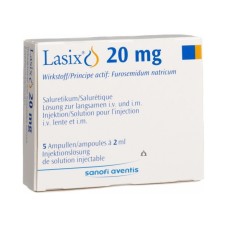
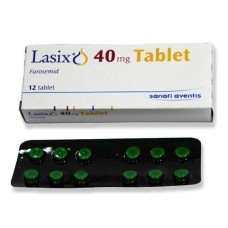
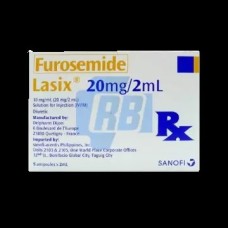
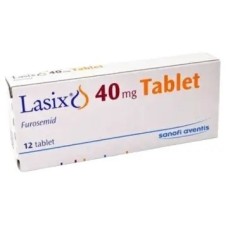

Description of Furosemid and its pharmacological properties
Furosemid, a potent loop diuretic, is widely recognized for its ability to impact renal function by inhibiting sodium and chloride reabsorption in the ascending loop of Henle. This results in an increase in urine production and a decrease in fluid retention in the body. It effectively promotes the excretion of water, sodium, potassium, and calcium, making it a preferred choice in managing conditions like edema and hypertension.
Furosemid works through various pharmacological mechanisms that unify all products in this category. These mechanisms stem from its ability to block the Na-K-2Cl co-transporter, ultimately leading to enhanced diuresis. Additionally, Furosemid elevates urine concentration and alters renal blood flow, which can be advantageous in situations requiring rapid fluid reduction. It is important to note that while Furosemid promotes diuresis, its core pharmacological characteristics may vary slightly depending on the formulation and dosage. However, the foundational principle of enhancing urinary output remains consistent across the board.
The key features common to this entire group of medications include their fast-acting nature and effectiveness in conditions involving excess fluid retention. Products containing Furosemid are primarily utilized in acute settings due to their rapid onset of action, providing relief from symptoms associated with congestive heart failure, liver cirrhosis, or renal disorders. In summary, Furosemid represents a cornerstone in the pharmacological management of fluid overload conditions, providing reliable therapeutic outcomes for patients.
What to consider when using products from this category
When using products from the Furosemid category, several important considerations come into play. First and foremost, it is crucial to determine the appropriate dosage tailored to individual health circumstances. Factors such as age, weight, kidney function, and the specific condition being treated can significantly influence how Furosemid is utilized. Additionally, hydration status must be closely monitored, as excessive diuresis can lead to dehydration and electrolyte imbalances.
General precautions include being aware of the potential for rapid shifts in fluid and electrolyte balance after initiating treatment and watching for symptoms such as dizziness, weakness, or muscle cramps, which may signal an issue. Moreover, individuals with a history of hypersensitivity to sulfonamides should approach the use of Furosemid with caution. It is also essential to take into consideration the concurrent use of other medications, which may affect Furosemid's efficacy or increase the risk of adverse effects.
Indications for the use of Furosemid
Furosemid is typically indicated for various medical conditions where the elimination of excess fluid is necessary. The primary indications for utilizing products in this category include the management of edema associated with congestive heart failure, renal disease, or liver cirrhosis. In these situations, Furosemid aims to alleviate symptoms such as swelling, difficulty breathing, and abdominal discomfort due to fluid accumulation.
Additionally, this medication is utilized in the management of hypertension, particularly when quick diuresis is warranted following acute episodes. Users may choose Furosemid over other diuretics due to its rapid onset of action, potent diuresis, and versatility in treating various volume overload conditions. Its strong diuretic effect can result in significant improvements in quality of life for individuals struggling with these challenges.
Risks and recommendations for safe use
While Furosemid offers numerous benefits, it also presents potential risks that users should be aware of before starting treatment. Long-term use of diuretics such as Furosemid may lead to electrolyte deficiencies, dehydration, and kidney dysfunction, necessitating regular medical monitoring. Additionally, individuals with certain medical conditions should avoid this group of products. For instance, pregnant women, children, and people with preexisting kidney or liver issues may face complications.
- Management of fluid overload due to heart failure.
- Reduction of edema related to liver disease.
- Treatment of hypertension, especially in acute scenarios.
- Facilitation of rapid diuresis in emergencies (e.g., hypertensive crises).
- Support in acute renal failure cases.
Given these risks and the complexity of dosing, consulting a doctor or specialist before use is paramount. Healthcare professionals can provide insights into the appropriateness of Furosemid for individual health situations and necessary precautions to ensure safe use.
Buy Furosemid in the USA from an anabolic store
Before starting the use of Furosemid, conducting thorough research about available products in this category is advisable. This includes familiarizing oneself with dosage recommendations, potential side effects, and indications specific to different formulations. It's also prudent to start treatment cautiously, monitoring for any adverse effects or reactions involved. By taking these steps, users can make informed decisions about their health and ensure they derive the benefits from Furosemid while minimizing risks.