
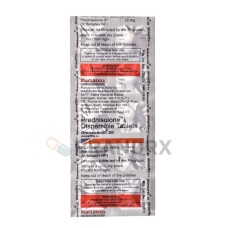
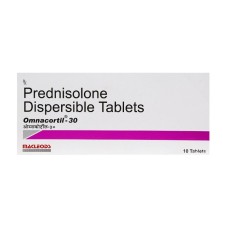

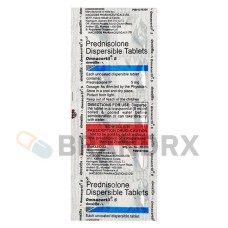



Buy Anti-inflammatory drugs in the USA
Anti-inflammatory drugs play a crucial role in managing pain, inflammation, and various chronic conditions. These medications primarily target inflammation in the body, reducing symptoms associated with injuries, arthritis, and diseases like fibromyalgia. With a variety of available forms, including tablets, capsules, topical creams, and injectables, users have the flexibility to choose the delivery method that suits their needs best. This diversity not only enhances compliance but also allows for tailored approaches to pain management. Typical use produces significant reductions in swelling and discomfort, leading to improved mobility and quality of life for patients. Anti-inflammatory drugs are suitable for individuals suffering from chronic pain conditions, athletes recovering from injuries, or anyone seeking relief from inflammation-related issues. These products are characterized by specific actions that can be predictable and measurable, providing users confidence in their effectiveness.
How to structure practical use
When considering the use of anti-inflammatory drugs, understanding the pharmacokinetics is essential. The half-life of these medications varies, typically ranging from a few hours to several days, which influences how frequently you should take them. A common recommendation is to split the daily dose into multiple administrations to maintain stable plasma concentrations and effectiveness. For example, if prescribed a medication with a half-life of six hours, taking it three times a day may help ensure a consistent level in the bloodstream. Practical tips for intake include taking these medications with food to mitigate gastrointestinal discomfort, which is a frequent side effect. Moreover, maintaining stable concentration is critical for achieving the desired therapeutic effects. Regularly reviewing your intake schedule with a healthcare provider can help ensure optimal drug management and patient outcomes.
Duration and working ranges
The standard duration for which anti-inflammatory drugs are prescribed typically spans from four to six weeks, depending on the specific condition being treated and the individual’s response to the medication. During this period, patients can expect gradual improvements in their symptoms, including reductions in pain and inflammation. Dosage recommendations vary based on the experience level and specific health requirements of the user, with beginners generally advised to start with lower doses. It is essential to increase dosages gradually, in increments of no more than 25 percent every two weeks, to avoid adverse reactions and monitor body responses accurately. Various factors influence the effectiveness of these drugs, such as physical training, sleep quality, and nutrition. These elements can significantly impact recovery and overall performance, making it vital that users maintain a balanced lifestyle alongside their pharmacological treatment.
State monitoring and expected dynamics
Monitoring one’s health status during extended courses of anti-inflammatory drugs is critical to ensuring safety and effectiveness. Regular lab tests are recommended to evaluate critical indicators such as liver enzymes, hemoglobin levels, and blood pressure readings. The initial results, such as improvements in pain thresholds or mobility, commonly appear within two to four weeks of consistent use. Maintaining these results post-course involves careful management of lifestyle factors, including maintaining healthy eating patterns and regular physical activity. Post-cycle therapy is essential in managing any lingering effects of the drugs, emphasizing the importance of continuing to monitor your body's responses post-treatment. Patients must be proactive in engaging with healthcare providers to facilitate optimal recovery and well-being throughout their therapy.
Monitoring during intense training
Keeping a detailed diary to track health indicators is vital when using anti-inflammatory drugs in conjunction with intensive training regimens. Regular self-assessments can help identify any adverse reactions to the medication or potential overtraining. Symptoms that require immediate attention include excessive fatigue, unusual bruising, mood swings, or significant changes in appetite. Consultations with healthcare professionals are highly recommended to discuss any troubling symptoms, ensuring a clear and safe path forward. Being cautious when combining multiple products is essential to avoid potential interactions that could compromise safety and efficacy.
Safety and results when using Anti-inflammatory drugs
Prior to initiating treatment with anti-inflammatory drugs, a thorough health assessment is essential for ensuring safety and anticipating the therapy's intended results. Certain contraindications need careful consideration, including liver function disorders, existing heart or vascular diseases, current or past oncological conditions, the pregnancy and breastfeeding period, age under 21, and instances of individual intolerance to these medications. Regular medical examinations, such as liver function tests and blood screenings, are advised to safeguard against potential adverse effects associated with prolonged medication use. This proactive approach not only minimizes risks but also optimizes the therapeutic outcomes associated with anti-inflammatory treatment.