
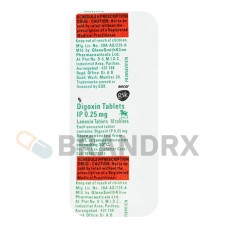
Digoxin: A Comprehensive Overview of Its Role in Cardiac Care
Digoxin is a vital medication widely used in the treatment of various heart conditions, particularly atrial fibrillation and heart failure. It belongs to a class of drugs known as cardiac glycosides, which work by increasing the force of heart contractions and helping to regulate heart rhythms. This essential glycoside enhances the heart's efficiency, allowing it to pump blood more effectively throughout the body. Such properties make digoxin a cornerstone in the management of certain cardiovascular diseases, providing relief and improved quality of life for many patients.
Typical Users and Contexts of Digoxin Use
Digoxin is primarily prescribed to individuals diagnosed with specific heart-related conditions. Typical users include adults and elderly patients experiencing congestive heart failure or atrial fibrillation. Often, healthcare professionals recommend this medication after thorough assessment and diagnosis of the patient's condition. The contexts in which digoxin is applied extend from outpatient settings to hospitals, especially in cardiology departments. Patients who may have chronic heart disease or those who have undergone heart surgery are also common recipients of this treatment. It is crucial for health practitioners to monitor these patients closely, adjusting dosages as necessary to achieve optimal therapeutic effects.
Strengths and Distinguishing Characteristics of Digoxin
One of the key strengths of digoxin is its ability to improve heart function significantly, particularly in patients with left ventricular dysfunction. Unlike other medications used in managing heart conditions, digoxin has a unique mechanism of action by inhibiting the Na+/K+ ATPase pump, leading to increased intracellular calcium levels. This action translates to enhanced contractility of the heart muscle, which is essential for patients affected by heart failure. Furthermore, digoxin has a relatively smooth pharmacokinetic profile, allowing for effective dosing tailored to individual patient needs. Distinctly, digoxin is not just another heart medication; its long history of use, dating back to the 18th century, adds an element of trust and familiarity in clinical settings, demonstrating its proven effectiveness and safety when used appropriately.
Benefits of Digoxin: A Balanced Overview
Patients using digoxin can experience several notable benefits that contribute to their overall heart health. An outline of the primary advantages includes:
- Enhanced cardiac output: Digoxin allows the heart to pump more efficiently, improving overall circulation.
- Heart rate control: It helps to regulate the heart rhythm, particularly beneficial for those with atrial fibrillation.
- Symptom relief: Patients often report a reduction in typical heart failure symptoms such as fatigue and shortness of breath.
- Long-established safety profile: With decades of clinical use, digoxin's efficacy and safety are well documented.
- Accessibility: It is generally available and can be prescribed in both acute and chronic care settings, making it a staple in cardiology.
These benefits render digoxin an indispensable tool in contemporary cardiology, particularly for patients struggling with the challenges of heart-related diseases.
Important Considerations Before Choosing Digoxin
Before starting treatment with digoxin, it is essential to consider several factors to ensure safety and efficacy. Contraindications include existing conditions such as hypertrophic obstructive cardiomyopathy, certain arrhythmias like ventricular fibrillation, or severe renal impairment. Patients should also be aware of potential drug interactions, particularly with medications that affect kidney function or heart rate. Routine monitoring of digoxin levels may be necessary to avoid toxicity, which can occur if the levels in the bloodstream become too high. Additionally, healthcare providers typically assess electrolyte levels, as imbalances—particularly in potassium and magnesium—can exacerbate the risk of adverse effects. By being mindful of these considerations, both patients and healthcare providers can work together to use digoxin effectively and safely in managing cardiovascular health.