
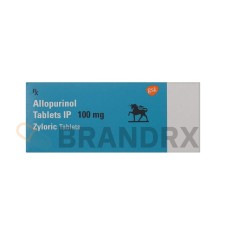
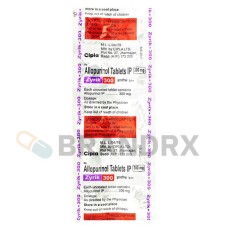
Buy Allopurinol in the USA
Allopurinol is a critical medication primarily used to manage conditions related to high uric acid levels, such as gout and certain types of kidney stones. This category of products is designed to effectively lower uric acid concentration in the blood, reducing the risk of crystal formation associated with these painful conditions. One of the key advantages of Allopurinol is its various available forms, including tablets and topical formulations, which provide flexibility for patients based on their preferences and tolerance levels. The effects of Allopurinol become apparent over time, typically within a few weeks, allowing for gradual improvement in symptoms linked to hyperuricemia. This medication is intended for individuals suffering from chronic gout or recurrent kidney stones and is recommended for long-term management where lifestyle changes alone prove insufficient.
The specific action characteristics of Allopurinol include its pharmacokinetics, particularly its half-life, which allows for once-daily dosing in most patients. The predictability of its effects is a significant advantage, as it facilitates adherence to the medication regimen. Most patients can expect a clear decline in uric acid levels as they adhere to the prescribed dosages. Furthermore, Allopurinol's mode of action contributes to a decrease in the frequency and severity of acute gout attacks, significantly improving the patient's quality of life. Given these benefits, consumers interested in effective management of uric acid-related conditions may choose to buy Allopurinol, reflecting both its efficacy and cost-efficiency compared to other options available on the market.
How to Structure Practical Use
The half-life period of Allopurinol is approximately 1 to 2 hours, which influences dosing schedules. Generally, the recommended intake frequency is once daily for most patients, but some may require splitting doses, especially with higher therapeutic dosages. Therefore, to structure practical use effectively, it is advisable to consume Allopurinol at the same time each day to maintain stable serum concentrations, enhancing its therapeutic effect. Furthermore, patients experiencing gastrointestinal (GI) discomfort can benefit from taking the medication with food, which has shown to mitigate common side effects. It is crucial to monitor and adjust intake habits based on individual responses and side effects to achieve not only adherence but also optimal efficacy.
Additionally, maintaining stable concentrations of Allopurinol is vital for achieving desired outcomes. Patients should be cautious not to miss doses, as both adherence and consistency are paramount in controlling uric acid levels. If a dose is missed, it should be taken as soon as remembered unless it is nearly time for the next scheduled dose, in which case the missed dose should be skipped. Clear guidelines on these practices can significantly contribute to the successful management of their condition and encourage users to order Allopurinol online as a convenient solution to their needs.
Duration and Working Ranges
The standard course duration for Allopurinol typically spans from several weeks to several months, depending on individual circumstances and the severity of the condition being treated. Continuous monitoring during this period allows for the adjustment of dosages tailored to patient response. Patients can generally expect noticeable results within 2 to 3 weeks of starting treatment; however, achieving target uric acid levels may take longer. For patients with more intense symptoms or previous resistance to lesser treatments, a more gradual approach to increasing dosages is critical.
When recommending dosages, it is essential to consider the patient's experience level with Allopurinol. Most starting doses are set at 100 mg to 300 mg daily, but experienced patients may require adjustments based on their previous response to the medication. Moreover, factors such as physical training, sleep quality, and nutritional intake significantly influence the medication's overall effectiveness. These elements can markedly affect the pharmacodynamics of Allopurinol and should always be discussed with healthcare providers to ensure a safe and effective treatment plan.
State Monitoring and Expected Dynamics
Long-term use of Allopurinol necessitates regular laboratory monitoring to identify any potential complications and to assess the medication's effectiveness. Essential indicators include liver enzymes, hemoglobin levels, and blood pressure readings. These metrics are critical for identifying any adverse reactions and ensuring the patient's health is not compromised during treatment. Initial results can be anticipated within the first 4 to 6 weeks of therapy, although individual variability can occur based on the patient’s overall health and adherence to lifestyle recommendations.
Maintaining results post-course is equally important. Patients must continue to monitor their uric acid levels and may require ongoing adjustments in dosage as metabolic adaptations occur over time. The significance of post-cycle therapy cannot be overstated, particularly in patients who experience fluctuations in their uric acid levels, as it lays the foundation for long-term health and prevents the recurrence of symptoms. Thus, regular follow-ups and adjusted treatment plans are necessary to promote sustained health outcomes following the completion of treatment.
Monitoring During Intense Training
When engaging in intense training while using Allopurinol, the importance of tracking key health indicators cannot be overstated. Maintaining a symptom diary can be incredibly beneficial in identifying trends and responses related to changes in physical activity. Symptoms that require immediate attention may include an increased frequency of gout attacks, unexplained fatigue, or any change in blood pressure readings. These indicators can reflect the need for a dosage adjustment or even a temporary pause in medication.
Given the individual variability in responses to Allopurinol in conjunction with intensive physical activities, a careful evaluation by a healthcare provider is recommended. Patients are urged to consult with professionals prior to combining Allopurinol with other training supplements or medications, as the risk of adverse interactions can lead to complications.
Safety and Results When Using Allopurinol
Prior to initiating treatment with Allopurinol, it is critical to undergo health assessments to ascertain suitability for use. Pre-treatment evaluations must consider existing health conditions and contraindications, as this medication may not be suitable for everyone. Contraindications for Allopurinol include liver function disorders, heart and vascular diseases, oncological conditions, pregnancy and breastfeeding periods, individuals under the age of 21, and any form of individual intolerance to the medication.
To ensure patient safety while using Allopurinol, a series of medical examinations is recommended, including liver function tests and cardiovascular evaluations. This vigilant approach aids in minimizing potential risks and optimizing treatment outcomes. By highlighting necessary precautions and monitoring, patients can maximize the therapeutic advantages of Allopurinol while minimizing risks associated with its use. Thus, when planning to buy Allopurinol, understanding the importance of safety measures and established monitoring protocols ensures a productive and safe treatment journey.