
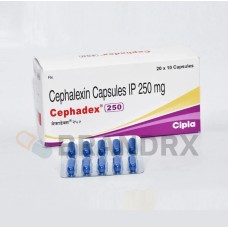
Understanding Cefalexin and Its Uses
Cefalexin is an antibiotic that belongs to the class of medications known as cephalosporins. It is commonly prescribed to treat a variety of bacterial infections, and users often seek it out to alleviate conditions such as skin infections, respiratory tract infections, and urinary tract infections. Patients typically aim to understand the proper use, potential side effects, and the importance of completing the prescribed course of treatment. One common misunderstanding is that antibiotics like Cefalexin can be used to treat viral infections, such as the common cold or influenza; however, this is not the case. Users often overlook the significance of distinguishing between bacterial and viral illnesses, leading to misuse and contributing to antibiotic resistance.
How Cefalexin Functions in the Body
Cefalexin works by interfering with the bacteria's cell wall synthesis, leading to the eventual destruction of the bacteria. This mechanism is crucial because it targets bacteria while generally sparing human cells, allowing for effective treatment of infections with a favorable safety profile. The medication is usually taken orally and is absorbed well in the gastrointestinal tract. Factors that can influence the efficacy of Cefalexin include the severity of the infection, the presence of other underlying health conditions, and the patient's adherence to the prescribed dosage. Understanding the pharmacokinetics of Cefalexin, such as its absorption, distribution, metabolism, and excretion, can provide valuable insights into why it is effective against certain types of bacteria but not others.
Cefalexin Compared to Other Antibiotics
When discussing antibiotics, it is essential to recognize the differences between various classes of medications. While Cefalexin is effective against certain strains of bacteria, other antibiotics may be better suited for different infections. For instance, tetracyclines and macrolides are effective against a wider range of pathogens and are often used for atypical bacterial infections. Additionally, some antibiotics may have a broader spectrum of activity, while others are designed to target specific bacteria. Understanding these distinctions can help both patients and healthcare providers make informed decisions regarding treatment plans. Moreover, considering factors such as resistance patterns, side effects, and patient history can significantly influence the choice among antibiotics.
Limitations and Contraindications of Cephalexin
While Cefalexin is an effective treatment for many bacterial infections, it does have limitations. Patients with a known allergy to penicillin or other cephalosporins should avoid using Cefalexin due to the risk of severe allergic reactions. Additionally, individuals with a history of kidney problems may require dosage adjustments to avoid toxicity. It is also vital for users to be aware of potential interactions with other medications, as certain drugs can either enhance or inhibit the action of Cefalexin. As with any medication, it is crucial to consult a healthcare provider to discuss any underlying health conditions or other medications being taken before starting treatment with Cefalexin. This professional consultation ensures that the benefits of the medication outweigh any potential risks.
Navigating the Cefalexin Category Effectively
Exploring the Cefalexin category on a health information platform can be beneficial for users seeking more information about this antibiotic. It is advisable to start by reviewing the specific indications for Cefalexin to understand why and when this medication would be appropriate. Users can also find details regarding dosing guidelines, potential side effects, and safety information, which are essential for informed decision-making. Additionally, many platforms offer comparisons with other antibiotics, allowing users to recognize alternative treatments as needed. When navigating through this category, pay attention to articles or sections that detail personal experiences, patient testimonials, and expert opinions. These resources can provide a well-rounded perspective on Cefalexin and its role within antibiotic therapy.