



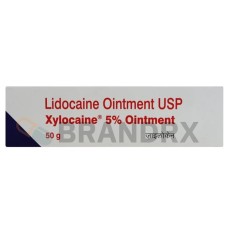
Buy Anesthetic drugs in the USA
Anesthetic drugs serve a critical role in modern medicine, primarily used to facilitate painless medical procedures and surgeries. These drugs help achieve a state of controlled unconsciousness, suppression of reflexes, and analgesia. The forms in which anesthetic drugs are available vary, including gases, injectables, and topical options, catering to diverse clinical needs. Their primary advantages include rapid onset of actions, predictable effects, and relatively straightforward dosing regimens. They are tailored for various specialties, including surgery, dentistry, and pain management. Characteristics such as potency and duration of action depend on the specific anesthetic used, enabling clinicians to predict outcomes reliably. Therefore, if you are looking to support your medical practice with high-quality anesthetic drugs, you should consider the available options and their clinical implications.
How to structure practical use
The practical use of anesthetic drugs should be grounded in an understanding of their pharmacokinetics, particularly their half-life periods. Most inhalational anesthetics have a half-life ranging from mere minutes to several hours, while injectable anesthetics may vary significantly based on the formulation. When ordering anesthetic drugs online, it's essential to follow recommended intake frequencies; in many cases, a single administration suffices for most outpatient procedures, while more extensive interventions may require careful timing of doses. It’s advisable to split daily doses where longer durations are required, ensuring optimal concentration without accumulating side effects. To minimize gastrointestinal discomfort associated with some drugs, pre-medication with anti-nausea medications may be beneficial. Critical to effectiveness is maintaining a stable plasma concentration of the drug throughout the procedure. Understanding these guidelines will enhance your ability to utilize anesthetic drugs effectively.
Duration and working ranges
The duration of anesthetic effectiveness can significantly vary, but standard courses typically last between one to four weeks based on the procedure’s complexity and the drug type used. During this time, healthcare providers can expect specific results such as reduced surgical stress and faster recovery. Dosage recommendations differ amongst users; novice practitioners may start at lower doses, while experienced users may require higher quantities to achieve equivalent effects. Gradual dosage increases are vital for mitigating potential risks and assessing patient responsiveness. Factors such as body weight, overall health, and concurrent medications can affect the drugs' effectiveness and should always be considered. Regular evaluation of patient response will inform any necessary dose adjustments during the treatment period, maximizing therapeutic outcomes while minimizing adverse effects.
State monitoring and expected dynamics
When using anesthetic drugs, particularly over extended periods, the necessity for state monitoring through laboratory tests is paramount. Key indicators to control include liver enzymes, hemoglobin levels, and consistent blood pressure readings. The initial results of anesthetic effects often become apparent within one to two weeks, allowing for timely adjustments in treatment protocols. Proper management extends beyond the duration of administration; adhering to specific conditions can help maintain results post-use. Additionally, post-cycle therapy is critical to restoring physiological balance in affected systems. Regular check-ups and tests will optimize both the safety and efficacy of anesthetic drug applications, ensuring that potential complications are mitigated, leading to better patient outcomes.
Monitoring during intense training
In the realm of intensive training, tracking health indicators is vital. A personal tracking diary can significantly aid in monitoring specific symptoms that may require immediate consultation, such as unexpected weight changes, persistent fatigue, or altered mood states. Such symptoms might indicate drug-related side effects or interactions that could complicate training efforts. Maintaining an open line of communication with healthcare professionals not only ensures safety but also provides necessary guidance in adjusting intake regimens when combining different anesthetic products. The intricacies of individual responses to medications reinforce the need for personalized care and proactive healthcare management.
Safety and results when using Anesthetic drugs
Prior to using anesthetic drugs, conducting thorough health checks is essential. Healthcare providers must be vigilant for various contraindications, including liver function disorders, heart and vascular diseases, oncological conditions, pregnancy and breastfeeding, age under 21, and individual intolerance to specific substances. Prioritizing pre-use medical examinations will help identify potential risks and establish safe usage parameters. Routine blood tests, liver function assessments, and cardiovascular evaluations should be standard practice before initiating any anesthetic regimen. This concerted effort towards safety will facilitate the beneficial effects of anesthetic drugs while minimizing the likelihood of adverse events, ensuring overall satisfaction for both practitioners and patients.