


















Description of Aromatase inhibitors
Aromatase inhibitors are a class of medications primarily used in the treatment of hormone-sensitive conditions, particularly breast cancer. These pharmaceuticals work by inhibiting the aromatase enzyme, which is responsible for converting androgens into estrogens in the body. By blocking this conversion, Aromatase inhibitors effectively reduce estrogen levels in postmenopausal women, a crucial factor in the growth of some breast cancers that depend on estrogen for their development. Core pharmacological characteristics of Aromatase inhibitors include their ability to selectively target the aromatase enzyme, resulting in a decrease in circulating estrogen levels. This action is essential for alleviating estrogen-driven conditions and plays a pivotal role in hormone therapy for certain cancers.
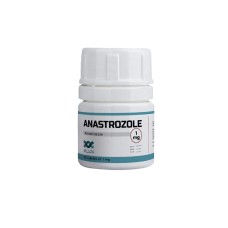
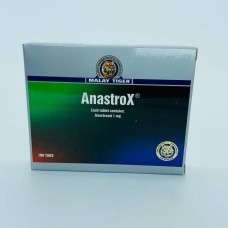
The fundamental principle of action for Aromatase inhibitors revolves around their mechanism of reducing estrogen production. This is particularly relevant in patients with certain types of breast cancer, where high estrogen levels can stimulate tumor growth. Commonly prescribed Aromatase inhibitors include Anastrozole, Letrozole, and Exemestane. Each of these drugs features distinct pharmacokinetic profiles and may vary in their side-effect profiles, but they share the common goal of decreasing estrogen synthesis. Key features that unite all products in this category are their effectiveness in reducing estrogen levels and their strategic role in long-term management of estrogen-dependent cancers.
What to consider when using products from this category
When considering the use of Aromatase inhibitors, several key factors must be taken into account to ensure safe and effective treatment. First and foremost, it is crucial to consult with a healthcare provider before starting any Aromatase inhibitor therapy. This is particularly important because these medications are often used in highly specific clinical settings and can interact with other drugs.
Patients should also be aware that Aromatase inhibitors may not be suitable for everyone. Factors such as pre-existing medical conditions, other medications being taken, and individual health status can significantly influence the effectiveness and safety of these drugs. Additionally, the potential for side effects is something to consider. Common side effects include joint pain, hot flashes, fatigue, and bone loss, which may require monitoring or management by a healthcare professional.
Indications for the use of Aromatase inhibitors
Aromatase inhibitors are indicated primarily for the treatment of certain types of breast cancer, particularly in postmenopausal women who have hormone receptor-positive tumors. These drugs are usually recommended for adjuvant therapy following initial treatment like surgery, as well as for metastatic breast cancer where hormone-driven growth is evident. Users may choose Aromatase inhibitors over other treatment options for several reasons, including the specific needs of their cancer type, prior treatment responses, and individual tolerability of medication.
In addition to breast cancer, recent research is exploring other indications for Aromatase inhibitors, including conditions like endometriosis and infertility issues linked to estrogen imbalance. The ability of these medications to effectively lower estrogen levels appeals to patients seeking alternative hormonal therapies, further expanding their relevance within clinical practice.
Risks and recommendations for safe use
While Aromatase inhibitors offer significant therapeutic benefits, they also carry potential risks, particularly with long-term use. Some patients may experience negative effects on bone density, increasing the risk of fractures and osteoporosis. Moreover, the reduction in estrogen can have ramifications on overall health, including cardiovascular health and cognitive function. It is essential for users to engage in regular monitoring and discuss any concerning side effects with their healthcare providers.
- Effective management of hormone-sensitive breast cancer.
- Reduction in estrogen-related symptoms for certain medical conditions.
- Possibility of improved quality of life for patients in remission.
- Long-term cancer prevention strategies in high-risk populations.
- Facilitating fertility treatments in estrogen-driven conditions.
Contraindications for Aromatase inhibitors include use in premenopausal women, pregnant or nursing individuals, and people with certain underlying health conditions such as liver disease or osteoporosis. Consulting a doctor or healthcare specialist is crucial to assess individual eligibility, possible interactions, and tailor treatment to personal health profiles.
Buy Aromatase inhibitors in the USA from an anabolic store
For individuals considering the purchase of Aromatase inhibitors in the USA, it is essential to approach the selection process with care. Start by identifying reputable anabolic stores that specialize in hormonal medications. Opt for stores that provide comprehensive information about their products, including detailed descriptions, ingredient lists, and user reviews.
When selecting Aromatase inhibitors, users should compare formulations, dosages, and pricing to ensure they are making informed decisions. Additionally, it's advisable to start treatment under medical supervision to monitor for any side effects and adjust dosages as needed. Educating oneself on the specific Aromatase inhibitors available and their respective differences could enhance effectiveness and safety.
Finally, staying informed about legal regulations and safety standards surrounding the purchase and use of Aromatase inhibitors is crucial for maintaining health and compliance. Always prioritize safety, efficacy, and communication with healthcare professionals when embarking on any hormone therapy journey.