








Understanding Finasteride: The Core of Hair Loss Treatment
Finasteride is a prescription medication primarily used to treat male pattern baldness and benign prostatic hyperplasia (BPH). It operates by inhibiting the enzyme 5-alpha reductase, which converts testosterone to dihydrotestosterone (DHT). DHT is a key mediator in hair loss, particularly in genetically predisposed men. By lowering DHT levels, Finasteride helps in slowing down hair loss and, in some cases, promoting regrowth. All products in the Finasteride category share this fundamental mechanism of action, making them effective solutions for those facing hair thinning or loss. Common characteristics include oral administration, varying dosages, and the necessity of a prescription, ensuring that users have medical oversight while using these products.
Formats and Variants of Hair Loss Solutions
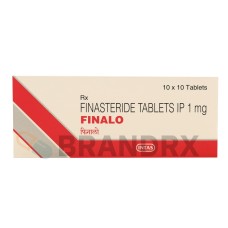
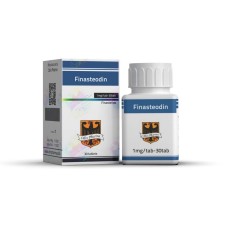
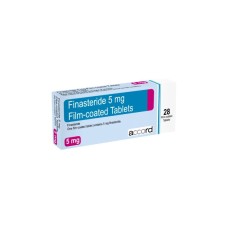
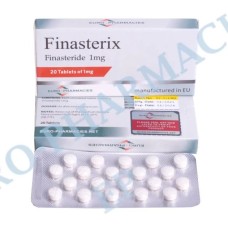
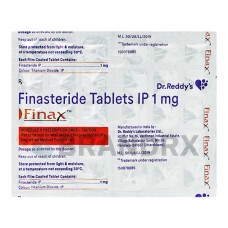
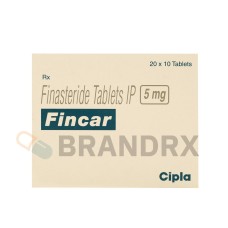
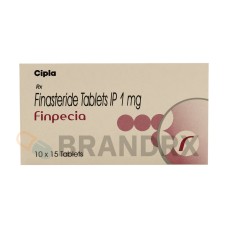
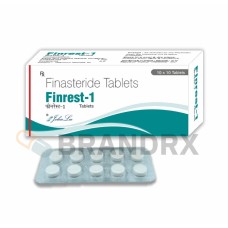
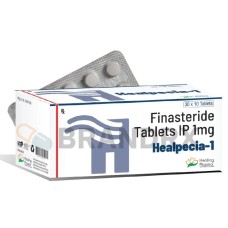
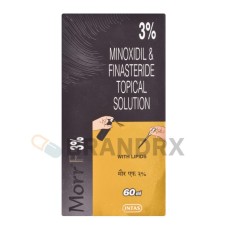
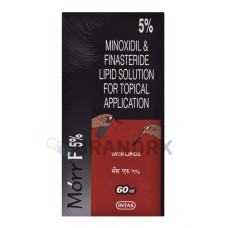
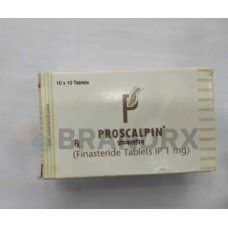
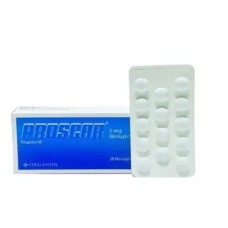
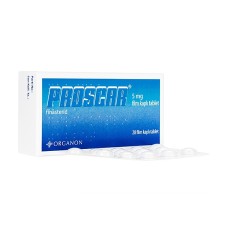
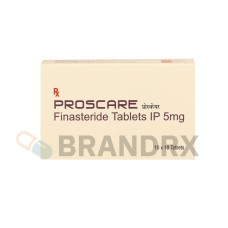
Finasteride is primarily available in tablet form, most commonly in 1 mg and 5 mg dosages. The 1 mg dose is the standard form used for treating male pattern baldness, while the 5 mg version is generally prescribed for BPH. Tablets may also come in branded or generic forms, providing options for different budgets. Additionally, while the oral tablet is the most prevalent format, some users may find compounded formulations or alternative delivery methods through licensed pharmacies, though these are less common and may not be universally available. It's essential to consult with a healthcare provider about the most suitable form and dosage tailored to individual needs.
The Comparisons: Finasteride vs. Other Hair Loss Treatments
Finasteride stands out from other hair loss treatments, such as minoxidil and hair transplant surgeries, due to its specific hormonal mechanism of action. While minoxidil is a topical solution that stimulates hair follicles directly, Finasteride works at the hormonal level, addressing one of the root causes of hair loss. This distinction is significant for individuals seeking a treatment that targets the biological factors contributing to hair thinning. Additionally, surgical options, though effective, can involve lengthy recovery times and substantial financial investment. Users considering their options should weigh these differences and consult with a healthcare professional to determine which treatment aligns best with their goals and conditions.
Long-Term Effects and Considerations in Using Finasteride
Long-term usage of Finasteride can lead to a noticeable reduction in hair loss for many individuals, with some experiencing actual regrowth within six months to a year of consistent treatment. However, it is essential to acknowledge potential side effects, which may include decreased libido, erectile dysfunction, and breast tenderness or enlargement. Users should consult with their healthcare provider about these possibilities. Moreover, Finasteride is not suitable for everyone; women, especially those who are pregnant or may become pregnant, should avoid this medication due to the risk of severely affecting fetal development. Similarly, minors and individuals with certain medical conditions, such as liver disease, may also require alternative treatments and should discuss their health history thoroughly with a provider before starting treatment.
Choosing and Using Finasteride Effectively
When selecting a Finasteride product, it is crucial to consult with a healthcare professional who can recommend the appropriate dosage and monitor any potential side effects. Users should consider their overall health, any pre-existing conditions, and their specific hair loss pattern before starting treatment. Adherence to the prescribed dosage is key to gaining the most benefit while minimizing adverse effects. It’s important to remain patient, as results may take time, and discontinuing use may lead to the return of hair loss. Additionally, continuous follow-ups with a healthcare provider will ensure the treatment remains effective and allow for adjustments if necessary. Combining Finasteride with lifestyle changes—such as a balanced diet and stress management—can further enhance overall results.