


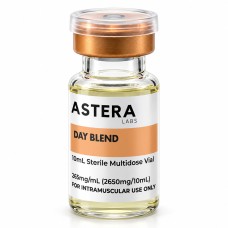

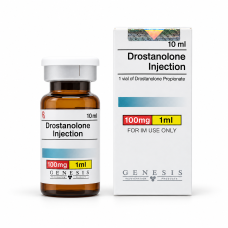
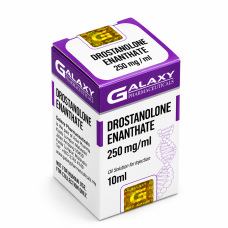
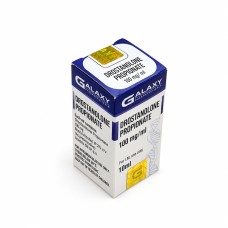
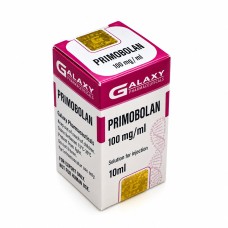
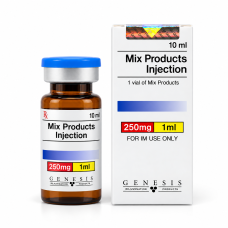
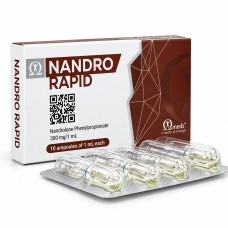
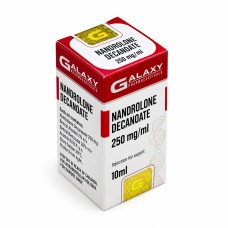

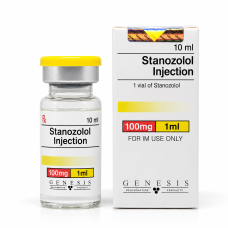

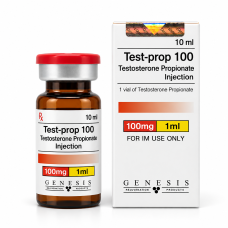
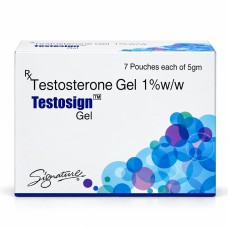
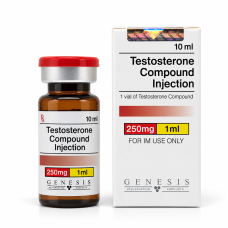
What Steroid Injections is used for
Steroid injections are primarily used to treat a variety of medical conditions, particularly those related to inflammation, pain, or injury recovery. These injections contain corticosteroids, which are hormones produced by the adrenal glands, and are effective in reducing inflammation and suppressing the immune system. They are commonly considered for conditions such as arthritis, tendonitis, sports injuries, and other inflammatory disorders. Depending on the severity and nature of the condition, healthcare providers may recommend steroid injections to provide rapid pain relief and enhance recovery, making it easier for patients to engage in physical therapy or exercise regimens. Additionally, steroid injections may help improve mobility and overall quality of life for individuals suffering from chronic pain or debilitating conditions.
Impact on training results
Products from this category can have a notable influence on training performance and recovery processes. Athletes often utilize steroid injections to enhance their performance by increasing endurance, strength, and speed. The anti-inflammatory properties of corticosteroids can help reduce pain and swelling in areas of the body affected by overuse or injury, allowing for more consistent training sessions. Furthermore, these injections can accelerate the healing of injuries, enabling athletes to return to their training routines sooner than they might otherwise be able to. However, it is extremely important to seek professional medical advice before use. A healthcare provider can help determine if steroid injections are appropriate for your specific situation, ensuring that risks are minimized and benefits maximized.
Characteristics of Steroid Injections and its key properties
Understanding the characteristics of steroid injections is crucial for determining their suitability for individual needs. Not all individuals may be appropriate candidates for these injections. The following key benefits or criteria can help users decide if this category aligns with their circumstances:
- Effective relief from inflammation and pain associated with various injuries and conditions
- Possibility of quicker recovery times, allowing for a more structured training regimen
- Administration is localized, meaning that the injected area receives concentrated treatment
- Potential to improve mobility and enhance overall performance in athletes
- Can be combined with physical therapy for enhanced results
If you believe that steroid injections may be beneficial for you, it is important to consult with a healthcare professional who can assess your individual circumstances and offer personalized advice.
Possible side effects and ways to minimize them
While steroid injections can provide significant benefits, they are not without their potential side effects. Common side effects may include localized pain, infection at the injection site, allergic reactions, or temporary flare-ups of pain. It is crucial to consider contraindications before use; certain individuals may not be suitable candidates for steroid injections. Pregnant women, children, and individuals with specific medical conditions such as diabetes, high blood pressure, or a history of infection should exercise caution. Choosing products from this category requires careful evaluation. Look for licensed healthcare professionals who can provide thorough assessments and guidance on the risks and benefits associated with steroid injection use.
Where to buy Steroid Injections online in the USA
For those seeking to purchase steroid injections online in the USA, it is essential to proceed responsibly. Start by researching reputable sources and ensuring that any products considered are from licensed pharmacies or certified sellers. Browse the available range and pay close attention to product descriptions and customer reviews, as these can provide valuable insights into the efficacy and safety of the options available. Always prioritize safety and compliance with local laws when making a purchase. After finding options that meet your criteria, consult your healthcare provider to discuss your choices, ensuring that you are making an informed decision that aligns with your health and training objectives.