
Understanding Esomeprazole: Key Features and Mechanism of Action
Esomeprazole belongs to a group of medications known as proton pump inhibitors (PPIs). These products are primarily designed to reduce the production of stomach acid, thereby alleviating symptoms associated with conditions like gastroesophageal reflux disease (GERD), stomach ulcers, and other acid-related disorders. The primary mechanism of action involves blocking the proton pumps in the stomach lining, which are responsible for secreting acid. By inhibiting these pumps, Esomeprazole effectively diminishes the acidity in the stomach, helping to relieve discomfort and promote healing.
A significant feature shared by all Esomeprazole products is their ability to provide quick relief from heartburn symptoms. Most users experience noticeable improvement within a few days of starting the medication. Additionally, many formulations are available, catering to varying patient needs. The products in this category are notable for their long duration of action, which can sustain acid suppression for up to 24 hours. This long-lasting effect allows for convenient once-daily dosing in most cases, enhancing adherence and therapeutic success among users.
Forms and Variants of Esomeprazole Products
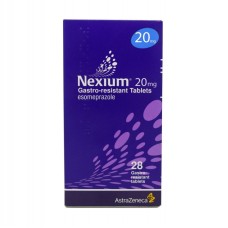
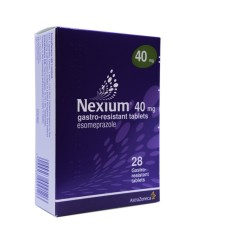
Esomeprazole is available in several forms to accommodate individual preferences and medical needs. The most common forms are oral tablets and capsules, which can be swallowed whole or opened to sprinkle the contents onto soft food. There are also liquid formulations, typically provided in vials for injection, which are useful in hospital settings for patients who cannot take oral medications. The flexibility in delivery methods ensures that Esomeprazole can be tailored to different patient situations, including those with swallowing issues or specific digestive conditions.
Some formulations may also include delayed-release features, ensuring that the medication is not activated until it reaches the intestine. This characteristic helps minimize potential side effects associated with stomach irritation. It's crucial for patients to consult healthcare providers about the most suitable form of Esomeprazole, as differences in formulations can impact the absorption and effectiveness of the medication.
Why Choose Esomeprazole: Distinct Advantages Over Other Options
Esomeprazole distinguishes itself from other acid-reducing medications, such as H2 blockers, by offering a more powerful and sustained reduction in stomach acid production. While H2 antagonists can relieve symptoms, they may not provide the same level of acid suppression as Esomeprazole. This makes Esomeprazole a preferred option for patients with more severe conditions or those who have not achieved adequate relief with other treatments.
In addition, Esomeprazole has been shown to promote faster healing of peptic ulcers and esophagitis caused by acid reflux. Moreover, for those who have frequent heartburn or are at risk for Barrett's esophagus—a condition that can develop due to prolonged acid exposure—using Esomeprazole can be critical in the management and prevention of more severe complications.
Long-Term Use and Safety Considerations
Long-term use of Esomeprazole can be beneficial, providing sustained relief from acid-related symptoms and allowing for healing of damaged esophageal tissue. However, potential users must be aware that prolonged treatment can lead to certain side effects and complications, including nutrient malabsorption (such as Vitamin B12), kidney issues, and an increased risk of gastrointestinal infections. Therefore, it is vital for patients to work closely with their healthcare providers to monitor their health and determine the appropriate duration of therapy.
Esomeprazole is generally not recommended for pregnant women, children under 12 years, or individuals with specific conditions such as severe liver impairment. Patients with a history of allergic reactions to esomeprazole or other PPIs should avoid using these medications altogether. Consulting a healthcare provider is essential for personalized advice and to evaluate any contraindications based on individual health status.
Tips for Starting and Selecting Esomeprazole Products
Choosing the correct Esomeprazole product begins with a thorough assessment of individual symptoms and healthcare needs. It is advisable to consult a healthcare provider to determine the appropriate dosage and formulation suited to specific conditions. Patients should also consider potential interactions with other medications they may be taking, as Esomeprazole can influence the metabolism of various drugs.
When starting Esomeprazole, it is crucial to follow dosing instructions precisely for optimal effectiveness. Users should be aware that while Esomeprazole begins to work quickly, it may take several days to experience full relief from symptoms. Maintaining consistent usage at the same time each day can help enhance the medication's efficacy.
Ultimately, being proactive about lifestyle changes—such as diet modification, weight management, and avoiding known irritants—can provide additional support in managing acid-related symptoms effectively while using Esomeprazole. By combining medication with healthy choices, users can maximize therapeutic outcomes and improve their overall digestive health.