
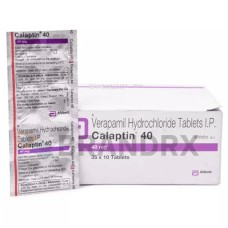
Understanding the Verapamil Category: Mechanism and Key Features
The Verapamil category encompasses a range of medications primarily designed to manage cardiovascular conditions such as hypertension, angina, and certain heart rhythm disorders. Products within this category function as calcium channel blockers, which means they inhibit the influx of calcium ions into cardiac and smooth muscle cells. This action results in the relaxation of blood vessels, slows the heart rate, and reduces the force of contraction, providing effective relief from various heart-associated issues.
Common to all products under the Verapamil category, these medications typically take the form of tablets or capsules and can be divided into immediate-release and extended-release formulations. Extended-release options allow for a sustained effect throughout the day, enabling patients to maintain steady blood pressure levels without the need for frequent dosing. Users can expect significant improvements in symptoms like chest pain and an overall decrease in blood pressure, making these medications an integral part of cardiovascular health management.
Diverse Forms and Types of Medications
In the realm of Verapamil medications, there are several forms available that cater to different treatment needs and patient preferences. Immediate-release formulations are designed for quick response, suitable for acute episodes of angina, while extended-release versions are ideal for long-term management, providing a steady release of the active ingredient over an extended period.
Additionally, Verapamil can also be found in combination products that may include other antihypertensive agents, enhancing its effectiveness in managing blood pressure and heart rate. The variety of available forms allows healthcare providers to tailor treatments to individual patient circumstances, ensuring the most effective and convenient therapy is selected.
Why Choose Verapamil Over Other Medications?
When comparing Verapamil to other categories of cardiovascular medications, its unique mechanism of action stands out. While many alternatives may focus solely on adjusting blood pressure or heart rate, Verapamil provides a comprehensive approach by addressing both aspects simultaneously. This dual action can be especially beneficial for patients suffering from conditions like angina and atrial fibrillation.
Furthermore, the flexibility in dosing with Verapamil allows for personalized treatment plans that can be adjusted over time, unlike some medications that may require more rigid adherence to dosage schedules. This adaptability makes Verapamil a favorable choice for many patients seeking an effective solution for their heart-related concerns.
Long-Term Effects and Safety Considerations
Long-term use of Verapamil can lead to substantial benefits, including improved heart function and reduced risks of complications associated with chronic hypertension. Many users experience an enhanced quality of life with fewer episodes of angina and better overall cardiovascular health. However, it is essential to consider contraindications. Verapamil is not suitable for individuals with specific heart conditions, like severe bradycardia or advanced heart block, without a pacemaker. Additionally, patients who are pregnant, nursing, or have known sensitivities should consult their healthcare providers prior to initiating therapy.
Long-term users should also be aware of possible side effects, which may include dizziness, constipation, and swelling in the extremities. Regular check-ups with a healthcare professional can help monitor any adverse reactions and ensure the ongoing appropriateness of treatment.
Practical Tips for Selecting and Using Verapamil Products
When considering Verapamil, it is crucial to consult with a healthcare provider to determine the most appropriate formulation and dosage based on individual health needs. Patients should openly discuss their medical history, current medications, and any existing health conditions to receive the best recommendations.
Once prescribed, adherence to the dosing schedule is vital for achieving optimal results. Patients should avoid missing doses, and if they do, they should not double up but rather follow their healthcare provider's guidance on when to take the next dose. Keeping a record of blood pressure measurements can also be beneficial for tracking progress and communicating effectively with healthcare professionals during follow-up appointments.
In conclusion, the Verapamil category represents a crucial component in the management of cardiovascular health, offering unique benefits and a diverse range of options tailored to meet the needs of various patients. With appropriate medical guidance, Verapamil can significantly enhance patient outcomes and quality of life.