
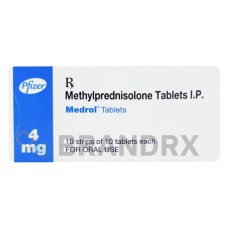
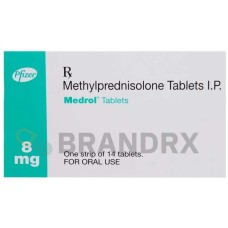

Understanding Methylprednisolone and its Uses
Methylprednisolone is a corticosteroid medication commonly prescribed to alleviate inflammation and suppress immune system responses. Patients seeking this medication typically aim to manage various conditions, including asthma, arthritis, allergic reactions, and autoimmune disorders. However, many individuals may misunderstand its purpose, believing it to be a cure-all for any ailment or a quick fix for chronic conditions. Methylprednisolone is not a replacement for comprehensive medical care or lifestyle changes but rather a crucial component of a broader treatment plan tailored to individual health needs. It is important to utilize this medication under the guidance of a healthcare provider who can monitor its use and adjust dosages accordingly.
Mechanism of Action and Key Parameters
The effectiveness of Methylprednisolone derives from its ability to mimic the actions of naturally occurring hormones in the body, specifically glucocorticoids, which play critical roles in regulating inflammation and immune responses. Upon administration, Methylprednisolone works by binding to specific receptors within cells, prompting changes in gene expression that ultimately reduce the production of inflammatory mediators. Key parameters that influence its efficacy include dose, duration of treatment, and the timing of administration, all of which must be carefully managed to maximize benefits while minimizing potential side effects. The form in which Methylprednisolone is delivered, whether orally, via injection, or as a topical treatment, also heavily influences its absorption and overall effectiveness in addressing the patient's condition.
Methylprednisolone Compared to Other Medications
To fully appreciate Methylprednisolone's role in treatment, it is essential to compare it with other categories of medications that address similar health issues. For instance, while Methylprednisolone is effective for managing inflammation, non-steroidal anti-inflammatory drugs (NSAIDs) serve a similar purpose with different mechanisms of action and side effect profiles. Another category includes other corticosteroids, such as prednisone, which also target inflammatory conditions but may have varying potencies, side effects, and durations of action. Understanding these differences is critical for patients and healthcare providers in choosing the most appropriate medication based on the specific condition being treated and the individual patient’s needs.
Limitations and Professional Guidance
It is vital to recognize that while Methylprednisolone can provide significant relief from a variety of conditions, it is not without limitations. Patients are advised to be aware of the potential for side effects, including increased susceptibility to infection, changes in mood or behavior, and potential long-term complications such as osteoporosis or adrenal insufficiency with prolonged use. Certain conditions may preclude the use of Methylprednisolone, such as systemic fungal infections or known allergies to the medication. Engaging in a thorough consultation with a healthcare provider is paramount not only to ensure that Methylprednisolone is an appropriate choice but also to establish a comprehensive treatment plan that considers all aspects of the patient's health.
Exploring the Methylprednisolone Category Page
This category page serves as a comprehensive resource for understanding Methylprednisolone, its applications, and its implications for health management. Visitors can explore detailed information about specific conditions treated with this medication, including insights on its usage, potential side effects, and necessary precautions. The page provides guidance on how to navigate related topics, including lifestyle adjustments to enhance treatment effectiveness and the importance of regular monitoring during therapy. Utilizing the search feature or browsing through related articles can equip users with a well-rounded understanding of Methylprednisolone and empower them to make informed decisions concerning their treatment options.