

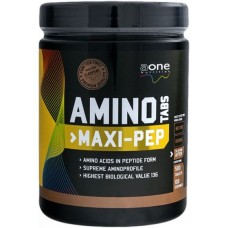

Buy Amino acids in the USA
Amino acids are the building blocks of proteins and play a crucial role in numerous biological functions ranging from muscle repair to overall metabolic health. Individuals aiming to enhance their physical performance, promote muscle growth, or support recovery after workouts often seek to buy amino acids to harness their benefits. This category of products typically comes in various forms such as powders, capsules, and tablets, each with its own benefits. Powders might dissolve more quickly in liquids for rapid absorption, while capsules and tablets offer convenience and portability.
When you order amino acids online, you gain access to a myriad of options tailored to specific needs, allowing one to select formulations that can target particular health or performance goals. Expected effects include improved muscle recovery, increased endurance, and reduced exercise-induced muscle fatigue. The products in this category are particularly intended for athletes, fitness enthusiasts, and anyone looking to optimize their bodily functions for better physical outcomes. The density and purity levels of amino acids can drastically influence their effectiveness, with higher-quality sources providing more predictable progress in muscle development and recovery effects.
How to structure practical use
Understanding the half-life period of amino acids is essential for effective supplementation. Most amino acids have a half-life ranging from 30 minutes to several hours. For optimal results, one may consider splitting the daily dosage into two or more intakes throughout the day, especially around workout times to enhance muscle synthesis and recovery. It is advisable to take amino acids in conjunction with carbohydrates and proteins; this combination facilitates better absorption and utilization within the body.
To minimize gastrointestinal discomfort, it may help to start with a lower dosage and gradually increase it. This approach allows the digestive system to adapt to the introduction of amino acids. Maintaining a stable concentration in the bloodstream is crucial for maximizing the benefits; hence taking them consistently is encouraged. For individuals engaging in high-intensity training or those aiming for muscle gain, taking amino acids approximately 30 minutes before and immediately after workouts can maximize muscle recovery and growth.
Duration and working ranges
The standard duration for an amino acid supplementation course typically spans 4 to 8 weeks, depending on individual goals and fitness levels. During this time, users can expect noticeable improvements in muscle recovery, enhanced endurance, and overall performance metrics. For beginners, a recommended dosage generally starts at 10 grams per day; however, seasoned athletes may utilize doses ranging from 15 to 30 grams daily, aligned with their training intensity and nutritional needs.
It is vital to gradually increase dosage to assess tolerance and effectiveness. Numerous factors, including exercise routines, sleep quality, and overall nutrition, can affect the effectiveness of amino acids. Regularly adjusting intake based on personal progress ensures optimal results while minimizing adverse effects. Users should also consult professionals to fine-tune their dosage based on these variables. Anyone looking to maximize the benefits of their amino acid supplementation should prioritize a well-structured regimen tailored to their unique training and nutrition plan.
State monitoring and expected dynamics
For those considering long-term amino acid supplementation, lab monitoring is crucial to ensure safety and effectiveness. Key indicators should be routinely evaluated to gauge the user’s health and the supplementation's impact, including liver enzymes, hemoglobin levels, and blood pressure readings. Ideally, first results can be expected to appear within 2 to 4 weeks, often manifesting as improved recovery times and increased training capacity.
After completing the supplementation course, it is vital to maintain the positive results achieved. Strategies such as continued focus on nutrition, hydration, and balanced training can support this. Additionally, implementing a post-cycle therapy plan can be beneficial in restoring baseline levels of amino acids and other nutrients in the body, which helps sustain gains obtained during supplementation.
Monitoring during intense training
Monitoring health indicators while undergoing intense training is essential for maximizing performance and safeguarding wellbeing. Keeping a detailed indicators diary can assist in tracking progress and identifying any negative symptoms that may arise. Key symptoms that require immediate attention include significant fatigue levels beyond usual after workouts, unusual shortness of breath during exercise, unexpected weight fluctuations, and digestive disturbances.
Should any of these symptoms appear, it is crucial to consult with a healthcare professional promptly. Caution is advised when combining different amino acid products or stacking with other supplements, as interactions may lead to unwanted side effects.
Safety and results when using Amino acids
When embarking on a new supplementation regimen, especially one involving amino acids, conducting a thorough health check is always advisable to determine suitability and necessity. Important contraindications to consider before use include liver function disorders, cardiovascular conditions, any oncological concerns, pregnancy and breastfeeding, an age below 21, and potential individual intolerance to specific amino acids or their sources.
Consultations with healthcare professionals should involve discussions surrounding required examinations such as blood tests for liver function and overall metabolic health. Ensuring safety alongside the effectiveness of amino acid supplements necessitates a comprehensive approach that encompasses monitoring and adjustments throughout the course of use. This diligence not only draws attention to potential health risks but also supports the optimization of performance and results in a structured manner, emphasizing responsible practices throughout the supplementation process.