
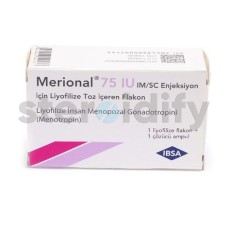
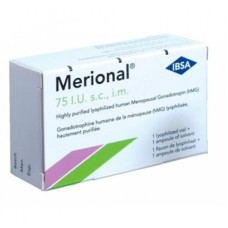
Understanding Menotropins: Key Characteristics and Functionality
Menotropins represent a unique class of medications primarily used in fertility treatments and ovulation induction. These products unite under a common foundation: they are derived from the urine of postmenopausal women and contain both follicle-stimulating hormone (FSH) and luteinizing hormone (LH). These hormones are essential for the development of ovarian follicles, the maturation of eggs, and the regulation of the menstrual cycle. The complexity of human reproduction necessitates a product like Menotropins, which can effectively stimulate ovarian response in women who are struggling with infertility.
The key characteristics of Menotropins include their dual hormone composition, which enhances their effectiveness in promoting follicular growth. They are commonly administered through injections, allowing for precise dosing and direct delivery into the bloodstream. This characteristic is crucial, as it ensures that the medication can work quickly to elicit the desired physiological responses. Overall, the standardization and effectiveness of Menotropins provide a reliable option for healthcare providers and patients seeking to improve their chances of conception.
Forms and Availability of Fertility Treatments
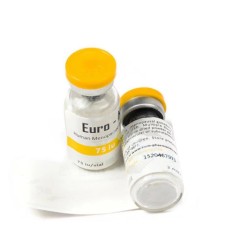
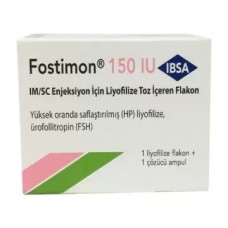
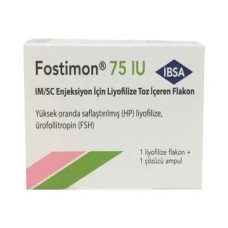
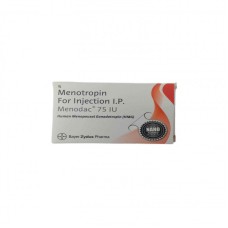
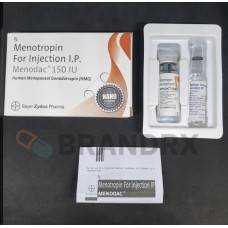
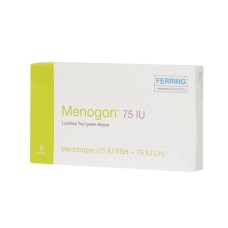
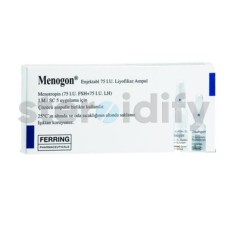
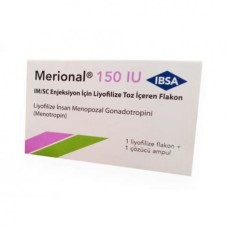
Products in the Menotropins category are available in several formats, tailored to meet the various needs of patients undergoing fertility treatments. Typically, these medications are found in injectables, either as single-dose vials or multi-dose vials. The injectable form is essential as it allows healthcare providers to accurately administer the correct dosage based on an individual's treatment plan.
Moreover, Menotropins are often packaged in combination with other medications to enhance their fertilization capabilities. Some products may offer pre-mixed preparations for ease of administration, while others might require reconstitution before use. This variety allows healthcare professionals to customize treatment plans suited to the unique physiological conditions of each patient. In essence, the availability of these forms ensures that patients have access to the most effective and suitable options in their fertility journeys.
Why Choose Menotropins Over Other Fertility Treatments?
When it comes to fertility treatments, Menotropins offer distinct advantages that set them apart from other related categories such as gonadotropins or Clomiphene Citrate. Unlike other medications that may only contain FSH or LH, Menotropins provide a balanced blend of both hormones, leading to a more robust stimulation of the ovarian response. This dual action is particularly beneficial for women with certain types of infertility, such as anovulation or unexplained infertility, where comprehensive hormonal support is needed.
Moreover, Menotropins offer a higher success rate in helping patients achieve pregnancy compared to some other hormonal treatments. The tailored dosing available through healthcare providers, along with the ability to monitor ovarian response via ultrasounds, allows for a more personalized and effective approach to fertility management. As such, choosing Menotropins can enhance the probability of not only ovulation but also successful fertilization and implantation.
The Long-Term Effects and Considerations of Menotropins
The long-term benefits of using Menotropins can include successful pregnancies, leading to the birth of healthy children. However, like any medication, there are important considerations regarding their use. Some potential long-term effects may include ovarian hyperstimulation syndrome (OHSS), which can occur if too many follicles are stimulated. This condition can lead to abdominal pain, bloating, and in severe cases, it may require medical intervention.
Certain populations should exercise caution when considering Menotropins. Pregnant women are advised against using these medications due to the potential risks to both mother and child. Additionally, individuals under the age of eighteen, as well as those with underlying health issues such as certain types of cancers or severe heart conditions, should consult their healthcare provider before starting Menotropins. A thorough medical evaluation is critical in determining the suitability of this treatment option for specific individuals.
Practical Advice for Choosing and Using Menotropins Effectively
Choosing the right Menotropins product requires careful consideration and guidance from healthcare professionals. It’s essential to start with a detailed consultation where your medical history, ovarian reserve, and specific fertility goals are discussed. This comprehensive evaluation will help in selecting the appropriate dosage and formulation that suits your unique needs.
Once you start using Menotropins, following the prescribed protocol is crucial. This includes adhering strictly to injection techniques, maintaining a schedule, and keeping regular appointments for monitoring to assess response and make any necessary adjustments to the treatment. It's also vital to be aware of potential side effects and report any unusual symptoms to your healthcare provider promptly. By understanding the product and committing to the treatment plan, you can maximize your chances of achieving a successful outcome in your fertility journey.