

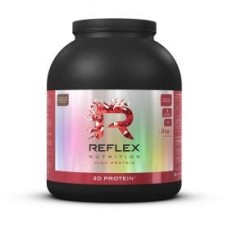
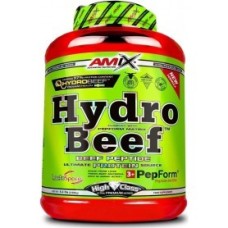
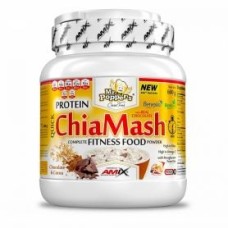
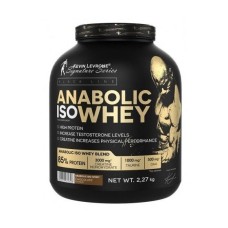
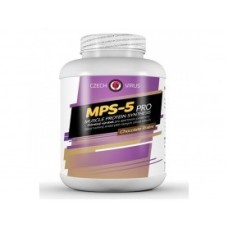
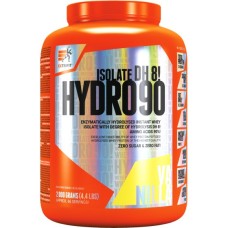
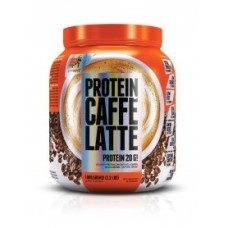
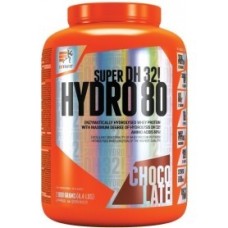
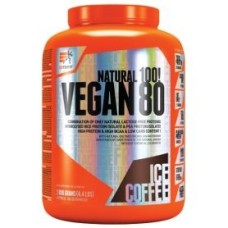
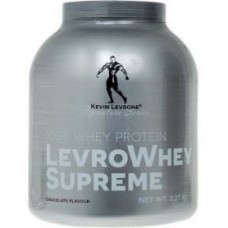
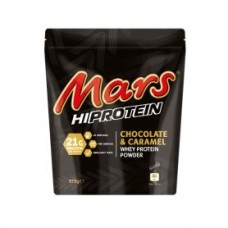
Understanding the Protein Category: What Unites Our Products
The Protein category is centered on products designed to enhance your protein intake, an essential nutrient for various bodily functions. What unites all products in this category is their primary role in muscle repair, growth, and overall health maintenance. Protein is a crucial macronutrient that contributes to the structure of cells, hormones, enzymes, and various other bodily compounds. Whether you are an athlete looking to build muscle, a fitness enthusiast aiming to maintain a healthy diet, or someone on a weight loss journey, protein plays a pivotal role in meeting your nutritional needs.
Key features common to all protein products include their high concentration of amino acids, the building blocks of protein, which support muscle recovery and growth. Additionally, these products are engineered to provide easy and convenient ways to incorporate protein into your daily diet, often coming in various forms that can be easily added to meals or consumed on-the-go. The effectiveness of these products largely stems from their ability to deliver essential nutrients without unnecessary calories or fats, making them a favorite among those who prioritize health and fitness.
Forms of Protein Products
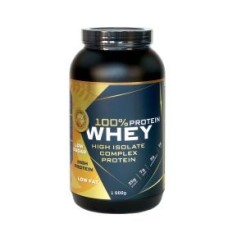
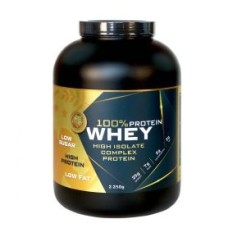
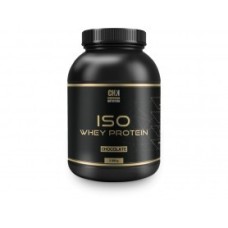
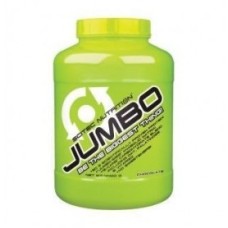
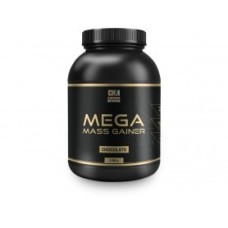
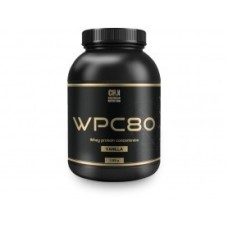
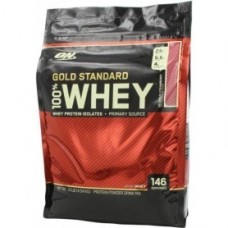
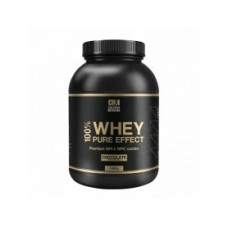
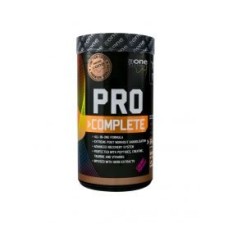
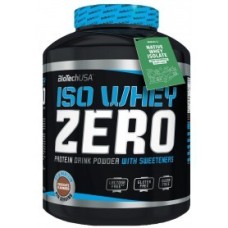
The Protein category encompasses a variety of forms that cater to different preferences and dietary needs. The most common types include protein powders, bars, and ready-to-drink protein shakes. Protein powders, made from whey, casein, soy, pea, or hemp, are popular due to their versatility and convenience. They can be mixed with liquids or other foods, allowing users to customize their intake based on personal taste and dietary requirements.
Protein bars offer a portable option for those on the move, providing a quick and satisfying snack that contributes significant protein content. Meanwhile, ready-to-drink protein shakes combine convenience with nutrition, delivering a balanced intake of protein without the need for preparation. Other types include protein-packed snacks and meal replacements, which can serve as alternatives for those looking to increase their protein intake while managing calorie consumption.
How Protein Differs from Other Categories
What sets protein products apart from offerings in other categories is their specific role in facilitating muscle growth, repair, and overall health. While many dietary supplements focus on vitamins, minerals, or weight management, protein products target the fundamental building blocks of the body. They are especially vital for individuals engaged in physical activities or strength training, as they replenish the protein stores depleted during exercise.
Moreover, protein has a satiating effect, which can aid in appetite control and contribute to a feeling of fullness over extended periods. This distinct quality often makes protein products a preferred choice for those looking to achieve weight loss or management goals. Unlike certain carbohydrate or fat-based supplements, protein supports the preservation of lean muscle mass, ensuring that users can achieve their fitness objectives effectively.
Long-Term Effects and Considerations for Use
The long-term effects of incorporating protein products into your diet can be significantly beneficial. Regular protein intake supports muscle maintenance, enhances recovery times, and may even promote metabolic health. Studies suggest that an increased protein diet can help with weight management and improve overall body composition.
However, it is important to consider certain contraindications. For instance, individuals with pre-existing kidney issues should exercise caution when increasing protein consumption, as the kidneys are tasked with filtering waste products from protein metabolism. Pregnant women and children are also recommended to consult healthcare professionals before significantly increasing protein intake, ensuring it aligns safely with their nutritional needs. Additionally, individuals with specific dietary restrictions, such as vegans or lactose intolerant individuals, should opt for plant-based protein options and consult healthcare providers for balanced dietary advice.
Practical Advice for Choosing Protein Products
Starting your journey with protein products can be a transformative step in achieving your health and fitness goals. When choosing a protein product, consider factors such as your personal dietary preferences, the source of protein, and the specific goals you wish to achieve. For instance, whey protein is favored for its rapid absorption, making it an excellent post-workout choice, whereas casein offers a slow release of amino acids, ideal for individuals seeking sustained protein delivery.
It is also crucial to examine the ingredient list and nutritional profile of the products. Look for options with minimal added sugars and artificial ingredients to ensure that you are making a health-conscious choice. Additionally, starting with smaller doses can help your body adjust, and it is advisable to pair protein intake with a balanced diet rich in vegetables, fruits, and whole grains for optimal health benefits.
Ultimately, consulting with a healthcare provider or nutritionist can help tailor your protein use to best fit your individual health needs and lifestyle, ensuring long-term success in your nutritional journey.