
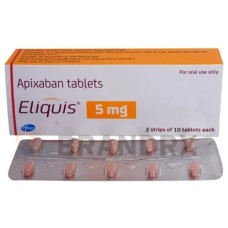
Apixaban: Overview and Main Purpose
Apixaban is a prescription medication classified as a direct oral anticoagulant (DOAC). Its primary purpose is to prevent and treat thromboembolic disorders, such as deep vein thrombosis (DVT) and pulmonary embolism (PE), as well as to reduce the risk of stroke and systemic embolism in individuals with non-valvular atrial fibrillation. By inhibiting Factor Xa, an enzyme essential for the blood coagulation process, Apixaban effectively reduces the formation of blood clots, providing a safer alternative to traditional anticoagulants. This medication represents a significant advancement in the management of various thromboembolic conditions, allowing for easier administration and improved patient compliance.
Typical Users and Contexts of Use
Apixaban is typically prescribed for adults, especially those with specific cardiovascular conditions, including atrial fibrillation, which can lead to increased risks of stroke. It is often utilized by patients who have experienced prior blood clotting events, such as DVT or PE. In addition, Apixaban is also indicated for individuals undergoing hip or knee replacement surgeries, as these patients are at a higher risk for clot formation during recovery.
Healthcare providers often recommend Apixaban for patients who may benefit from an oral anticoagulant that requires less frequent monitoring compared to older medications like warfarin. It is favored in outpatient settings, contributing to its accessibility for patients who prefer not to have frequent blood tests. Nevertheless, it is crucial for patients to be screened for contraindications and to have a thorough understanding of their medical history before starting treatment.
Strengths and Distinguishing Characteristics of Apixaban
Apixaban offers several strengths and distinguishing characteristics when compared to other anticoagulants. First and foremost, its unique ability to provide consistent anticoagulation effects with predictable pharmacokinetics distinguishes it from traditional vitamin K antagonists. Unlike warfarin, Apixaban does not require routine monitoring of blood coagulation levels, making it convenient for patients and healthcare providers alike.
Additionally, Apixaban has a lower risk of major bleeding complications compared to some alternative anticoagulants, which can be particularly beneficial for elderly patients or those with due comorbidities. The medication exhibits a rapid onset of action; patients may experience the full therapeutic benefits within hours of administration. Furthermore, Apixaban is available in a fixed dosage, which simplifies the treatment regimen and enhances adherence.
Benefits of Apixaban
Apixaban comes with several key advantages, making it a popular choice among healthcare professionals and patients alike. Here are the main benefits:
- Reduced need for frequent blood testing or monitoring, offering greater convenience and freedom.
- Rapid onset and offset of anticoagulation effects, allowing for timely management of thromboembolic events.
- Lower risk of major bleeding compared to traditional anticoagulation therapies.
- Fixed dosing with no requirement for dietary restrictions, which simplifies patient adherence.
- Effective in a wide range of thromboembolic conditions, enhancing its applicability across various patient populations.
Considerations Before Choosing Apixaban
While Apixaban offers numerous benefits, it is essential for both patients and healthcare providers to consider specific factors before initiating treatment. Some important considerations include the possibility of drug interactions, particularly with other anticoagulants or medications that affect liver enzymes. Patients should inform their healthcare providers of any medications they are currently taking to evaluate potential interactions and adjustments in therapy.
Additionally, specific contraindications such as active bleeding disorders, severe renal impairment, and known hypersensitivity to Apixaban or any inactive ingredients present in the formulation should be thoroughly assessed. Also, proper assessments should be made for patients with a history of major bleeding events, as the risk may outweigh the potential benefits. Regular follow-ups and consultations with healthcare professionals are crucial for optimizing treatment outcomes while mitigating risks. By maintaining open communication and working closely with their healthcare team, patients can better navigate the complexities of anticoagulation therapy and ensure safe and effective treatment with Apixaban.