
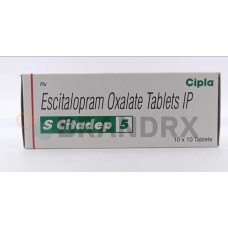
Understanding the Escitalopram Category
Escitalopram is a prominent medication that falls under the category of selective serotonin reuptake inhibitors (SSRIs). It primarily aims to alleviate symptoms of anxiety and depression by increasing serotonin levels in the brain. All products within this category share a common mechanism of action, which involves the inhibition of serotonin reuptake in the synaptic cleft. This leads to enhanced mood regulation and improved emotional well-being. The key features of Escitalopram products include their efficacy in treating major depressive disorder, generalized anxiety disorder, and anxiety symptoms, all while presenting a relatively favorable side effect profile compared to other antidepressants.
Types and Forms of Escitalopram
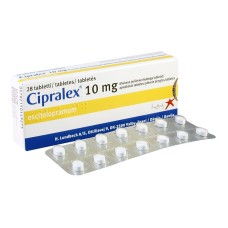
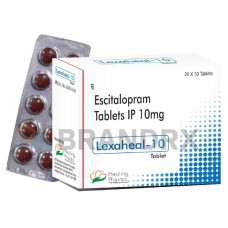
Escitalopram is available in several forms to accommodate different patient needs. The most common forms include oral tablets and oral solutions. The tablets typically come in various strengths, allowing healthcare providers to tailor dosages according to individual response and tolerance. The oral solution forms offer an alternative for those who may have difficulty swallowing tablets, ensuring that a broader range of patients can access treatment. Additionally, some pharmaceutical companies may offer generic versions, providing cost-effective options for patients without compromising on quality.
Why Choose Escitalopram Over Other Options
What sets Escitalopram apart from other medications in similar categories is its specific focus on serotonin reuptake inhibition and its fast onset of action. Unlike some of its counterparts, which may take weeks to show noticeable effects, Escitalopram can often lead to improvements in mood and anxiety symptoms within just a few days of starting treatment. Furthermore, it has been shown to have a lower incidence of side effects such as sedation and weight gain, making it an appealing choice for many users. Patients looking for a reliable solution to their mental health challenges are encouraged to consider Escitalopram due to its strong clinical efficacy and manageable side effect profile.
Long-term Effects and Cautionary Considerations
Long-term use of Escitalopram has been associated with sustained remission of depressive and anxiety symptoms, providing substantial benefits for those struggling with chronic conditions. However, it is crucial to note that this category of medication is not suitable for everyone. Contraindications include individuals who are pregnant or breastfeeding, as well as those with a known hypersensitivity to the drug. Additionally, patients with certain pre-existing conditions such as bipolar disorder, liver disease, or those taking other medications that may lead to dangerous interactions should consult their healthcare provider before starting Escitalopram. By being aware of these considerations, users can make informed decisions regarding their treatment options.
Practical Advice for Using Escitalopram
When beginning treatment with Escitalopram, it is essential to follow the prescribed dosage regimen closely and communicate openly with healthcare providers about any side effects experienced. Starting at a lower dose may help mitigate adverse effects while allowing for an adjustment period. Patients should also consider incorporating supportive therapies, such as cognitive behavioral therapy (CBT), along with medication for a comprehensive approach to managing their symptoms. It’s advisable to engage in regular follow-ups with a healthcare professional to assess the effectiveness of the treatment and make necessary adjustments to the medication plan. Lastly, it is crucial to avoid abruptly stopping the medication, as this can lead to withdrawal symptoms; instead, any changes should be done under medical supervision.