
Sort By:
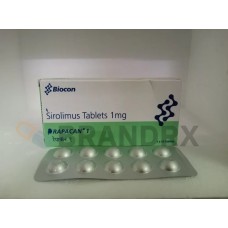
Description of Sirolimus and its main properties
Sirolimus, also known as rapamycin, is a macrolide compound that has gained attention in the field of sports pharmacology for its unique properties. Originally developed as an immunosuppressant for organ transplant patients, Sirolimus has distinct mechanisms that can enhance athletic performance. Its main functional properties include the inhibition of the mTOR (mammalian target of rapamycin) pathway, which plays a crucial role in cellular growth and metabolism. By modulating this pathway, Sirolimus can influence muscle growth and fat metabolism, offering athletes potential benefits in strength and endurance. In addition, Sirolimus is known for its ability to enhance recovery times after rigorous training sessions. Its effects on cellular repair and regeneration make it appealing to athletes looking to minimize downtime and maximize productivity in their training cycles. This category of sports pharmacology focuses on facilitating enhanced performance while considering safety and efficacy for users.How to select optimal dosage without mistakes
Selecting the optimal dosage of Sirolimus is critical for achieving desired results without adverse effects. General dosage guidelines suggest that beginners should start with a lower dosage to assess individual responses before gradually increasing to more optimal levels. Typical approaches may include a loading phase followed by a maintenance dosage that is tailored to the athlete’s specific needs. It is essential to consider individual factors such as body weight, training intensities, and overall health status when determining the most effective dosage. Close monitoring and adjustment based on performance outcomes and side effects are necessary to ensure safe and effective use. Athletes are encouraged to consult with a healthcare professional or a knowledgeable coach familiar with pharmacology to avoid missteps in dosage selection.Why athletes use Sirolimus
Athletes gravitate towards Sirolimus for several compelling reasons. One primary motivation is its potential to optimize muscle growth while promoting fat loss. This dual benefit can be particularly beneficial during cutting phases or when athletes are looking to refine their physique without sacrificing strength. Furthermore, the recovery-enhancing properties of Sirolimus appeal to athletes who engage in high-intensity training. By reducing recovery times, athletes can return to their training regimens sooner, potentially leading to improved performance outcomes over time. The minimalist impact on other hormonal systems compared to traditional anabolic agents is also a significant draw for many athletes who prioritize safety and compliance with doping regulations. Additionally, Sirolimus’s anti-inflammatory properties can contribute to improved joint health, making it a valuable addition to the training regimens of athletes involved in high-impact sports. These factors create a strong case for athletes seeking to enhance their performance, providing them with tools to push their limits safely and effectively.Who is not recommended to use this product
Despite its benefits, Sirolimus may not be suitable for everyone. Certain groups should avoid its use, including:- Individuals with compromised immune systems, as Sirolimus is an immunosuppressant and could exacerbate health issues.
- People with a history of liver disease, as Sirolimus metabolism occurs in the liver, and its use could lead to further complications.
- Pregnant or breastfeeding women, due to potential risks to fetal development or nursing infants.
- Individuals taking other medications that may interact adversely with Sirolimus, leading to enhanced side effects or reduced efficacy.