
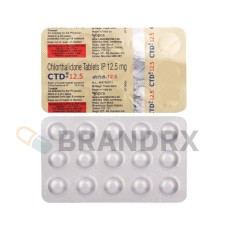
Understanding the Role of Chlorthalidone in Health Management
Chlorthalidone is a medication commonly prescribed to aid in the management of high blood pressure and fluid retention. Users typically aim to effectively control their hypertension levels and reduce the strain on their cardiovascular system. Misunderstandings often arise regarding the purpose and function of Chlorthalidone; some may view it solely as a diuretic without recognizing its additional benefits in promoting overall heart health. As a result, many individuals may not fully understand how it contributes to their treatment plans, resulting in confusion and potential non-compliance with prescribed regimens. Knowledge about the medication's multifaceted role is essential for users to achieve their health goals and to foster a more informed dialogue with healthcare providers.
Mechanisms and Parameters of Thiazide-like Diuretics
The internal functionality of Chlorthalidone revolves around its classification as a thiazide-like diuretic. It primarily works by inhibiting sodium reabsorption in the distal convoluted tubules of the kidneys, which leads to increased excretion of sodium and water. This mechanism effectively lowers blood volume, reducing blood pressure and alleviating fluid buildup in conditions such as edema. The effectiveness of Chlorthalidone is influenced by several parameters, including dosage, individual metabolism, and patient adherence to the prescribed regimen. Proper dosing is critical; too little may yield minimal results, whereas excessive doses can lead to dehydration and electrolyte imbalances. Thus, understanding the dynamics of dosage and the individual response to treatment are pivotal for achieving optimal results.
Comparative Overview of Diuretic Categories
When examining diuretics, it is crucial to contrast Chlorthalidone with other categories such as loop diuretics and potassium-sparing diuretics. Loop diuretics are often utilized for conditions requiring rapid fluid removal, such as acute heart failure, while potassium-sparing diuretics help maintain potassium levels during treatment. Each category operates on distinct physiological pathways and serves specific clinical indications. For instance, while Chlorthalidone is predominantly favored for chronic hypertension management, loop diuretics are frequently employed in more acute scenarios. Understanding these differences can assist patients and healthcare providers in making informed decisions regarding the most appropriate treatment regimes based on individual health conditions and needs.
Assessing Limitations and Need for Professional Guidance
Despite its effectiveness, Chlorthalidone is not without limitations and contraindications. Individuals with certain medical conditions, such as hypersensitivity to sulfonamides or severe renal impairment, may need to avoid this medication. Additionally, its use can lead to potential side effects, including electrolyte imbalances, dehydration, or changes in blood sugar levels. Therefore, it is crucial for patients to engage in thorough consultations with healthcare professionals before starting or adjusting their Chlorthalidone regimen. A healthcare provider can offer personalized advice, conduct necessary assessments, and monitor for potential complications, ensuring that each patient's treatment plan is both safe and effective.
Navigating the Chlorthalidone Resource Category
For individuals seeking to learn more about Chlorthalidone, this category page serves as a valuable resource. Here, users can find comprehensive information about the medication, its uses, dosing guidelines, and patient experiences. We encourage users to explore articles, fact sheets, and expert advice within this category. By taking the time to educate themselves about Chlorthalidone, patients can feel empowered in their treatment journey and collaborate more effectively with their healthcare team. Navigating this resource will enhance understanding and facilitate informed decision-making, ultimately leading to better health outcomes.