
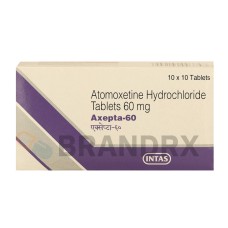
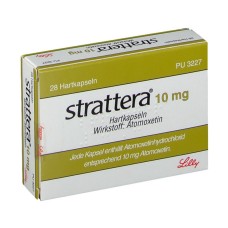
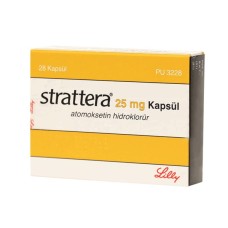
Atomoxetine: Understanding a Crucial Category in ADHD Treatment
Atomoxetine is a non-stimulant medication primarily used in the management of Attention Deficit Hyperactivity Disorder (ADHD). Unlike traditional stimulant medications, Atomoxetine works by selectively inhibiting the reuptake of norepinephrine, thereby enhancing attention and reducing impulsivity and hyperactivity in individuals with ADHD. Its unique mechanism of action allows for effective treatment without the stimulating side effects typically associated with amphetamines and other stimulant medications. Atomoxetine is a pivotal option for both children and adults seeking to manage the symptoms of ADHD effectively.
Typical Users and Contexts for ADHD Treatment
Atomoxetine is suitable for a variety of individuals diagnosed with ADHD, ranging from school-aged children and adolescents to adults. Typically, users are those who have experienced difficulties in academic, occupational, or social settings due to the symptoms of ADHD. Parents often seek Atomoxetine for their children when stimulant medications are not appropriate due to potential side effects, a history of substance abuse, or when the individual exhibits specific health conditions that contraindicate stimulant use. In adult populations, Atomoxetine may be prescribed to help maintain focus and organization in the workplace or in daily activities, enhancing overall quality of life. The medication is usually recommended as part of a comprehensive treatment plan incorporating behavioral therapy and lifestyle modifications to achieve the best results. Healthcare providers take into consideration the individual’s unique needs, side effect profiles, and personal history when determining the appropriateness of Atomoxetine.
Strengths and Distinguishing Characteristics of Atomoxetine
Atomoxetine possesses several distinguishing features that set it apart from other ADHD treatments. First, it is a non-stimulant, offering an alternative for individuals who do not respond favorably to stimulant medications. Second, it has a lower potential for abuse and dependency, making it an appealing choice for individuals with a history of substance misuse or those looking for a safer long-term treatment option. Third, Atomoxetine can be taken without regard to meals, providing users with flexible dosing options that easily integrate into daily routines. Additionally, the effects of Atomoxetine tend to be longer-lasting, with benefits potentially extending into the next day, which can be particularly advantageous for individuals seeking sustained symptom control. Unlike stimulants, Atomoxetine does not typically cause a 'rebound' effect, reducing the likelihood of adverse withdrawal symptoms when the medication is discontinued.
Benefits of Atomoxetine: A Balanced Overview
Atomoxetine offers several key advantages for those managing ADHD. Below are some significant benefits:
- Non-stimulant option: As a non-stimulant medication, Atomoxetine provides treatment to those who may be sensitive to stimulant side effects or at risk for substance abuse.
- Lower risk of addiction: Atomoxetine has a reduced potential for dependence or abuse compared to traditional stimulant medications.
- Long-lasting effects: The medication’s effects can provide sustained symptom relief lasting up to 24 hours, benefiting individuals who need consistent attention support.
- Convenient dosing: Atomoxetine can be taken without the constraints of mealtimes and is dosed once or twice daily, offering flexible management.
- Improved focus and organization: By enhancing norepinephrine levels in the brain, Atomoxetine helps improve concentration, organization skills, and task completion.
These advantages make Atomoxetine a practical and effective treatment component, often leading to improved performance in academic, occupational, and social settings.
Important Considerations Before Choosing Atomoxetine Products
Before opting for Atomoxetine, there are several important considerations to keep in mind. Firstly, Atomoxetine may not be suitable for individuals with certain medical conditions, such as severe cardiovascular disorders or a history of pheochromocytoma. Also, individuals with a known hypersensitivity to Atomoxetine should refrain from using this medication. Potential side effects may include gastrointestinal disturbances, sleep problems, fatigue, and mood changes. Therefore, it is crucial to have a comprehensive discussion with a healthcare provider about any pre-existing health conditions and medication history. Additionally, although the risk is low, monitoring for liver function is essential, as Atomoxetine can sometimes lead to liver-related complications. Always consider engaging in regular follow-up consultations to assess efficacy, adjust dosage, and address any emerging concerns. In summary, while Atomoxetine can be an excellent option for treating ADHD, thorough evaluation and careful management are paramount to ensure the best outcomes.