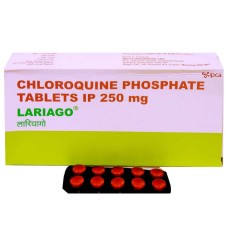
Understanding Chloroquine and Its Uses
Chloroquine is an antimalarial medication that has been used for decades to prevent and treat malaria, a life-threatening disease caused by parasites transmitted through the bites of infected mosquitoes. It has gained attention for its potential applications beyond malaria, particularly in the treatment of autoimmune diseases like rheumatoid arthritis and lupus. For typical users, the goals usually revolve around understanding how to effectively use Chloroquine, what conditions it addresses, and its potential side effects. However, there are common misunderstandings regarding its mechanism of action and the appropriateness of its use for various health conditions. Some believe that it is a cure-all for viral infections, a concept that arises from its recent media coverage, overshadowing its original primary use in combating malaria.
The Mechanisms of Chloroquine Action
Chloroquine works by interfering with the growth of parasites in the red blood cells. Its complex mechanism involves the alteration of the acidic environment within the parasite, thus affecting its metabolism and replication. This action is not exclusive to malaria: Chloroquine also exhibits immunomodulatory properties that can affect the immune system, making it a viable option for certain autoimmune disorders. Key parameters that matter when considering the use of Chloroquine include dosage, timing, and the specific health condition being treated. Users often overlook these aspects, focusing instead on anecdotal evidence or popular narratives.
In addition, the effectiveness of Chloroquine can be influenced by factors such as regional malaria strain resistance and the patient’s overall health profile. It is critical for users to understand that the drug is not universally effective for every type of illness and extensive clinical evidence supports its recommended uses.
Exploring Related Treatments and Their Principles
When discussing Chloroquine, it is important to compare it with adjacent treatments and therapies. For example, antimalarial medications such as Artesunate or Mefloquine also target malaria but operate through different biochemical pathways. Unlike Chloroquine, which inhibits the growth of malaria parasites by altering the pH in infected cells, these alternatives may utilize different mechanisms such as acting on different life stages of the parasite or targeting other cellular functions.
In the context of autoimmune diseases, other medications like hydroxychloroquine—which is related to Chloroquine—also works by altering immune responses but may have different side effect profiles and efficacy rates. Furthermore, where Chloroquine is often taken over longer periods for chronic conditions, alternatives may require different dosing regimens. Thus, recognizing these differences is essential for users seeking the most effective treatment for their specific needs.
Recognizing Limitations and Professional Consultation Necessity
While Chloroquine offers benefits, it is critical to acknowledge its limitations and contraindications. Not everyone is an ideal candidate for this medication. Individuals with specific health conditions such as pre-existing liver disease or certain cardiac conditions may experience heightened risks when using Chloroquine. Side effects, ranging from gastrointestinal issues to more severe reactions like retinal damage, necessitate a careful evaluation by a healthcare provider.
Moreover, patients should be aware that Chloroquine can interact with various other medications, causing unexpected complications. This highlights the importance of consulting with healthcare professionals prior to starting any course of treatment. A physician can provide a tailored approach, ensuring that Chloroquine is an appropriate option based on individual health circumstances and lifestyle.
Navigating the Category of Chloroquine and Related Information
For those interested in exploring Chloroquine and its potential applications, this category page serves as a comprehensive resource. Users are encouraged to delve into various aspects such as dosing information, potential side effects, and clinical studies supporting its use. It's also a good practice to seek out credible sources and authoritative medical advice to gain a well-rounded understanding of this medication.
From exploring dosage guidelines to reviewing user testimonials regarding experiences and outcomes, this page serves as an entry point for those looking to arm themselves with knowledge. Additionally, knowing how to navigate the complexities of Chloroquine will not only enhance user understanding but also foster informed discussions with healthcare professionals. Whether one is seeking treatment for malaria or looking into its use for autoimmune conditions, an informed approach can lead to safer and more effective outcomes.