
Understanding Ondansetron: Common Features and Mechanisms
The Ondansetron category encompasses a range of medical products primarily designed to prevent and treat nausea and vomiting. These products are utilized in various medical contexts, including chemotherapy, postoperative recovery, and radiation therapy. The central mechanism of action for Ondansetron products involves the selective antagonism of serotonin receptors, specifically the 5-HT3 receptor subtype. By blocking these receptors in the gastrointestinal tract and central nervous system, Ondansetron effectively reduces the sensation of nausea, thus providing relief to patients who are likely to experience emesis due to various triggers.
One of the standout features of this category is its rapid onset of action, which can significantly improve the quality of life for patients undergoing treatments that typically induce nausea. Additionally, the safety profile of Ondansetron is well-documented, making it a preferred choice among healthcare providers for those at risk of experiencing nausea. Whether used alone or in conjunction with other antiemetic therapies, Ondansetron products maintain a consistent efficacy across different patient demographics.
Forms of Ondansetron Products
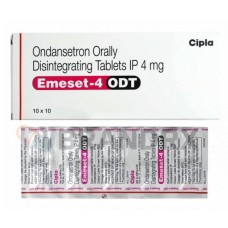
Ondansetron products are available in several delivery forms to accommodate the varied needs of patients. The most common forms include oral tablets, orally disintegrating tablets, injectables, and solution forms for intravenous administration. Oral tablets are often used for outpatient management, while the orally disintegrating tablet form allows for quick assimilation without the need for water, making it particularly useful for patients who may have difficulty swallowing or are experiencing significant nausea.
Injectable forms are typically employed in hospital settings, especially for patients receiving chemotherapy or those recovering from surgery, where immediate relief from nausea is critical. Each form of Ondansetron has been designed to ensure maximum bioavailability and rapid systemic absorption, tailored to various clinical scenarios. By offering these diverse formulations, the Ondansetron category aims to meet the specific needs of different patient profiles and treatment contexts.
Why Choose Ondansetron for Nausea Relief
What sets Ondansetron apart from other antiemetic medications is its specific mode of action and efficacy. Other categories of antiemetics may target different receptors or involve various mechanisms, which can result in differing side effect profiles and efficacy rates. Ondansetron's targeted approach makes it highly effective in treating nausea associated with chemotherapy and surgery, situations where traditional remedies may fall short.
Furthermore, patients have reported fewer side effects compared to other antiemetics, which often cause sedation or drowsiness. By choosing Ondansetron, patients can experience relief from nausea without the worry of impairing their ability to perform daily activities. This distinction is particularly important for patients determined to maintain their quality of life during challenging medical treatments. The proven reliability of Ondansetron solidifies its position as a robust option in the realm of nausea relief.
Long-Term Use and Contraindications for Ondansetron Products
While Ondansetron is generally safe and well tolerated, potential long-term users should consider certain contraindications before initiating treatment. Pregnant women, particularly during the first trimester, should approach the use of Ondansetron cautiously, as studies regarding its effects are ongoing. Additionally, children under a certain age or weight limit may face restrictions or require dosing adjustments, necessitating careful monitoring by healthcare professionals.
Patients with specific medical conditions, such as a history of cardiac issues, especially those related to arrhythmias, should consult their physician prior to using Ondansetron, as the medication has been associated with cardiac effects in some cases. Overall, while the long-term prospects of using Ondansetron can be favorable for many, it is essential to ensure individual health considerations are duly addressed. Regular follow-ups and monitoring can further enhance safe usage.
Practical Advice for Using Ondansetron Products
When considering the use of Ondansetron products, it is vital to consult with a healthcare provider to determine the most appropriate formulation and dosage based on specific treatment needs. Always adhere to the prescribed dosage and administration guidelines to optimize effectiveness and minimize potential side effects. If a patient is experiencing nausea, communicating any changes in severity or frequency to their healthcare team is crucial for possible adjustments in treatment strategy.
For those using oral forms, taking the medication at the same time each day can help establish a routine. Patients should also be aware of any possible drug interactions with other medications they may be taking, sharing their complete medical history with their healthcare provider. Ultimately, with the right approach, Ondansetron can prove to be a powerful ally in managing nausea and improving patient outcomes during difficult medical journeys.