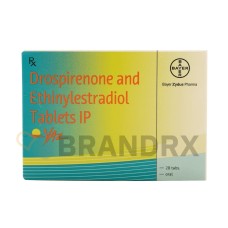
Understanding Drospirenone and Ethinyl Estradiol Usage
Drospirenone and Ethinyl Estradiol are components commonly found in oral contraceptives that women utilize for a variety of reasons. Many seek these medications to effectively prevent pregnancy, regulate menstrual cycles, reduce symptoms of premenstrual syndrome, or manage other hormonal imbalances. However, users often have misconceptions concerning the effects and risks associated with these hormones. A typical misunderstanding might be the belief that all hormonal contraceptives are the same or that they can be safely started without any prior medical consultation. In reality, the efficacy and side effects of Drospirenone and Ethinyl Estradiol can vary significantly depending on the individual’s health situation, lifestyle, and existing medical conditions.
Another common goal among users is to achieve a balance in managing conditions such as polycystic ovary syndrome or endometriosis. Users may expect quick results and become frustrated when immediate changes are not visible. It is essential to understand that while these medications can offer relief and effective regulation, the results might take time to become evident. Additionally, many users seek information to help make informed decisions while fearing the side effects, which can add to their confusion and uncertainty.
The Mechanism Behind Hormonal Contraceptives
Drospirenone and Ethinyl Estradiol work together by mimicking the natural hormones in a woman's body. Ethinyl Estradiol is a synthetic form of estrogen, while Drospirenone is a synthetic form of progesterone, aiming to create a cycle that prevents ovulation. This combination not only aids in preventing pregnancy but also plays a vital role in stabilizing the menstrual cycle, reducing heavy bleeding and alleviating discomfort associated with menstrual cramps.
When discussing hormonal balance, it is imperative to note how these hormones interact within the body. Factors such as metabolic rate, age, weight, and existing medical conditions all influence how individuals process and respond to these hormones. Therefore, determining the right dosage and the formulation is essential in achieving desired results. Some may experience side effects ranging from mild headaches to more severe complications. Recognizing how these hormones operate and understanding personal health is crucial to maximizing the benefits while minimizing risks.
Comparing Hormonal Contraceptives to Alternative Options
The category of hormonal contraceptives like Drospirenone and Ethinyl Estradiol sits alongside other methods of birth control, such as barrier methods and long-acting reversible contraceptives. However, what sets hormonal options apart is their mechanism of stabilizing hormones, offering additional benefits like symptom relief for conditions related to menstrual health. In contrast, barrier methods, while effective at preventing pregnancy, do not offer the same level of hormonal stability or symptom management.
Moreover, long-acting reversible contraceptives may provide a more consistent hormone release over time. Each type of contraceptive available has inherent merits and demerits. While hormonal options may come with the concern of side effects, other methods may lack the ease of use and rapid reversibility that hormonal options can provide. Understanding these distinctions can help users make an informed decision tailored to their specific health concerns and lifestyle needs.
Recognizing Limitations and Seeking Medical Guidance
It is crucial to understand the limitations and contraindications associated with the use of Drospirenone and Ethinyl Estradiol. Certain health conditions, such as a history of blood clots, high blood pressure, or specific types of cancer, may preclude a user from safely taking these medications. Side effects, while common, should be taken seriously. Symptoms such as chest pain, severe headaches, or unexpected bleeding warrant immediate medical attention.
Professional consultation is essential before starting any hormonal contraceptive medication. Healthcare providers can provide tailored advice based on a comprehensive medical history, lifestyle assessment, and specific symptoms. Users should always feel empowered to ask questions and address any concerns with their healthcare provider to ensure that they are making the best decision for their health.
Navigating the Category of Drospirenone and Ethinyl Estradiol
Exploring the category of Drospirenone and Ethinyl Estradiol requires an understanding of various subtopics, such as potential benefits, risks, available formulations, and patient experiences. For effective navigation, users can start by familiarizing themselves with the different indications for these medications and reviewing the common side effects.
Resources within this category can include articles that clarify frequently asked questions, guides to help assess personal health conditions and their relevance to these medications, and comparison charts that outline what specific formulations offer. Engaging with personal stories may also lend insight into how different individuals have managed their experiences with hormonal contraceptives. Utilizing these resources can empower users to make informed choices and consult with healthcare professionals confidently in their journey toward reproductive health and hormonal stability.