
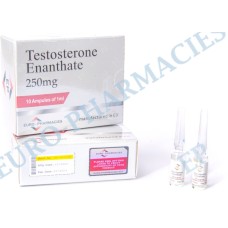
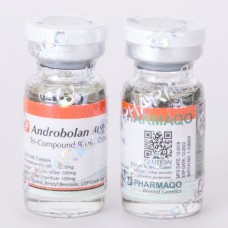

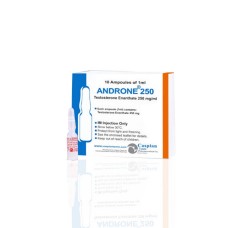




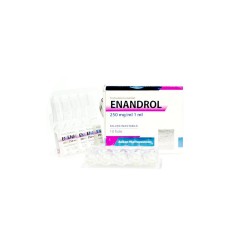
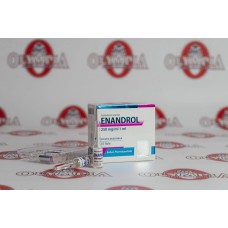

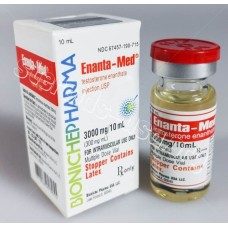

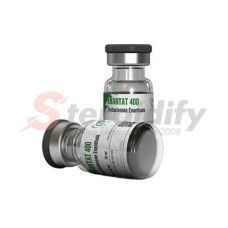
Testosterone Enanthate: An Overview of Its Purpose and Applications
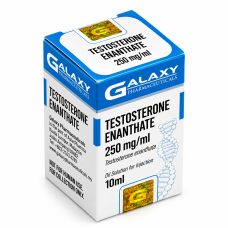
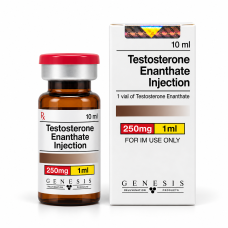
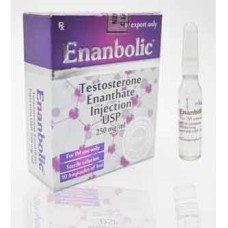
Testosterone enanthate is a synthetic version of the naturally occurring male sex hormone testosterone. As an anabolic steroid, it is primarily utilized in medical settings for hormone replacement therapy in men with low testosterone levels. This category of medication seeks to restore hormonal balance and mitigate the symptoms associated with testosterone deficiency, such as fatigue, low libido, and muscle loss. In addition to medical uses, testosterone enanthate is also popular among athletes and bodybuilders for its muscle-building capabilities, making it a product of interest in both therapeutic and performance-enhancing contexts.
Typical Users and Contexts of Use
The primary users of testosterone enanthate are men experiencing hypogonadism, a condition characterized by insufficient testosterone production due to various factors including aging, genetic conditions, or testicular issues. In clinical practice, testosterone enanthate is prescribed to restore hormonal levels to normal, which can improve quality of life significantly.
Beyond medical use, testosterone enanthate attracts individuals in the fitness and bodybuilding communities. Athletes may seek out this steroid to enhance muscle mass, strength, and recovery times, often as part of a broader regimen that includes other anabolic steroids. However, non-medical usage often falls outside legal and ethical boundaries, and individuals may face health risks and legal repercussions as a result of unsupervised use.
Distinct Strengths of Testosterone Enanthate
One of the primary strengths of testosterone enanthate lies in its long half-life, which allows for less frequent injections compared to shorter-acting testosterone esters. This convenience appeals to users looking for effective hormone therapy or muscle-building effects without the need for daily administration. Additionally, testosterone enanthate is known for its effectiveness in promoting significant gains in muscle size and strength, alongside improvements in overall energy levels and mood.
Compared to other testosterone formulations, such as testosterone propionate or cypionate, testosterone enanthate is often preferred for its steady release profile and balanced blood concentration levels. This stability minimizes the risk of hormonal fluctuations, promoting a smoother experience for those undergoing testosterone replacement therapy. Moreover, the popularity of testosterone enanthate in athletic circles is attributed to its relatively low conversion rate to estrogen, which can help mitigate some side effects associated with anabolic steroid use.
Benefits of Testosterone Enanthate
Testosterone enanthate offers several benefits for both therapeutic and performance-related purposes. Here are key advantages associated with its use:
- Effective Hormone Replacement: Restores testosterone levels in men with deficiencies, alleviating symptoms like fatigue and low libido.
- Enhanced Muscle Growth: Stimulates protein synthesis and promotes muscle hypertrophy, making it a popular choice for bodybuilders.
- Improved Energy Levels: Users often experience increased vitality and reduced fatigue due to elevated testosterone levels.
- Supports Bone Health: Helps maintain bone density and protect against osteoporosis, particularly in aging men.
- Boosted Mood and Cognitive Function: Many users report improvements in mood and mental clarity as testosterone levels are normalized.
Important Considerations Before Choosing Testosterone Enanthate
Before opting for testosterone enanthate, it is crucial to consider several factors to ensure safe and effective use. First and foremost, testosterone therapy should only be undertaken after thorough medical evaluation and confirmation of low testosterone levels. Self-prescribing or obtaining the substance without a medical professional’s guidance can lead to serious health risks, including hormonal imbalances and unwanted side effects.
Additionally, potential contraindications must be assessed. Conditions such as prostate cancer, breast cancer in men, or certain heart conditions can preclude the safe use of testosterone enanthate. Furthermore, individuals with a history of adverse reactions to anabolic steroids should approach this therapy with caution.
Ongoing monitoring by healthcare professionals is recommended to adjust doses appropriately and observe for potential side effects, ensuring a thorough approach to testosterone replacement therapy for better outcomes and overall health.