
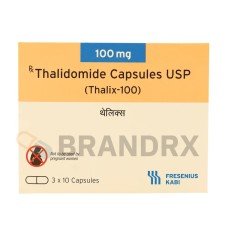
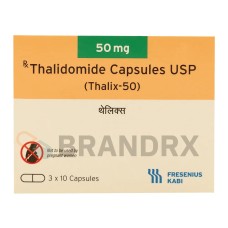
Characteristics of Thalidomide and its key properties
Thalidomide is a drug known primarily for its use in the treatment of various medical conditions, including certain cancers and inflammatory diseases. Initially introduced as a sedative and later withdrawn due to severe birth defects, Thalidomide has found a renewed purpose under strict regulations. It acts primarily as an immunomodulatory and anti-inflammatory agent, helping to modulate the immune system and suppress certain overactive immune responses. This makes it effective for conditions like multiple myeloma and erythema nodosum leprosum. Thalidomide's unique mode of action, combined with its ability to inhibit tumor necrosis factor alpha (TNF-α), contributes significantly to its therapeutic profile. Its ability to promote anti-inflammatory effects while modulating immune responses sets it apart in the pharmaceutical landscape.
Method of use and dosage
The use of Thalidomide must always be supervised by a qualified healthcare professional. Patients are often prescribed a specific dosage that varies based on individual health needs and the medical condition being treated. Typical dosing regimens may start low and increase gradually based on the patient’s response and tolerance. It is critical to adhere to the prescribed dosage and consultation, as improper use can lead to adverse effects.
Certain populations should avoid Thalidomide due to its teratogenic effects, meaning it can cause severe birth defects if taken during pregnancy. Therefore, women who are pregnant or planning to become pregnant should not use this medication. Additionally, it may be unsuitable for children, individuals with a history of blood clots, or those with certain organ impairments. It is essential to discuss any pre-existing medical conditions with a healthcare provider before starting treatment.
Forms and types of Thalidomide release
Thalidomide is available in various forms, mainly capsules and tablets. The choice of form depends on conveniency, patient preference, and medical advice. Its accessibility in different forms allows for a broader range of patients to effectively utilize the medication according to their specific treatment plans.
This category of products has proven beneficial for several user groups, particularly:
- Patients with multiple myeloma undergoing treatment.
- Individuals suffering from inflammatory conditions like leprosy.
- Patients in need of immunomodulatory therapy.
- People who have not responded well to traditional therapies.
- Individuals looking for options in advanced treatment protocols.
The benefits of Thalidomide include its unique mode of action, the ability to address treatment-resistant conditions, and its potential to improve quality of life for patients suffering from debilitating diseases.
How to choose a quality product
When selecting Thalidomide or any medication in this category, several criteria should be considered to ensure safety and efficacy. First, it is crucial to ensure that the medication is obtained from authorized pharmacies or manufacturers to avoid counterfeit drugs. Second, checking for quality assurance certifications and reviews from health authorities can provide additional peace of mind about the product's authenticity.
Practical aspects, such as how the medication is stored and its expiration date, should also be evaluated. Safe handling and adherence to storage recommendations help maintain the drug’s potency and safety. Always consult with a healthcare provider or pharmacist before making a purchase to guarantee appropriate therapeutic decisions.
Where to purchase Thalidomide in the USA
Purchasing Thalidomide in the USA is primarily done through licensed pharmacies that operate under stringent regulations regarding controlled substances. Patients can typically find this medication through specialized compounding pharmacies or established medical supply companies that facilitate prescriptions from certified healthcare providers.
Moreover, many healthcare institutions and oncology centers have systems in place for obtaining Thalidomide through direct healthcare channels. These avenues ensure that patients receive medications that not only adhere to safety standards but also come with professional guidance. The convenience of these options offers users the ability to access vital medications promptly, improving treatment compliance and outcomes.
Possible side effects and ways to minimize them
As with any medication, Thalidomide carries potential side effects, which can range from mild to severe. Common side effects include drowsiness, constipation, and peripheral neuropathy. Patients may also experience alterations in mood and sleep patterns due to the drug's effects on the neurotransmitters. Serious side effects can include thromboembolic events and serious birth defects if used during pregnancy.
To minimize risks, patients should follow their healthcare provider’s guidance meticulously. Regular monitoring and follow-up appointments can help track any adverse effects early on. Using Thalidomide with caution, avoiding use in contraindicated populations, and being aware of any additional health changes can contribute to safer treatment outcomes. Responsible use and open communication with healthcare teams are key components in managing the medication’s overall safety profile.