

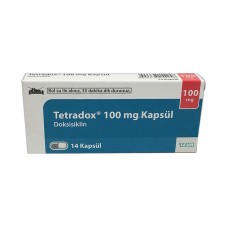
Understanding Doxycycline and Its Uses
Doxycycline is a versatile medication often prescribed for a variety of bacterial infections, acne, and even certain types of malaria. Many users seek doxycycline for its effectiveness against stubborn infections, but there are prevalent misunderstandings regarding its application and suitability. For instance, some individuals may assume that doxycycline can treat any type of infection, including viral infections, which it cannot. Such misconceptions can lead to improper use and ineffective treatment. A common goal for those considering doxycycline is to alleviate symptoms quickly and efficiently, or to seek a long-term solution for recurring conditions. It is essential to understand doxycycline's specific applications and limitations to use it safely and effectively.
Mechanism of Action and Classification
Doxycycline belongs to a class of antibiotics known as tetracyclines. Its primary function is to inhibit bacterial protein synthesis, leading to the eventual death of bacteria. It works by binding to the 30S ribosomal subunit of the bacteria, preventing them from growing and multiplying. This mechanism makes doxycycline effective against a wide range of pathogens, including those responsible for respiratory tract infections, urinary tract infections, and certain STIs. However, not all bacteria are susceptible to doxycycline, and resistance can develop, so it is vital to use this medication judiciously. Factors such as the specific bacteria type, the severity of the infection, and individual patient characteristics play a crucial role in determining its effectiveness.
Comparative Analysis with Other Antibiotics
When looking at the broader category of antibiotics, doxycycline behaves differently from other classes such as penicillins or macrolides. While penicillins target cell wall synthesis, thereby affecting the structural integrity of bacteria, doxycycline disrupts protein production, which is a vital process for bacterial growth and replication. This makes doxycycline suitable for specific infections where other antibiotics might be less effective. Moreover, its long half-life allows for less frequent dosing compared to other antibiotics. However, it is also essential to recognize that doxycycline's spectrum of activity and resistance patterns may not be suitable for everyone. For example, some patients may require more potent antibiotics for severe bacterial infections, making it crucial to understand these principles when choosing a treatment course.
Precautions and Considerations for Use
While doxycycline is a powerful antibiotic, it is not without its limitations and contraindications. Individuals who are pregnant, breastfeeding, or have a known allergy to tetracycline should avoid using doxycycline due to potential risks to fetal development and infant health. Additionally, those with certain medical conditions, such as liver disease or issues with sun sensitivity, should consult their healthcare provider before starting treatment. As with any medication, there is also the potential for side effects, ranging from mild gastrointestinal discomfort to more severe reactions like allergic responses. Professional consultation is crucial when considering doxycycline to ensure it aligns with individual health needs and circumstances.
Navigating the Doxycycline Category Page
For those seeking more information about doxycycline, the category page is structured to provide comprehensive insights and resources. Users can explore specific subcategories such as dosage guidelines, potential drug interactions, and patient testimonials. Whether you are looking for detailed scientific information, user experiences, or guidance on how to discuss doxycycline with a healthcare provider, the navigation tools are designed to help you easily find what you need. Using filters based on infection types or patient demographics can streamline your search and enhance your understanding of the medication. The goal is to empower users with knowledge and resources that facilitate informed healthcare decisions.