
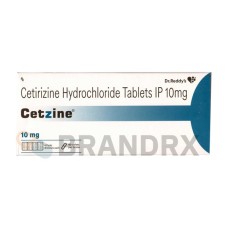

Understanding Cetirizine and Its Uses
Cetirizine is an antihistamine commonly used to alleviate allergy symptoms such as sneezing, runny nose, itchy or watery eyes, and itching of the throat or nose. Many people turn to Cetirizine for relief during allergy season and when exposed to allergens like pollen, dust mites, or pet dander. Common misunderstandings about Cetirizine include assumptions about its effectiveness and side effects. For instance, some may believe that taking a higher dose leads to quicker relief, while others underestimate its capacity to manage chronic allergy symptoms. Knowing how Cetirizine works can clarify these misconceptions. Unlike some antihistamines, Cetirizine is less likely to cause drowsiness, making it a popular choice for those who need to maintain alertness throughout the day.
Mechanics of Antihistamines
Antihistamines like Cetirizine operate by blocking the action of histamine, a substance in the body that is responsible for allergic symptoms. When allergens enter the body, histamine is released and binds to its receptors, leading to symptoms such as swelling, redness, and increased mucus secretion. Cetirizine specifically antagonizes the H1 receptor, thus preventing histamine from exerting its effects and helping to alleviate these symptoms. The effectiveness of Cetirizine can depend on several factors, including the timing of administration relative to exposure to allergens, the individual’s metabolic rate, and whether it is taken with food or on an empty stomach. Understanding these parameters can enhance the user experience and improve outcomes when using this antihistamine.
Cetirizine Compared to Other Allergy Medications
When considering allergy medications, it is essential to distinguish between first-generation and second-generation antihistamines. Cetirizine falls into the second generation category, which means it generally causes less sedation than first-generation options like diphenhydramine. When compared to corticosteroids or decongestants, Cetirizine specifically targets histamine-related symptoms rather than addressing inflammation or nasal congestion directly. Additionally, unlike nasal sprays that may require precise administration through the nasal passages, Cetirizine offers the convenience of oral dosage. Understanding these distinctions can help users choose the right type of medication for their specific allergy symptoms and lifestyle needs.
Limitations and Safe Use of Cetirizine
While Cetirizine is effective for many individuals, it is not suitable for everyone. Key limitations include potential drug interactions with other medications, especially those that also have sedative effects. Individuals with certain medical conditions, such as liver or kidney disease, should seek professional advice before using Cetirizine. It is also important for pregnant or breastfeeding women to consult healthcare providers regarding its use. Moreover, the medication may not be effective for all types of allergies, particularly food allergies or more severe reactions requiring immediate medical attention. Understanding these limitations is crucial for safe and effective use.
Navigating Information on Cetirizine
Exploring the category of Cetirizine can provide valuable insights and practical information. Users can find comprehensive details regarding dosage guidelines, potential side effects, interactions with other medications, and tips for maximizing efficacy. It is also beneficial to look for user reviews and experiences, as these can offer real-world perspectives on how well Cetirizine works for various individuals. Additionally, it is essential to recognize that while valuable, online resources should not replace professional medical advice. For those considering Cetirizine or any new medication, consulting a healthcare provider can help ensure optimal use tailored to individual health needs.