
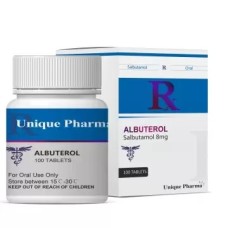
Buy Albuterol in the USA
Albuterol is a widely recognized medication primarily used for the treatment of respiratory conditions such as asthma and chronic obstructive pulmonary disease (COPD). Its primary function is to act as a bronchodilator, easing breathing by relaxing the muscles of the airways. The distinct advantage of Albuterol lies in its various delivery forms, including inhalers, nebulizers, and oral tablets, providing flexibility for patients based on their preferences and medical needs. The effects of Albuterol can be rapid, with improvement usually felt within minutes following administration, allowing individuals to regain control over their breathing. This category of products is tailored for individuals suffering from breathing-related ailments, athletes seeking improved exercise capacity, and those in need of enhanced pulmonary function. The predictable onset and duration of action make Albuterol a reliable option in managing respiratory health.
How to structure practical use
The half-life of Albuterol typically ranges from 3 to 5 hours, which informs how often it should be taken. For most patients, it is recommended to split the daily dose to maintain stable levels of the medication in the bloodstream, achieving optimal performance and relief. A common intake regimen might include two to four doses per day, depending on individual needs and the severity of symptoms. To achieve the best results and minimize gastrointestinal discomfort—such as nausea—it's suggested that users take Albuterol with food or light snacks. Additionally, those using inhalation methods should be aware that maintaining a stable concentration of the medication in their system is vital for its effectiveness. In scheduling doses, consistency is key; taking the medication at the same times daily can enhance its overall impact on health and well-being.
Duration and working ranges
The standard duration for a course of Albuterol typically ranges from 4 to 12 weeks, allowing sufficient time to observe its effects on respiratory function and exercise performance. During this period, patients usually experience significant improvements in their ability to breathe and engage in physical activities without discomfort. Dosage recommendations vary significantly based on a patient’s experience level; beginners might start with lower doses while more seasoned users could require higher amounts to achieve desired results. It's essential to increase the dosage gradually, as sudden spikes could lead to unwanted side effects. Factors influencing the effectiveness of Albuterol include individual training regimens, quality of sleep, and overall nutritional status. As with any medical treatment, adjustments may be necessary based on these variables to maintain the medication's efficacy and enhance wellness.
State monitoring and expected dynamics
Long-term use of Albuterol necessitates regular monitoring through lab tests to ensure safety and effectiveness. Key indicators that healthcare providers commonly assess include liver enzymes, hemoglobin levels, and blood pressure readings. Generally, patients may begin to notice results within 2 to 6 weeks of consistent use, although this can differ depending on individual metabolic responses. To maintain the benefits gained from Albuterol after the course concludes, a structured post-cycle therapy is often recommended. This approach may include other supportive medications or lifestyle modifications to reinforce the improvements made during the use of Albuterol. Proper monitoring helps to identify any adverse effects early, ensuring that patient safety remains a priority throughout the treatment process.
Monitoring during intense training
When engaging in intense training while using Albuterol, keeping track of health indicators is crucial. Maintaining a diary to log symptoms, physical performance, and any side effects can provide valuable insights into the medication's impact. Symptoms that necessitate attention include: 1) Unusual shortness of breath during exercises, 2) Increased heart rate or palpitations, 3) Persistent dizziness or lightheadedness, 4) Severe headaches that do not subside. It is vital to consult a healthcare professional if these symptoms arise, particularly when using multiple medications or supplements concurrently, to ensure safety and efficacy while minimizing risks associated with adverse interactions.
Safety and results when using Albuterol
Before starting Albuterol, a comprehensive health check is essential to assess individual risk factors and monitor health throughout the treatment. Contraindications for Albuterol use include various conditions that could exacerbate health risks. These contraindications are: 1) Liver function disorders, 2) Heart and vascular diseases, 3) Oncological conditions, 4) Pregnancy and the breastfeeding period, 5) Age under 21 years, 6) Individual intolerance or hypersensitivity to the medication. To ensure patient safety, it is recommended to conduct specific medical examinations, including liver function tests and cardiovascular evaluations, prior to commencing treatment. Understanding these factors ensures that individuals can make informed decisions regarding the use of Albuterol, maximizing its potential benefits while minimizing associated risks.