
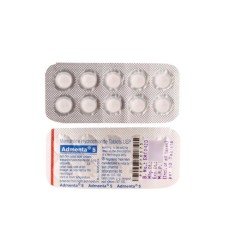
Understanding Memantine: Core Attributes and Mechanism of Action
Memantine is a unique medication primarily used in the treatment of moderate to severe Alzheimer's disease. This product category encompasses a range of formulations that share common principles of action and therapeutic characteristics. Memantine functions by modulating the activity of glutamate, a neurotransmitter in the brain associated with learning and memory. By blocking excessive glutamate activity, Memantine helps protect neurons from damage, which may lead to improved cognitive function and slowed progression of symptoms associated with Alzheimer's.
Common characteristics of all products within the Memantine category include their capacity to enhance overall cognitive abilities and their targeted approach to certain pathways in brain function. These products are generally well-tolerated, making them a viable option for long-term management of Alzheimer's-related symptoms. Each formulation is designed to offer a consistent efficacy profile while catering to the varying needs of patients.
Available Forms of Memantine Products
Products in the Memantine category are available in several types and formats, ensuring accessibility and convenience for users. The most common forms include oral tablets, oral solution, and extended-release capsules. Oral tablets are typically taken once or twice a day, offering versatility in dosing based on individual needs. The oral solution variant is especially beneficial for patients who may have difficulty swallowing pills, ensuring they receive the necessary medication efficiently.
Extended-release capsules provide a steady release of Memantine throughout the day, which can help maintain stable drug levels in the body and potentially enhance therapeutic outcomes. Additionally, these various forms allow healthcare providers the flexibility to tailor prescriptions according to patient preferences and requirements, ensuring that every individual has access to effective treatment options.
Key Differences between Memantine and Other Cognitive Enhancers
When comparing Memantine to other related categories of cognitive enhancers, several key differences stand out. Unlike cholinesterase inhibitors commonly used in Alzheimer's treatment, Memantine operates on a different neurotransmitter system, specifically targeting glutamate receptors. This distinction is crucial, as it allows Memantine to be effective even in patients who may have already experienced some degree of tolerance to other medications.
Furthermore, Memantine is often recommended for patients with moderate to severe Alzheimer's, where other treatments may not be as beneficial. Choosing Memantine provides a unique mechanism of action that specifically addresses neuroprotection and cognitive function in patients facing more advanced stages of the disease. By considering this product to meet their needs, users can benefit from a different approach that complements existing therapies, potentially leading to better overall outcomes in managing Alzheimer's disease.
Long-Term Effects and Considerations in Memantine Use
The long-term use of Memantine has demonstrated positive results in managing symptoms of Alzheimer's, with prospects of maintaining cognitive function and daily living capabilities. Studies suggest that patients who continue Memantine treatment may experience a slower decline in their cognitive abilities compared to those who do not. However, it is essential to consider potential contraindications. Memantine may not be suitable for pregnant women, minors, or individuals with specific medical conditions, such as severe renal impairment.
Moreover, users should consult their healthcare provider regarding any other medications they are taking, as potential drug interactions may affect co-administration. The safety profile of Memantine contributes to its overall acceptance in clinical practice, yet understanding these limitations is important for optimizing patient care and achieving desired therapeutic outcomes.
Choosing and Using Memantine Products Effectively
Selecting the right product from the Memantine category can significantly impact the effectiveness of treatment. Patients and caregivers should consider several factors when initiating Memantine use. Firstly, it is essential to consult with a healthcare professional who can provide guidance on the most appropriate formulation based on individual health status and treatment goals.
It is also crucial to adhere strictly to prescribed dosages and schedules to maximize therapeutic benefits. Patients should monitor for any side effects and communicate with their healthcare provider if changes in behavior or cognitive function are observed. Finally, maintaining open communication with caregivers, family members, and healthcare professionals can foster a supportive environment that enhances the treatment experience and overall quality of life for individuals using Memantine products. By following these guidelines, users can effectively integrate Memantine into their care plans, leading to improved management of symptoms associated with Alzheimer's disease.