





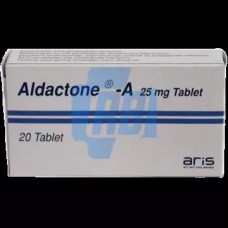

Understanding Diuretic: A Comprehensive Overview
Diuretics, often referred to as "water pills," are a class of medications primarily designed to promote the excretion of water and salts through urine. They are commonly used to manage various medical conditions, including hypertension, heart failure, and certain kidney disorders. The main purpose of diuretics is to reduce excess fluid in the body, help lower blood pressure, and alleviate symptoms associated with fluid retention. By increasing urine production, they can effectively reduce the workload on the heart and improve overall health in patients suffering from relevant medical conditions.
Adopting Diuretics: Typical Users and Applications
Diuretics are typically utilized by individuals managing conditions such as hypertension, heart failure, edema, and specific renal disorders. Patients with a history of high blood pressure are frequent users of diuretics, as they assist in regulating fluid levels and lowering elevated blood pressure readings. Additionally, diuretics are often prescribed to those dealing with congestive heart failure, where managing fluid retention is critical for improving heart function and reducing symptoms like shortness of breath. Athletes or individuals looking to temporarily reduce body weight before sports events might also turn to diuretics, although this should be approached cautiously due to potential side effects. It is essential that diuretics are used under medical supervision, as misuse can lead to severe health issues.
Unique Strengths of Diuretic Compared to Related Categories
Diuretics are distinguished from other medication categories like beta-blockers and ACE inhibitors primarily by their mode of action and specific therapeutic applications. While beta-blockers work by reducing the heart rate and decreasing the force of heart contractions, diuretics tackle issues caused by excessive fluid retention and high blood pressure through improved urinary output. Unlike ACE inhibitors, which primarily focus on relaxing blood vessels to lower blood pressure, diuretics promote the removal of excess fluids from the body, leading to a different set of physiological responses.
One of the main strengths of diuretics is their rapid action in expelling excess fluids, making them particularly effective during acute conditions requiring swift intervention. Additionally, they can be combined with other medications for a synergistic effect, thus enhancing their effectiveness in comprehensive treatment plans. This capability sets diuretics apart as a key tool in managing various health concerns related to fluid imbalance and hypertension.
Key Advantages of Diuretic
- Effective Management of Hypertension: Diuretics help lower high blood pressure by promoting the excretion of excess sodium and fluids.
- Reduction of Edema: They provide relief for individuals suffering from swelling due to heart failure, liver disease, or renal disorders.
- Improved Symptoms: Users often experience improved symptoms associated with congestive heart failure, such as reduced shortness of breath and swelling in extremities.
- Rapid Action: Diuretics act quickly, making them beneficial during acute medical interventions.
- Versatile Usage: They can be combined with other medications to optimize treatment strategies for different cardiovascular and renal conditions.
Important Considerations Before Choosing Diuretic Products
Before selecting diuretic products, it is crucial to consider several factors, including potential contraindications. Individuals with kidney issues, electrolyte imbalances, or specific allergies must approach diuretic usage carefully and under the guidance of healthcare professionals. Proper dosage and duration of diuretic use are essential to avoid adverse effects such as dehydration, low potassium levels, and other electrolyte disturbances. Users should also be aware that diuretics may interact with other medications, so comprehensive communication with a healthcare provider is vital for safety. Regular monitoring of blood pressure and kidney function may be required to ensure the safe and effective use of diuretics, emphasizing the importance of professional oversight in their administration.