
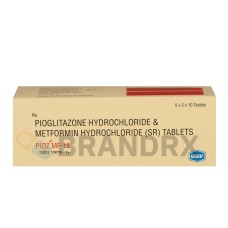
Understanding Pioglitazone, Metformin: A Comprehensive Overview
Pioglitazone and Metformin represent a significant advancement in the management of type 2 diabetes. This category of medications plays a crucial role for individuals struggling with insulin resistance and high blood sugar levels. Both drugs work synergistically to enhance the body’s sensitivity to insulin, reduce glucose production in the liver, and improve metabolic control. While Metformin primarily focuses on decreasing glucose production and increasing the uptake of glucose by muscles, Pioglitazone enhances insulin sensitivity and plays a role in fat metabolism. Together, they represent a pivotal solution for individuals aiming to manage their diabetes more effectively.
Intended Audience and Use Cases
The Pioglitazone and Metformin category is fundamentally designed for adults diagnosed with type 2 diabetes, particularly those who may not achieve optimal blood sugar control through lifestyle modifications alone. It serves as a therapeutic approach to not only balance blood sugar levels but also mitigate the risk of long-term complications associated with diabetes, such as cardiovascular diseases, neuropathy, and kidney issues.
Individuals who might benefit from this medication category include those who are overweight or obese, as weight management is often a significant challenge for people with type 2 diabetes. Additionally, this category is relevant to those who experience insufficient blood glucose control on diet and exercise alone. However, before initiating treatment with Pioglitazone and Metformin, it is crucial to consult with a healthcare provider or specialist. They will assess individual health needs, potential interactions with other medications, and medical history to determine the suitability of these drugs.
Notably, the use of Pioglitazone and Metformin is not appropriate for everyone. Contraindications exist for pregnant women, children, and individuals with certain medical conditions, such as severe heart failure, liver disease, or a history of lactic acidosis. Understanding these limitations is essential for safe and effective treatment.
Key Benefits of Pioglitazone and Metformin
The combination of Pioglitazone and Metformin offers several compelling benefits for individuals managing type 2 diabetes. Their joint therapeutic effects can contribute to better glucose regulation, improved insulin sensitivity, and overall enhanced metabolic health. Below are some of the primary advantages and target groups that may find these medications especially suitable:
- Improved blood sugar control, leading to lower hemoglobin A1c levels.
- Increased insulin sensitivity, which may aid in the management of other metabolic syndromes.
- Weight management support, especially beneficial for overweight individuals.
- Reduced risk of diabetes-related complications, such as heart disease and neuropathy.
- Convenient oral administration, providing an alternative to insulin injections.
By addressing multiple facets of diabetes management, Pioglitazone and Metformin collectively enhance the quality of life for many patients and empower them to maintain their health and independence.
The Core Value of Pioglitazone and Metformin in Diabetes Management
The paramount benefit of Pioglitazone and Metformin lies in their ability to provide a holistic approach to managing type 2 diabetes. Their combined effects on insulin sensitivity, glucose regulation, and weight management are vital for achieving long-term health outcomes. For many individuals, especially those who have struggled with blood sugar control through diet and exercise alone, these medications can serve as a lifeline for effective management of their condition.
In essence, Pioglitazone and Metformin not only help in controlling diabetes but also foster a proactive approach to overall health and wellness. By addressing both the physiological and metabolic challenges of type 2 diabetes, patients can gain better control over their health, reduce the risk of complications, and ultimately lead a more fulfilling lifestyle. The integration of these medications into a comprehensive diabetes management plan underscored by physician guidance can truly transform the lives of individuals dedicated to improving their health.