

















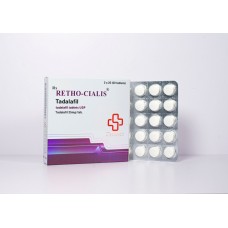


Description of Cialis and its pharmacological properties
Cialis is a well-known medication primarily used for treating erectile dysfunction (ED) in men. Its active ingredient, tadalafil, works by helping to relax the blood vessels in the penis, allowing for increased blood flow in response to sexual stimulation. Unlike other similar medications, Cialis has a distinguished advantage due to its extended duration of action, which can last up to 36 hours. This property grants users the freedom to engage in sexual activity without the need for strict planning. The pharmacological characteristics of Cialis are rooted in its ability to inhibit phosphodiesterase type 5 (PDE5), an enzyme that regulates blood flow in the penis. By blocking PDE5, Cialis enhances the effects of nitric oxide, a natural chemical in the body that promotes the relaxation of smooth muscles and encourages blood flow.
All products in the Cialis category share common pharmacodynamic principles, focusing on enhancing erectile function by improving blood circulation in the genital area. They are generally classified under phosphodiesterase inhibitors, which have been widely studied and deemed effective in clinical settings. Beyond erectile dysfunction, tadalafil— the active component in Cialis— has also been recognized for its use in treating benign prostatic hyperplasia (BPH), as it can alleviate symptoms associated with an enlarged prostate. This dual efficacy makes Cialis a unique choice for many individuals seeking a solution to both ED and related urological conditions.
What to consider when using products from this category
When considering the use of Cialis, several important aspects must be kept in mind to ensure both effectiveness and safety. It is crucial to recognize that Cialis is not a sexual stimulant; rather, it aids in the physiological processes necessary for achieving an erection when combined with sexual arousal. Therefore, individuals should ensure they are adequately stimulated for the medication to take effect.
Moreover, general precautions include understanding potential interactions with other medications. Cialis should not be taken alongside nitrates, commonly prescribed for chest pain, as this combination can lead to severe drops in blood pressure. Additionally, individuals with cardiovascular disorders should consult with a healthcare provider before initiating treatment. Age is also a factor; those over 65 years old may experience a heightened sensitivity to the effects of tadalafil. It is advisable to start at lower doses to assess tolerance and response.
Indications for the use of Cialis
Cialis is indicated primarily for the treatment of erectile dysfunction, which can arise from various causes, including psychological, physiological, or lifestyle factors. Individuals may choose Cialis when they seek a long-lasting option that offers flexibility in intimacy. The medication's effectiveness in relieving symptoms of benign prostatic hyperplasia (BPH) represents an additional benefit that distinguishes it from other medications in the ED treatment category.
Users might prefer Cialis over other phosphodiesterase inhibitors due to its rapid onset and prolonged action. Those who may have experienced adverse effects from other ED treatments may also find Cialis a suitable alternative due to its specific pharmacological properties. Furthermore, patients looking for a therapy that also addresses issues related to an enlarged prostate can find Cialis systemically beneficial, addressing both erectile function and urinary symptoms concurrently.
Risks and recommendations for safe use
While Cialis can be beneficial for many, certain risks and considerations should be kept in mind. Potential side effects can range from mild to moderate, including headaches, facial flushing, indigestion, and muscle aches. Long-term use should be monitored, particularly in individuals with pre-existing health conditions. It is essential to consult a healthcare professional before beginning treatment to ensure that Cialis is appropriate for one's individual health profile.
- Consult a physician prior to using Cialis, especially for those with cardiovascular diseases.
- Be aware that Cialis does not protect against sexually transmitted infections.
- Monitor for any unusual side effects or signs of an allergic reaction.
- Do not consume alcohol excessively, as this can interfere with the medication's effectiveness.
- Recognize that women and children should not use Cialis or similar medications due to insufficient safety evidence.
Potential contraindications include individuals with a history of stroke, severe liver or kidney disorders, and those taking certain medications. The importance of discussing one's full medical history with a doctor cannot be overstated, as this can significantly influence both the safety and effectiveness of Cialis.
Buy Cialis in the USA from an anabolic store
For individuals looking to purchase Cialis in the USA, it is vital to choose a reputable source. Anabolic stores or online pharmacies that are certified and regulated can provide access to Cialis. Before making a purchase, it is advisable to research the vendor and ensure they require a prescription, which further assures the safety and authenticity of the medication.
When beginning use, individuals should adhere to the recommended dosage as prescribed by a healthcare professional. Starting at a lower dose and gradually adjusting based on response under medical supervision can help establish optimal therapeutic outcomes. It is also beneficial to consult with a healthcare provider to navigate the various options available within the Cialis category, ensuring a product aligns with personal health needs and lifestyle choices.
In conclusion, understanding the pharmacological properties, indications, safe usage practices, and how to buy Cialis responsibly can empower individuals to make informed decisions concerning their sexual health and overall well-being.