
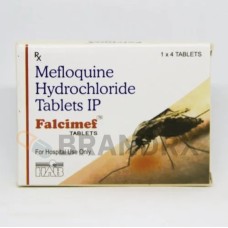
Artemether: An Overview of the Category and Its Main Purpose
Artemether is a crucial pharmaceutical compound primarily used in the treatment of malaria, specifically the strains resistant to other treatments. Derived from the sweet wormwood plant, Artemisia annua, Artemether is part of a class of medications known as artemisinin derivatives. These compounds work by targeting the malaria parasite directly, disrupting its lifecycle and preventing the disease from progressing in the host. The use of Artemether has been instrumental in public health, especially in areas where malaria is endemic, facilitating rapid and effective relief from the symptoms associated with the disease.
As a medicinal compound, Artemether is often formulated as part of a combination therapy, which enhances its efficacy and helps to prevent the emergence of drug resistance. The global health community recognizes its significance, and it is included in the World Health Organization's list of essential medicines due to its proven effectiveness against severe and complicated malaria. Understanding Artemether as a category allows healthcare providers and patients to appreciate its place in the broader arsenal against malaria and the importance of using it appropriately within established guidelines.
Typical Users and Contexts for Artemether Applications
The primary users of Artemether are individuals diagnosed with malaria, particularly in regions where the disease is prevalent or where drug resistance has been observed. This includes travelers returning from endemic areas, residents of high-risk zones, and vulnerable populations such as children and pregnant women who are particularly susceptible to the severe effects of malaria.
Healthcare professionals, including doctors and pharmacists, play a critical role in determining the appropriate use of Artemether. They assess patient histories, the severity of the infection, and potential drug interactions to create tailored treatment plans. In community health settings, Artemether is often dispensed through clinics and hospitals equipped to handle malaria cases, ensuring timely administration to those in need.
In educational and awarenes campaigns, health organizations frequently highlight the importance of recognizing malaria symptoms early and the effective use of Artemether to mitigate the impact of the disease. The context of use extends to global health initiatives aimed at controlling malaria transmission and improving access to life-saving treatments, thereby contributing to improved health outcomes in affected populations.
Strengths and Distinguishing Characteristics of Artemether
Artemether stands out due to several strengths that enhance its role compared to other antimalarial treatments. One of its primary advantages is its rapid onset of action; Artemether is absorbed quickly into the bloodstream, allowing for swift alleviation of malaria symptoms and a reduction in parasite load. This speed is critical in treating severe cases or in emergency situations where time is of the essence.
Moreover, Artemether boasts a strong safety profile when used as directed, making it suitable for use in various patient demographics, including children and pregnant women, with appropriate medical supervision. Its effectiveness against multidrug-resistant strains of the malaria parasite underscores its importance as a first-line treatment option in many clinical settings.
Another distinguishing feature of Artemether is its formulation in various dosage forms, including oral tablets and injectable solutions. This versatility allows healthcare providers to tailor treatment based on individual patient needs and the severity of the malaria infection. Additionally, combination therapies incorporating Artemether have proven to be more effective than monotherapy, minimizing the risk of resistance development and ensuring sustained efficacy against malaria.
Key Benefits of Artemether
When considering the use of Artemether, it is essential to recognize its numerous advantages. Below is a list of key benefits associated with this pharmaceutical compound:
- Rapid relief from malaria symptoms, allowing for quick recovery and reduction in disease transmission.
- High efficacy against chloroquine-resistant malaria strains, making it a vital tool in areas facing treatment challenges.
- A strong safety profile with manageable side effects when administered correctly.
- Compatibility with other medications in combination therapies, enhancing overall treatment efficacy.
- Availability in various forms, which caters to different patient needs and circumstances.
These benefits make Artemether a critical component in the fight against malaria, contributing to both individual health outcomes and broader public health goals.
Important Considerations Before Choosing Artemether Products
Before selecting products that contain Artemether, certain critical considerations must be addressed. First, it is vital to confirm the diagnosis of malaria, as the indiscriminate use of Artemether without proper diagnosis can lead to treatment failures and contribute to drug resistance. Patients should undergo thorough medical evaluations to determine the most appropriate treatment options based on the severity of their condition and individual health factors.
Additionally, potential contraindications should be assessed. Patients with known allergies to Artemether or its components should refrain from its use. Furthermore, individuals with existing health conditions, particularly liver or kidney problems, should consult healthcare providers to evaluate the safety and suitability of Artemether in their case. Pregnant or breastfeeding individuals must receive special considerations and guidance from health professionals to understand the risks versus benefits associated with its use.
Overall, a careful and informed approach to selecting Artemether products can maximize the benefits while minimizing the risks, thus ensuring effective management of malaria. By adhering to medical guidelines and engaging healthcare professionals, patients can make informed decisions that contribute to their health and well-being.