

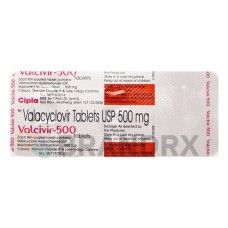

Understanding the Valacyclovir Category: Mechanisms and Key Features
The Valacyclovir category encompasses a range of antiviral medications primarily indicated for the treatment of herpesviruses, including herpes simplex and varicella-zoster virus. This class of medications operates by inhibiting the replication of viral DNA, which prevents the spread of infection and reduces the severity and duration of outbreaks. The active ingredient, Valacyclovir, is a prodrug that converts into Acyclovir once absorbed, enhancing the medication's bioavailability and effectiveness. Users can typically expect a reduction in symptoms such as sores, blisters, and discomfort associated with viral infections. Key features common to this product category include fast action, effective management of acute outbreaks, and a well-documented safety profile when used as directed.
Forms and Types of Valacyclovir Products
Products within the Valacyclovir family are primarily available in tablet form, facilitating easy oral administration. Most formulations come in standard doses, allowing healthcare providers the flexibility to tailor treatments based on the severity of the infection and patient tolerance. Some brands offer formulations with variations in strength, which can benefit those who may require higher doses for severe outbreaks. In addition to the standard tablet, some compounding pharmacies may provide topical forms of Valacyclovir, though oral tablets remain the most widely utilized. The availability of generic versions also enhances accessibility for patients, ensuring that effective antiviral treatment is within reach for many.
Why Choose Valacyclovir over Other Antivirals
Unlike other antiviral products, Valacyclovir is specifically formulated to provide targeted relief from herpes virus infections, offering distinct advantages over medications in different categories. While medications for viral infections like Influenza or HIV focus on general antiviral mechanisms, Valacyclovir is tailored to directly inhibit the replication of herpesviruses. This specialization often leads to quicker recovery times, fewer side effects, and improved adherence to treatment protocols due to its less frequent dosing schedule. Users might consider Valacyclovir for its efficacy in managing recurrent herpes outbreaks or its ability to decrease the risk of transmission during sexual activity. The drug's proven track record in clinical studies further solidifies its position as a first-line option for herpes simplex and varicella zoster infections.
Long-Term Effects and Considerations for Use
Long-term use of Valacyclovir can lead to significant benefits, such as decreased frequency and severity of outbreaks, which many patients find to be a stabilizing factor in their health and lifestyle. However, it is crucial to consider that this category of medications may not be suitable for everyone. Contraindications include those who are pregnant or breastfeeding, as there may be potential risks to the fetus or infant. Additionally, patients with severe kidney impairment or allergies to Acyclovir or Valacyclovir should avoid using this medication. The safe and effective use of Valacyclovir generally entails routine monitoring by healthcare providers to ensure the absence of adverse effects and to evaluate the overall necessity of continued therapy.
Practical Tips for Using Valacyclovir Products
When considering Valacyclovir, it is advisable to consult with a healthcare professional, who can provide personalized guidance based on individual health profiles. Starting treatment early during an outbreak can enhance effectiveness, so be vigilant about recognizing symptoms. Ensure to adhere strictly to prescribed dosages and timings as maintaining consistent medication levels in your system is key to optimal results. Additionally, staying hydrated is important as Valacyclovir can affect kidney function. It’s beneficial to combine the medication with lifestyle adjustments, including stress management techniques and abstaining from sexual activity during active outbreaks to mitigate transmission risks. Lastly, being open about discussing any side effects with your doctor can lead to timely adjustments in your treatment plan, ensuring the best care possible.