

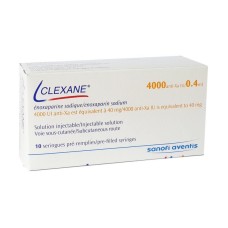
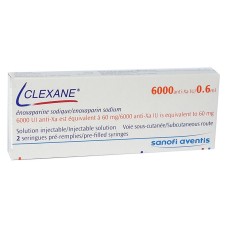
What is Enoxaparin Sodium?
Enoxaparin sodium is a low molecular weight heparin (LMWH) that plays a pivotal role in the prevention and treatment of thromboembolic disorders. It is classified under anticoagulants, primarily aimed at reducing the risk of blood clots and managing conditions such as deep vein thrombosis (DVT) and pulmonary embolism (PE). As an injectable medication, Enoxaparin sodium works by inhibiting specific clotting factors in the blood, thereby enhancing the body's natural mechanisms to prevent clot formation. This product category serves a crucial purpose in healthcare by addressing the critical need for effective blood coagulation management, especially in clinical settings where patients are at increased risk of thrombotic events.
Who Uses Enoxaparin Sodium and Where Is It Applied?
The primary users of Enoxaparin sodium include patients who are at risk of thromboembolic complications due to various medical conditions or surgical procedures. It is commonly prescribed for hospital patients, particularly those undergoing orthopedic surgeries, major abdominal procedures, or those with limited mobility. Additionally, patients suffering from certain chronic diseases, particularly heart failure or cancer, may also benefit from Enoxaparin sodium to prevent the formation of blood clots. However, it is essential to consult a doctor or specialist before using this medication to ensure it is appropriate for individual health conditions.
There are specific contraindications associated with the use of Enoxaparin sodium. It is generally not suitable for pregnant women unless deemed necessary by a healthcare professional, as well as for individuals who have a known hypersensitivity to heparin or any of its derivatives. Patients with active bleeding disorders, such as those with a history of thrombocytopenia or surgical patients with an increased bleeding risk, should also avoid this product category. Before starting treatment, an informed discussion with a healthcare provider is critical to evaluate the benefits and risks involved.
Key Benefits of Enoxaparin Sodium
Enoxaparin sodium offers numerous advantages, particularly for individuals at risk of developing blood clots or those requiring anticoagulation management during medical procedures. The key benefits of using Enoxaparin sodium include:
- Effective prevention and treatment of thromboembolic events such as DVT and PE.
- Lower risk of bleeding complications compared to unfractionated heparin.
- Convenient subcutaneous administration, allowing for ease of use in outpatient settings.
- Quick onset of action and predictable pharmacokinetics, facilitating better management of dosing and efficacy.
- Reduction in the need for frequent monitoring, which streamlines the treatment process.
- May enhance recovery outcomes following major surgeries by minimizing thrombotic risk.
These benefits highlight the essential role of Enoxaparin sodium in both preventive and therapeutic applications, providing significant advantages for patients with varied health needs.
Core Value and Impact of Enoxaparin Sodium
The core value of Enoxaparin sodium lies in its ability to effectively reduce the incidence of potentially life-threatening thromboembolic events while offering a practical and user-friendly administration method. By targeting at-risk populations, this product category not only improves patient outcomes through safer medical procedures but also enhances overall quality of care in various healthcare settings. The reduction in thromboembolic complications translates into shorter recovery times, lower healthcare costs, and, ultimately, improved patient satisfaction. Enoxaparin sodium stands out in the realm of anticoagulation therapy, providing a crucial tool for clinicians dedicated to reducing risks and promoting the health and well-being of their patients.