
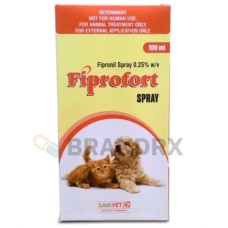
Understanding Fipronil and Its Uses
Fipronil is a widely used pesticide that serves as an effective insecticide, particularly in the fight against pests that impact both agricultural and residential settings. Users typically seek Fipronil for its ability to control insects such as fleas, ticks, cockroaches, and termites. However, common misunderstandings often arise regarding its efficacy, safety, and proper usage. Many users may believe that all pesticides with similar labels provide the same level of effectiveness, not realizing that Fipronil has unique properties that set it apart from other insecticides. This category aims to clarify these misconceptions and help users understand the best practices for utilizing Fipronil in various scenarios.
Internal Mechanism of Fipronil Pesticides
Fipronil operates by disrupting the central nervous systems of insects, leading to paralysis and death. It does this by blocking certain neurotransmitter receptors, which are crucial for an insect's motor control and overall functioning. Understanding how Fipronil works is essential for users who wish to apply it effectively. Key parameters that matter when considering Fipronil include its mode of application, the timing of application, and the targeted pest type. Proper application techniques, as well as adherence to safety instructions and dosage recommendations, play a significant role in maximizing Fipronil's effectiveness. Additionally, users should be aware of environmental conditions, as they can affect the compound's performance and longevity in the field.
Comparing Fipronil to Related Insecticides
Fipronil exists within a broader category of insecticides that include pyrethroids and neonicotinoids. While all these substances aim to control pest populations, they operate on different principles and have varying effects on pest species. Pyrethroids, for instance, are derived from chrysanthemum flowers and generally act faster but may break down more quickly in outdoor environments. Neonicotinoids, on the other hand, mimic the effects of nicotine and can offer prolonged pest control but may have a broader ecological impact. Understanding these principles is crucial for users attempting to make informed decisions about pest control strategies. Each category has its strengths and weaknesses, which may influence a user's choice based on specific pest challenges and environmental conditions.
Safety Concerns and Professional Guidance
Despite its effectiveness, Fipronil is not without limitations. Users must be aware of potential contraindications, especially when considering the safety of pets, wildlife, and beneficial insects. It is recommended that people consult with licensed pest control professionals to ensure proper application and to account for any health considerations. The use of Fipronil may be restricted in certain areas, and misuse can lead to unintended consequences, including environmental harm or potential health risks. Therefore, professional guidance is invaluable for determining the appropriate scenarios for its use, navigating regulations, and ensuring a balanced approach to pest management.
Exploring Fipronil and Related Information
Navigating the category of Fipronil can provide valuable insights and resources for both laypersons and professionals in the field. To explore this category page effectively, users should look into various educational articles, application techniques, and safety guidelines available. Detailed product descriptions, case studies, and comparative analyses can also enhance understanding and enable users to make well-informed decisions. Filters and search functionalities can further assist in locating specific information, such as dosage recommendations, types of infestations treated, and user testimonials. By engaging thoroughly with the resources provided in this category, individuals can harness the full potential of Fipronil while ensuring safety and effectiveness in pest management efforts.