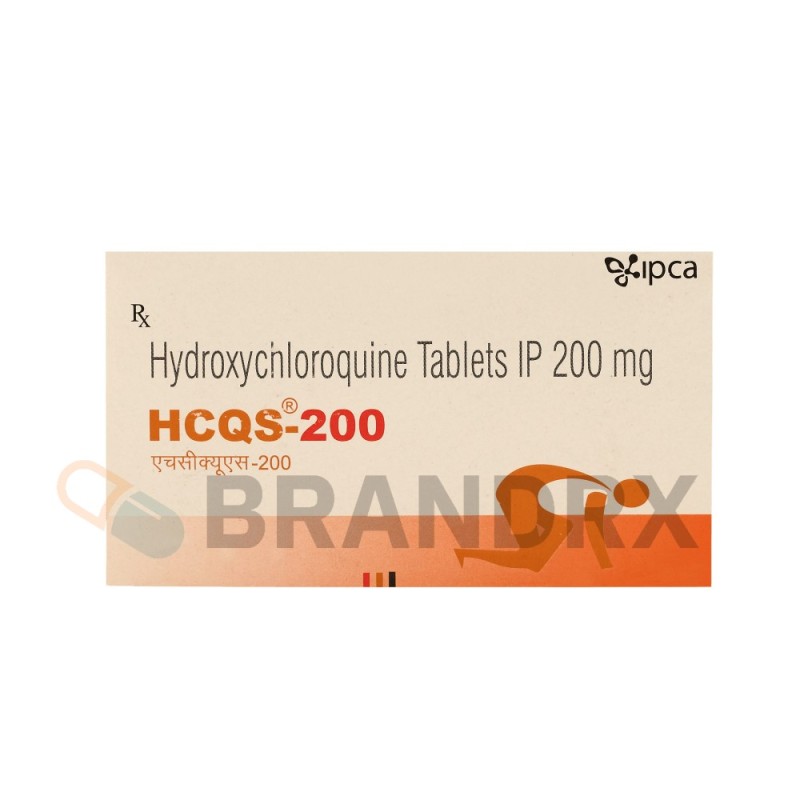
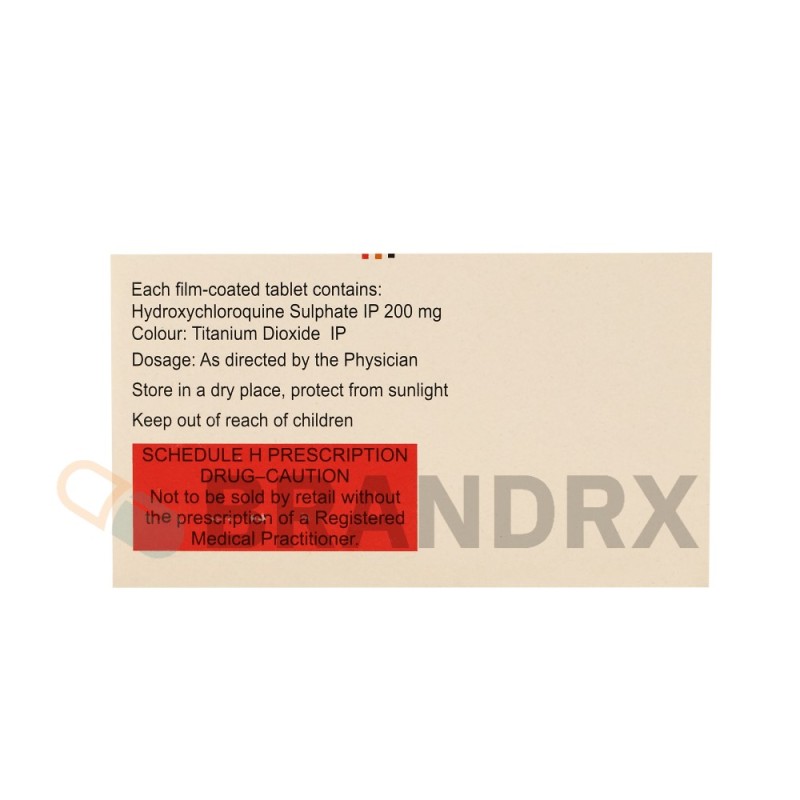
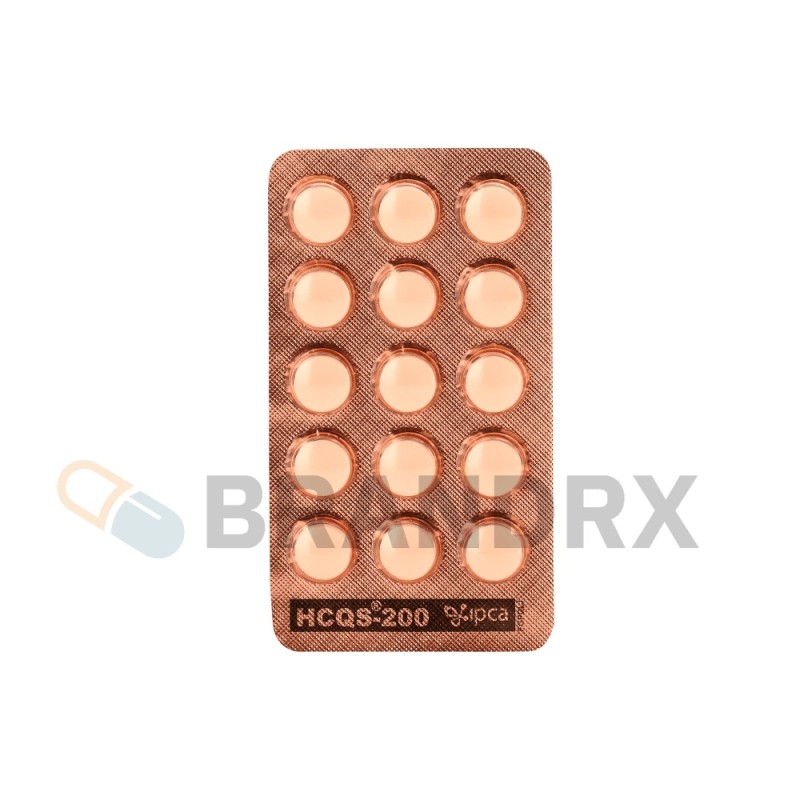
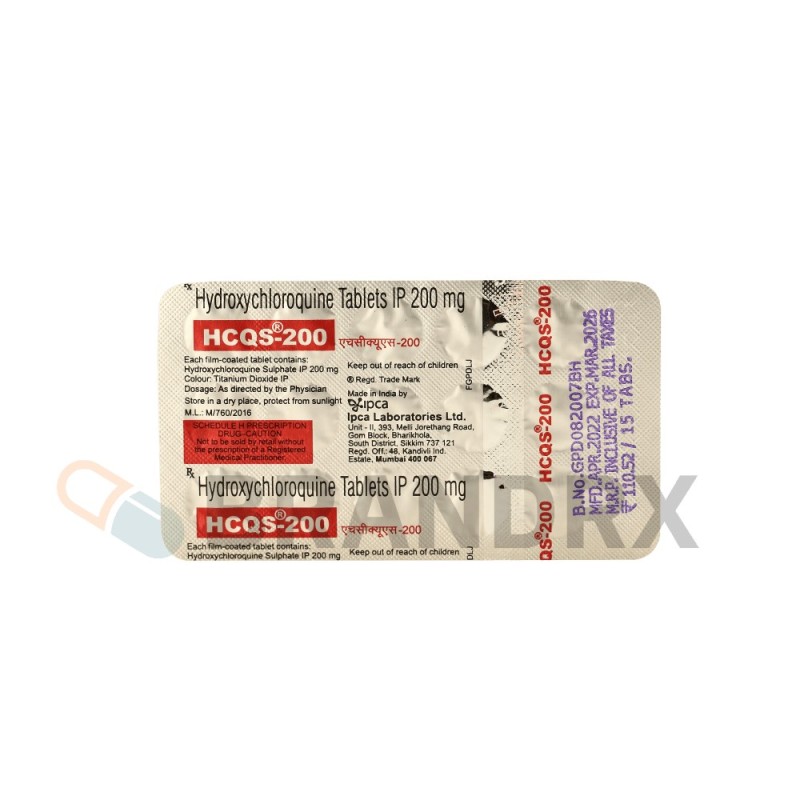
Define HCQS 200 mg Ipca Laboratories Ltd and Explain Its General Purpose
HCQS 200 mg Ipca Laboratories Ltd is a pharmaceutical formulation of hydroxychloroquine sulfate, a medication primarily recognized for its anti-inflammatory and antiviral properties. This drug is most commonly associated with the treatment and prevention of malaria, as well as the management of autoimmune diseases such as rheumatoid arthritis and lupus erythematosus. By influencing the immune system's activity, HCQS helps reduce inflammation and further complications associated with these conditions.
The effectiveness of hydroxychloroquine in managing chronic autoimmune disorders stems from its ability to inhibit the stimulation of immune cells, subsequently resulting in reduced symptoms, such as pain and fatigue. It is important to note that while HCQS 200 mg inhibits the immune response, it does not directly cure the underlying disease itself; rather, it helps manage the symptoms and overall quality of life for patients. The formulation from Ipca Laboratories Ltd adheres to strict manufacturing and quality control standards, ensuring its reliability and safety for consumption.
Describe How HCQS 200 mg Ipca Laboratories Ltd Fits into Broader Treatment Strategies or Usage Approaches
HCQS 200 mg Ipca Laboratories Ltd is often integrated into multidimensional treatment plans, emphasizing its role not as a standalone therapy but as part of a comprehensive approach. Patients dealing with autoimmune diseases frequently require a combination of medications and lifestyle changes to effectively manage their conditions. This holistic treatment strategy may include corticosteroids, other immunosuppressive agents, and non-pharmacologic interventions such as physical therapy and dietary adjustments.
In the case of malaria, HCQS is frequently used in conjunction with other antimalarial medications to enhance efficacy and combat drug resistance. Furthermore, clinical recommendations often suggest routine monitoring and adjustment of dosages based on a patient's response to therapy and specific health needs. Consequently, healthcare providers must regularly assess the treatment outcomes to optimize the effectiveness of HCQS 200 mg as part of a broader patient-centered care plan.
Explain the Advantages Users Typically Expect from This Preparation
- Effective Symptom Management: Users often experience significant relief from symptoms associated with autoimmune diseases, including reduced joint pain and inflammation.
- Antimalarial Properties: HCQS serves as a vital component in malaria prophylaxis and treatment, especially in areas with chloroquine-resistant strains.
- Well-Established Safety Profile: Hydroxychloroquine has been used for decades, offering a wealth of clinical experience regarding its safety and potential adverse effects.
- Convenient Dosage Forms: The 200 mg tablet is easy to administer and incorporate into daily routines, contributing to better adherence to prescribed therapies.
- Potential Antiviral Effects: Some studies indicate hydroxychloroquine may exhibit antiviral properties, although further research is needed to confirm its effectiveness against specific viral infections.
Discuss Risks, Precautions, and Contraindications for Use of This Preparation
Despite the advantages of HCQS 200 mg, it is critical for users to understand the potential risks and precautions associated with its use. Common side effects may include gastrointestinal disturbances, headaches, and skin rashes. In rare instances, more severe complications can arise, such as retinal damage leading to vision problems. Therefore, patients using HCQS for extended periods are generally advised to undergo regular eye examinations.
Patients with pre-existing conditions, such as heart rhythm abnormalities, liver disease, or specific eye disorders, should use HCQS with caution. Additionally, hydroxychloroquine is not recommended for individuals who are allergic to it or other similar medications. Pregnant or breastfeeding patients should also consult healthcare providers to evaluate the risks and benefits effectively. Proper dosage adjustment may be necessary for individuals with kidney impairment, further emphasizing the importance of medical oversight in HCQS therapy.
Conclude with Guidance on How Users Should Approach Understanding and Using HCQS 200 mg Ipca Laboratories Ltd Responsibly
In conclusion, while HCQS 200 mg Ipca Laboratories Ltd may provide significant benefits for those dealing with autoimmune disorders or malaria, its responsible use demands a thorough understanding of the medication's effects, risks, and appropriate usage guidelines. Patients are encouraged to engage in open dialogues with healthcare providers to clarify treatment strategies, address specific health concerns, and modify therapy based on individual responses. Regular follow-up appointments are also vital to ensure optimal outcomes and to adapt treatment plans as needed.
Furthermore, users should not self-medicate and must adhere strictly to prescribed dosages to minimize adverse effects. Combining HCQS with a healthy lifestyle, including balanced nutrition and physical activity, can also enhance the overall therapeutic impact. By fostering a collaborative approach between patients and healthcare professionals, HCQS 200 mg can effectively serve as a valuable tool in managing both autoimmune diseases and malaria, contributing to improved quality of life and better health outcomes.