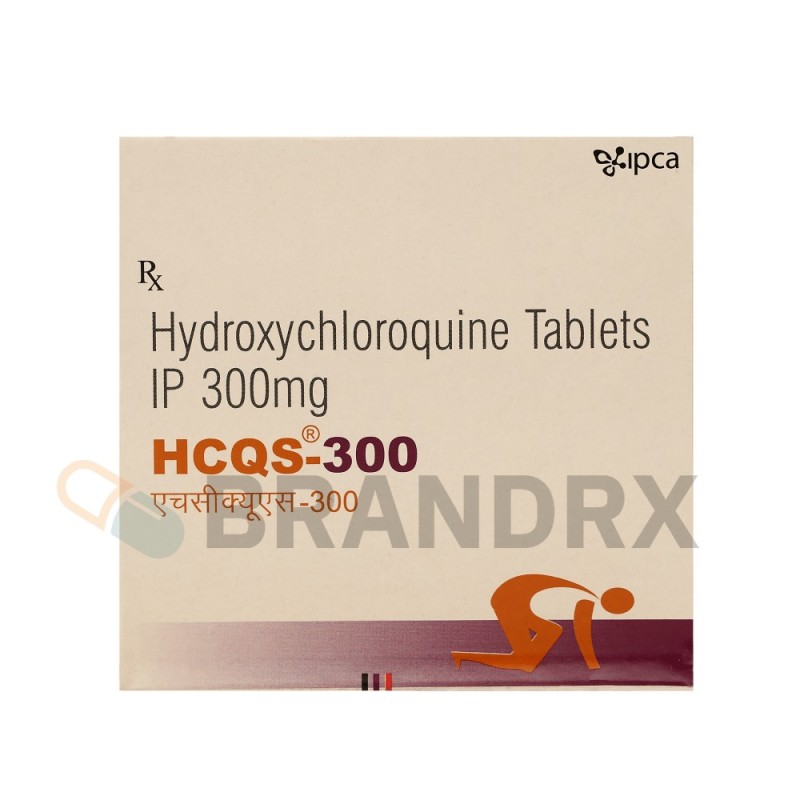
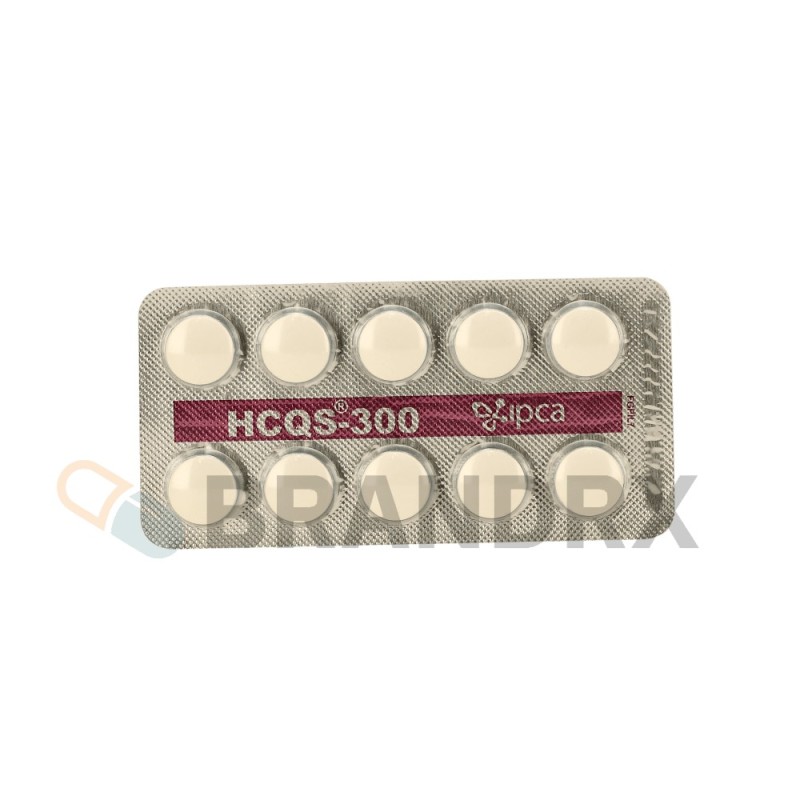
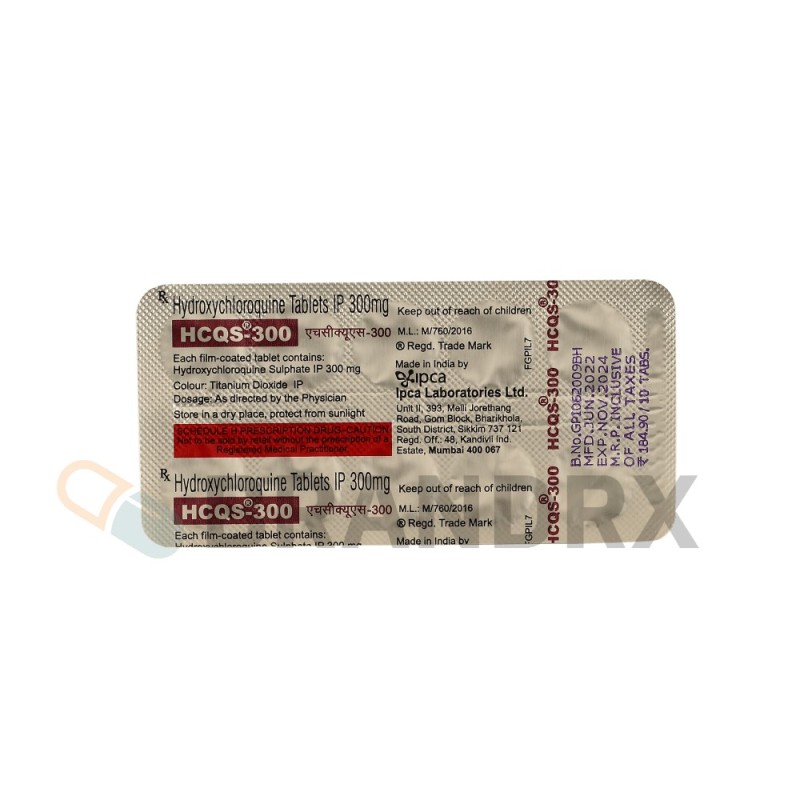
Define HCQS 300 mg Ipca Laboratories Ltd and explain its general purpose
HCQS 300 mg Ipca Laboratories Ltd is an antimalarial medication primarily composed of Hydroxychloroquine Sulfate. This pharmaceutical product is manufactured by Ipca Laboratories, a prominent name in the realm of healthcare and pharmaceuticals. HCQS is largely recognized for its role in treating malaria, a mosquito-borne infectious disease caused by parasitic protozoa of the Plasmodium type. In addition to its antimalarial properties, Hydroxychloroquine is also employed in managing autoimmune conditions, including rheumatoid arthritis and systemic lupus erythematosus. Thus, HCQS 300 mg serves a dual purpose in both infectious disease and chronic inflammatory scenarios, making it a versatile asset in therapeutic regimens.
Describe how HCQS 300 mg Ipca Laboratories Ltd fits into broader treatment strategies or usage approaches
In terms of its application within broader treatment strategies, HCQS 300 mg Ipca Laboratories Ltd embodies a multi-faceted approach. The medication is particularly significant in the treatment of chronic autoimmune diseases like rheumatoid arthritis and lupus, where it contributes to the lowering of inflammation and modulation of the immune system's response. Furthermore, its use as an antimalarial agent aligns with public health strategies aiming at controlling and eradicating malaria in endemic regions. In managing autoimmune conditions, HCQS can be integrated into a broader treatment strategy that may include corticosteroids, nonsteroidal anti-inflammatory drugs (NSAIDs), and other immunosuppressive agents. This interlinkage allows for tailored treatment plans that address specific patient needs while potentially minimizing overall medication load and side effects.
Explain the advantages users typically expect from this preparation
When considering HCQS 300 mg Ipca Laboratories Ltd, users often anticipate a range of advantages associated with its therapeutic applications. The key advantages generally include:
- Effective management of malaria: HCQS is recognized for its efficacy in preventing and treating malaria, particularly in areas where the disease is prevalent.
- Anti-inflammatory effects: The drug helps reduce inflammation, making it valuable in treating conditions such as rheumatoid arthritis and lupus.
- Long-term safety: Hydroxychloroquine has a long history of use, and when prescribed correctly, it is considered safe for long-term use in managing chronic diseases.
- Minimal side effects: Many users report fewer side effects with HCQS compared to other more aggressive immunosuppressive agents.
- Cost-effectiveness: As a generic medication, HCQS is often more affordable than brand-name therapeutic alternatives, enhancing accessibility for patients.
These advantages contribute to the medication's popularity among healthcare providers and patients alike, reinforcing its status as a vital tool in both infectious and autoimmune treatment protocols.
Discuss risks, precautions, and contraindications for use of this preparation
While HCQS 300 mg Ipca Laboratories Ltd boasts several therapeutic advantages, it is essential for users to be aware of the associated risks, precautions, and contraindications. Notable risks include potential side effects such as gastrointestinal disturbances, skin reactions, and rare but serious retinopathy, which can impact vision. Patients with pre-existing conditions, such as those with a history of hypersensitivity to Hydroxychloroquine, pre-existing retinal or vision problems, or certain cardiac conditions, should approach the use of this medication with caution. Recommended precautions include routine eye examinations for long-term users to monitor for signs of retinal damage. Pregnant or breastfeeding individuals should consult their healthcare provider as well, as the safety of Hydroxychloroquine in these populations is a subject of ongoing research.
Understanding these risks and adhering to prescribed guidelines is vital in ensuring the safe and effective use of HCQS 300 mg, ultimately maximizing therapeutic outcomes while minimizing potential adverse effects.
Conclude with guidance on how users should approach understanding and using HCQS 300 mg Ipca Laboratories Ltd responsibly
In closing, responsible use of HCQS 300 mg Ipca Laboratories Ltd hinges on a comprehensive understanding of the medication, its applications, and potential risks. Patients should engage in open discussions with their healthcare provider regarding their medical history, current medications, and any concerns they may have. This dialogue is critical in developing an individualized treatment plan that ensures both efficacy and safety. Regular follow-up appointments are vital to monitor the effectiveness of the drug and observe any emerging side effects. Moreover, patients are encouraged to stay informed about the developments in the scientific understanding of Hydroxychloroquine, particularly regarding its efficacy against various diseases and its role in contemporary treatment paradigms. By approaching the use of HCQS with responsibility and diligence, users can optimize their health outcomes and contribute to a broader understanding of this medication's place in modern medicine.