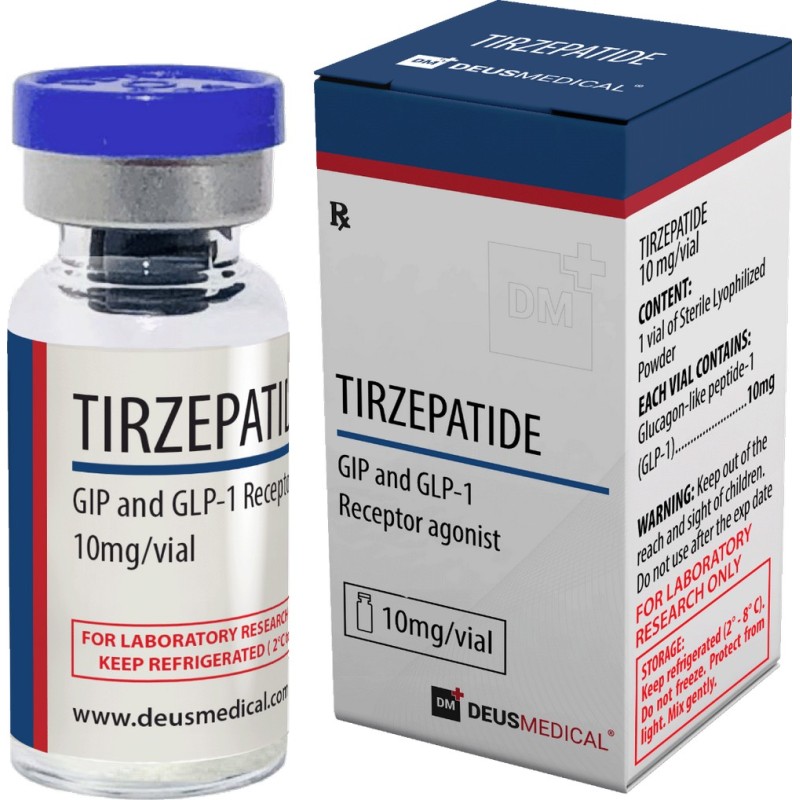
Define PEPTIDES Tirzepatide (Tirzepatide GIP and GLP-1 Receptor Agonist) IN VIALS Deus Medical and explain its general purpose.
PEPTIDES Tirzepatide (Tirzepatide GIP and GLP-1 Receptor Agonist) IN VIALS Deus Medical is a groundbreaking pharmaceutical formulation designed primarily to treat type 2 diabetes and potentially aid in obesity management. This innovative compound works by mimicking the action of two incretin hormones, glucagon-like peptide-1 (GLP-1) and glucose-dependent insulinotropic polypeptide (GIP). By activating GLP-1 and GIP receptors, Tirzepatide enhances insulin secretion in response to food intake, decreases glucagon levels, and reduces appetite, contributing to improved glycemic control and weight loss in affected individuals.
This formulation comes in vials, allowing for precise dosing and ease of administration, particularly beneficial for patients who require consistent management of their condition. As healthcare continues to evolve with a focus on personalized medicine, PEPTIDES Tirzepatide represents a promising adjunct or alternative to traditional diabetes treatments, marking a significant step in pharmacotherapy aimed at enhancing patient outcomes.
Describe how PEPTIDES Tirzepatide (Tirzepatide GIP and GLP-1 Receptor Agonist) IN VIALS Deus Medical fits into broader treatment strategies or usage approaches.
Incorporating PEPTIDES Tirzepatide into treatment regimens aligns with a patient-centric approach that seeks to address the complex nature of type 2 diabetes and related metabolic conditions. Traditionally, diabetes management has relied on lifestyle modifications and drugs such as metformin or insulin therapy. However, Tirzepatide offers a novel mechanism that can complement these strategies.
Health professionals often use Tirzepatide in conjunction with dietary changes and exercise to achieve optimal results. Its multifaceted action not only targets weight reduction but also plays a crucial role in lowering blood sugar levels, providing a dual benefit that enhances overall treatment efficacy. Furthermore, patients unable to achieve glycemic control with other medications may be considered for Tirzepatide therapy, making it an integral part of a comprehensive diabetes management program.
A growing body of clinical evidence suggests that integrating Tirzepatide into diabetes care can significantly impact HbA1c levels and weight reduction. This positions it as a valuable resource for clinicians looking to tailor treatment plans for individuals struggling with similar comorbidities, facilitating improved outcomes and quality of life.
Explain the advantages users typically expect from this preparation.
Tirzepatide has gained attention for multiple advantages that resonate well with patients and healthcare providers alike. Users typically expect the following advantages:
- Enhanced Glycemic Control: Tirzepatide's ability to stimulate insulin secretion and inhibit glucagon release leads to significant reductions in blood glucose levels, helping patients maintain better glycemic control.
- Weight Loss Benefits: Many individuals experience notable weight loss, which can alleviate obesity-related health issues and improve overall well-being.
- Improved Cardiovascular Risk Factors: Evidence suggests that Tirzepatide may positively impact cardiovascular health, lowering the risk of events related to heart disease.
- Convenient Administration: Available in vials, Tirzepatide allows users to manage their dosing accurately and administer the medication comfortably.
- Potential Reduction in Complications: Regular use of Tirzepatide may lower the risk of diabetes-related complications such as neuropathy and retinopathy by maintaining more stable glucose levels.
Discuss risks, precautions, and contraindications for use of this preparation.
While the benefits of PEPTIDES Tirzepatide (Tirzepatide GIP and GLP-1 Receptor Agonist) IN VIALS Deus Medical are substantial, it is important to consider potential risks and precautions associated with its use. Patients must be advised of the following:
The most common side effects include gastrointestinal issues such as nausea, vomiting, diarrhea, and constipation. These symptoms often diminish over time but may still lead to discomfort during initial phases of treatment.
Additionally, there exists a risk of developing pancreatitis, a serious condition that can result from GLP-1 receptor agonist therapy. Patients should monitor for symptoms of abdominal pain and report any unusual experiences to their healthcare provider immediately.
Contraindications include a history of hypersensitivity to Tirzepatide or any of its components. Furthermore, individuals with a personal or family history of medullary thyroid carcinoma or multiple endocrine neoplasia syndrome type 2 are generally advised against using this medication due to increased risk factors associated with these conditions. Patients with severe renal impairment should also approach this treatment with caution.
Regular follow-up and monitoring are essential for patients on Tirzepatide to promptly address any adverse reactions and assess overall treatment efficacy.
Conclude with guidance on how users should approach understanding and using PEPTIDES Tirzepatide (Tirzepatide GIP and GLP-1 Receptor Agonist) IN VIALS Deus Medical responsibly.
To fully benefit from PEPTIDES Tirzepatide (Tirzepatide GIP and GLP-1 Receptor Agonist) IN VIALS Deus Medical, users should approach its usage responsibly and informed. Engaging in an open dialogue with healthcare providers is vital to understand the treatment's potential and limitations thoroughly.
Users must adhere to prescribed dosing instructions and maintain regular check-ups to monitor their progress and address any emerging concerns. Education on lifestyle modifications—such as adhering to a balanced diet and engaging in physical activity—should not be overlooked, as these factors significantly enhance the medication's effectiveness.
Furthermore, being mindful of potential side effects and contraindications will empower users to act preemptively in case of adverse reactions. This proactive approach not only enhances safety but also fosters a better therapeutic relationship between the patient and healthcare provider. Ultimately, an informed and responsible approach to using Tirzepatide can lead to improved health outcomes and a better quality of life for patients combating the challenges of type 2 diabetes and obesity.